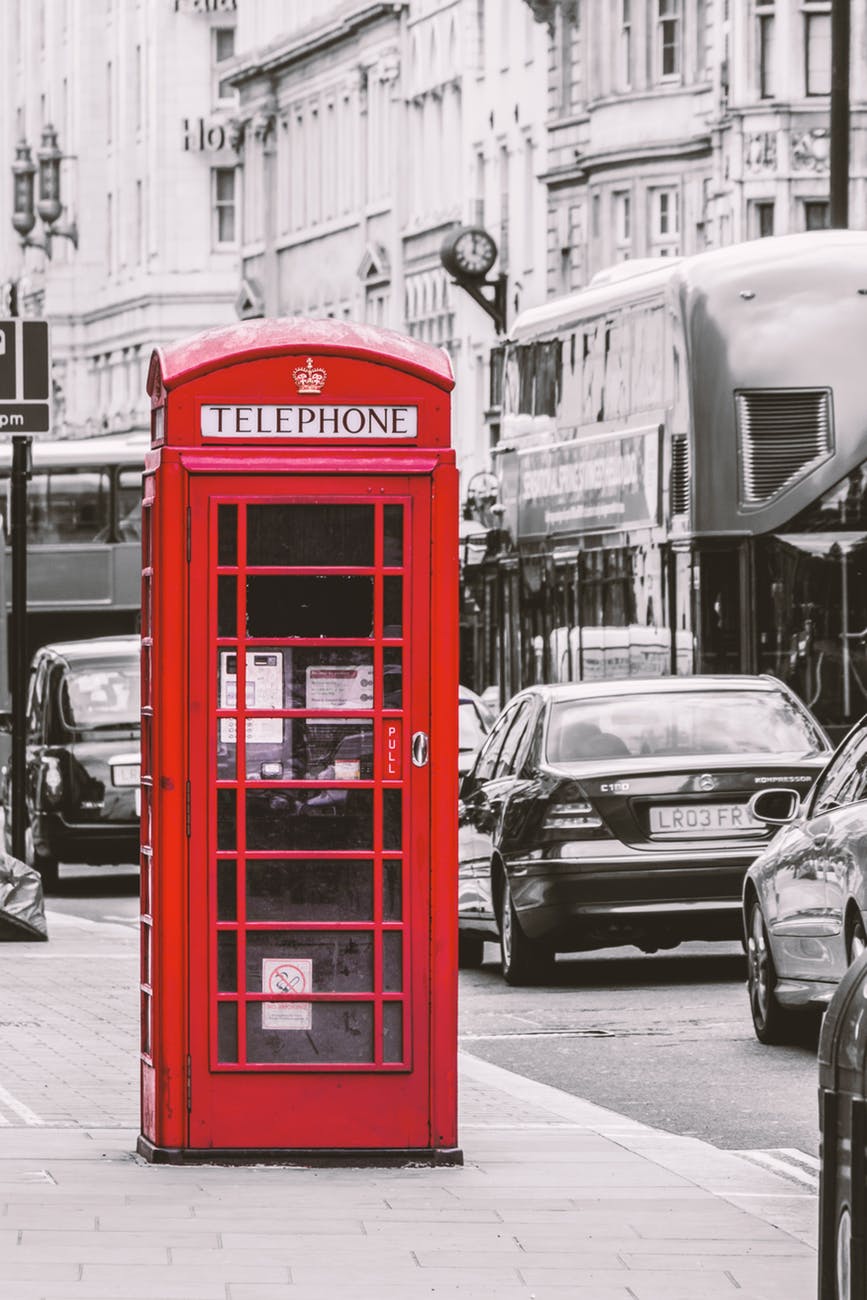
Hear the dozen tongues that trip Around the top of ev’ry bus – They’re London’s latest membership, As once the immigrants were us. Not whence we came, but chose to dwell Is what defines our each success – And though we are our past as well, It comes to matter less and less. We’re changing daily, ev’ryhow, As our subconscious makes its choice – So we belong to London now, It’s in our eyes and in our voice.
Un·in·ter·es·ted – so dictionaries claim Has meaning specific, restricted by rules; Dis·in·ter·es·ted – it now means the same To ev’ryday users of linguistic tools. So Dis has migrated to Un’s patch of speak; Is language more poverished ? Meaning dis-hanced ? Nat’ral selection defavours the weak, But look how im·par·tial is grabbing its chance.
Little Miss Schneiders has always loved spiders: From miniscule monies to long-leggèd striders, From purse-webs to orb-webs, to nursery sheet-webs, From cobbled-up cobwebs to fussily-neat webs. With eight legs and eight eyes (unless they have six eyes) And just the right size to pose no sort of threat. She loves all the spiders, does Little Miss Schneiders, And thinks that tarantulas make a fine pet – Who needs a red setter when eight legs are better ? (Her parent won’t let her, but she’s hopeful yet.)
Little Miss Schneiders is smitten with spiders, From burrowing wolves to ballooners and gliders. But best of all, surely, is knowing how Britain’s Are pussies – as cute and as gentle as kittens. Imagine Australia ! What lurks inside her ? There’s trapdoor and funnelweb, huntsman and redback ! But not for Miss Schneiders, who’s safe to love spiders – For all of her widows are false, and not black.
Ev’ry September sees Little Miss Schneiders Go searching the skirting and combing the coving – For this is the season when spiders go roving, The scent-spinning ladies and amorous lads, All looking to hook-up as mammas and dads. From bath-tub and cellar to guinea-pig hutch, And under the pelmets there’s eggs by the clutch. They dance on the walls and they sprint ’cross the rugs For eight gorgeous eyes and for eight-leggèd hugs.
Little Miss Schneiders has always loved spiders – They’re bigger than beetles and faster than slugs !
Bid goodbye to ‘whom’ – her days are numbered. She falls out of our usage, and she goes the way of ‘thee’ and ‘thou’. And slowly shall our speech be disencumbered. (It’s down to our subconscious, really, what we do and don’t say now.) It’s not a case of messier or purer, It’s more a case of slowly just forgetting her and losing her. I don’t believe our language ends up poorer, For if we had a use for her then surely we’d be using her.
So let us bid goodbye to ‘whom’, She softly slips away to make some room for ‘who’ instead. He makes his meaning just as well – So sorry, pedants, but it’s time to tell you ‘whom’ is dead. He comes to fill her role, as he Has done for many years informally, and kept his thread. He’s coming – look ! Our future syntax bursting free – So do you see whom I see ?, (as is never ever said).
The rain returns Like we know it will, Like we know it must. It’s only rain – The sky shall spill To wash the dust. So rain returns, And gutters rill, And railings rust – But thanks to rain The wheat-heads fill, The green shoots thrust. The rain returns – It cycles still, On this we trust.
One hour per week, that’s all they give us – One hour for Shadows & Beatles & Stones. Just take what we’re given and don’t make a fuss Of the hours and hours of classics and drones. But lo ! Here come the free-marketeers, With long hair and old spice and fresh new ideas ! And the great ship of state is under attack, She’s running aground and unable to tack – Her deck-chair arranging Is only estranging – The times are a-changing and cannot change back.
And into this fray comes the Gentleman Comrade – What can he tell us to settle the storm ? Sharp as a cutlass and slick as pomade, And surely he favours free speech and reform ? But lo ! It turns out that the new guard are blackguards Their postmen are flatfoots, their viscount are braggarts. The great ship of state is a quivering wreck, With us in the galleys and them up on deck. But the Spring tide is swelling, The crew is rebelling – The white heat you’re selling can’t keep us in check.
So who is the cutthroat and who is the tar ? We’re hated by Churchill and hated by Marx. We’re strung from the yardarm and lashed to the spar, The system is rigged and we’re thrown to the sharks. But lo ! The victory’s ours in the end, And even these turncoats will learn how to bend. The great ship of state has now squandered her rum, So lay off the fiddle and bang a new drum. A hard rain is falling The future is calling You’re only forestalling the booty to come.
I wrote this shortly after Tony Benn’s passing, and was reminded how BBC Radio 1 only came in existence due to his inability to shut down the (legal) pirate stations. Such mixed legacies we leave behind.
Buckled-up backbones and crippled-up lungs, Slag-covered faces and slag-covered tongues, A long social ladder with negative rungs – Who’d want to be a miner ?
The pit-pony sappers and donkey-work crews, Collapses, explosions, and cancerous ooze, Loyally coughing up union dues – Who’d want to be a miner ?
Better to sweat in a mill or a diner, Why, even the farmhands live finer !
Who wants to trudge out for an hour each way, For a pitch-black and unpaid damn hour each way – Well, maybe for Orwell, but hardly today, For much has got better since then –
There’s gadgets that monitor gases, you know, There’s baths at the pit-head, there’s lights down below, And children were banished a lifetime ago. So much has got better since then.
Of course, I’m just an outsider, So what can I say ? And yes, I see all of your pride In your hard-digging day – But is this your hopes for your kids When it’s their turn to play ? From Maerdy to Maltby, from Pittsburgh to Perth – The sweatshops of Hell in the bowels of the earth.
Much has got better, but much is the same – It’s ev’ry bit deadly and harsh as they claim, And given the choice, who would stay in this game ? Who’d want to be a miner ?
They’re breaking their backs as they’re earning their brass, And working the hardest of all working class, To lose out to the North Sea and natural gas. Who’d want to be a miner ?
Ton after ton till your body is done, And when will you next see the sun ?
Jet-black the spade-men – yet shining, their eyes, From the guts of the planet they’re grubbing their prize, In filthy conditions and filthier skies, Let’s bring them back into the light.
They’re digging-up carbon from safe in its berth, They’re warming our hearths as they’re warming our earth, They don’t need to kill us to show us their worth. Let’s bring them back into the light.
Of course, I’m just an outsider, So what do I know ? And yes, I see all of the pride That your town has to show – And were all the pits to close down, Well then, where would it go ? For deep underground there lies captured your soul, With nothing left topside ’cept bleakness and dole.
I wrote this a few days after Margaret Thatcher died. As one of the first politicians to take climate change seriously, can we imagine her destruction of the UK coal industry was all to save the planet – or a cynical piece of union-busting ?, particularly when it resulted in having to import coal from abroad to keep the lights on.
The knockers of the title were spirits in the mines who would knock the walls ominously just before a cave-in.
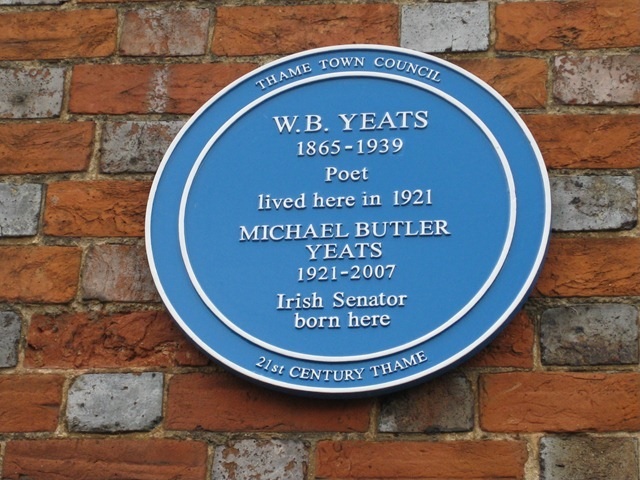
“Sex and death are the only things that can interest a serious mind.”
– William Yeats
Expunge from mind your blue-remembered hills, Put out your tyger tyger burning bright, Dig up your host of golden daffodils, And walk no more in beauty like the night. Don’t take the golden road to Samarkand, Or raise a lamp beside a golden door, Don’t meet with trav’lers from an antique land, Or laughing fellow-rovers anymore ! Ignore the stately pleasure-dome, Forget the lays of ancient Rome, Don’t hear the steeple peeling its half-chime. No Raven or ascending Lark, No Jumblies or the hunted Snark, In rose-red cities half as old as time. Don’t fill the unforgiving minute With a nightingale or linnet, Hiawatha or Macavity. And wish not cloths of Heaven, Nor for Player Queens or Seven-Woods, And do not rise and go to Innisfree.
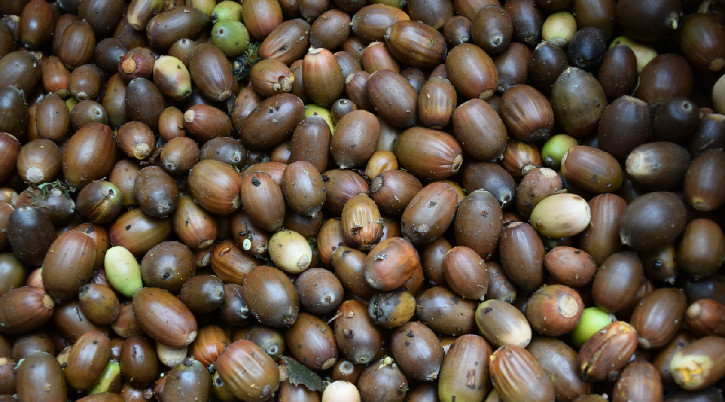
Acorns crunch beneath my boots – There’s far too many for the looting squirrels, howe’er keen. Are these too green ? Are these too brown ? A breeze shakes down a hail of fruits – I pick a fresh one up, and pop it from its birthing cup, And wonder if an acorn dreams Of pleated barks and soaring beams – And what if ev’ry one of these took root ? This lane would be athwart with trees ! Just think of how a trunk might shoot From ev’ry acorn, where they lay: At most an inch or two apart, I’d say – How long before their saplings start To touch, and merge, from verge to verge, Until a hedge of oak will choke This ancient right of way ? But if I take one home with me, Perhaps that wall will bare a gap Where flows no sap and grows no tree – But as I turn to leave, I see Another drizzle fill the lane, And when I try to find my spot I cannot – all is acorns once again.