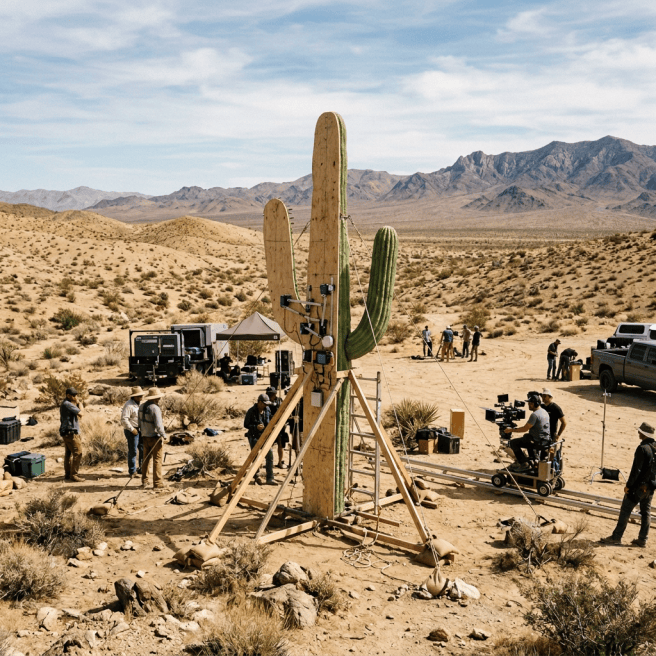
The AI managed to even make it look like it’s been inflated…
Badland Barons
Spaghetti Westerns filmed in Spain – Was that because the cactus got there first ? Invading through the dry terrain, And perfect with some charros interspersed… Alas, the only ones we see Are squat and unromantic prickly pears – Saguaros need a century To even grow those cowboy arms of theirs. Instead, they had to turn to fakes For long-shots standing-in as Arizona – Moving flats between the takes To look more Tucson, look less Barcelona… Were there not native spurges That could act the part as extras on the set ? Although, what now emerges Is a weird, invasive hybrid – better yet !
Day 4 – Cactus – #inktober #inktoberpoem #inktoberpoetry
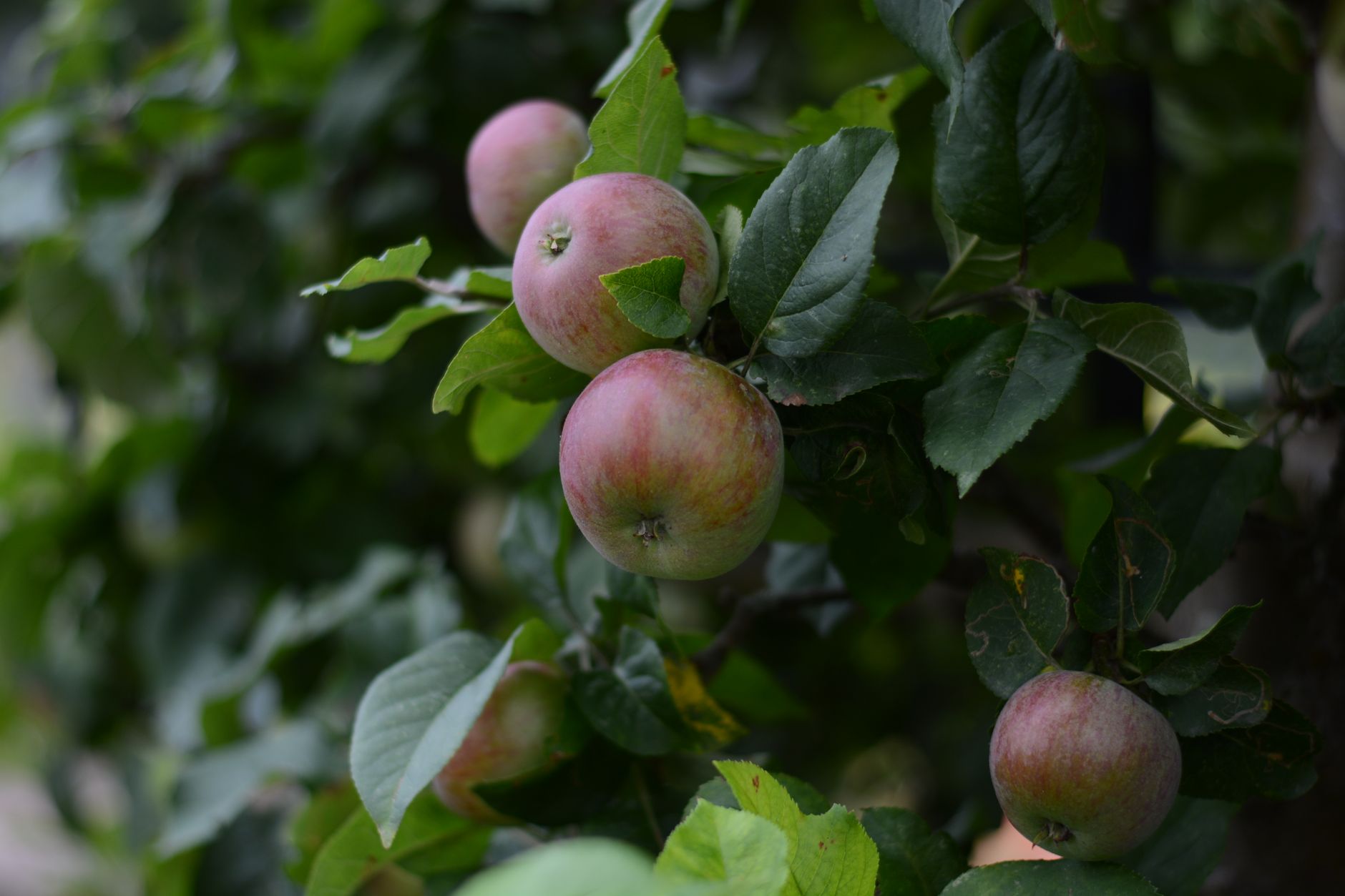
Orchards are lower these days, The rootstock is stumpy on which they are grafted – The trunks barely over our shoulders, The branches still reachable, that’s how they’re crafted. Their forests don’t crowd in a maze, But spaced to let sunlight turn crabs into plumpers – And these aren’t some wind-fallen moulders, But lures to tempt deer in, and blackbirds, and scrumpers. So take care when walking these ways – For all that they’re waxen, these fruit can be hairy When boughs can be heavy with boulders, All lurking at head-height, to catch the unwary…
Day 1 – Apple – #inktober #inktoberpoem #inktoberpoetry
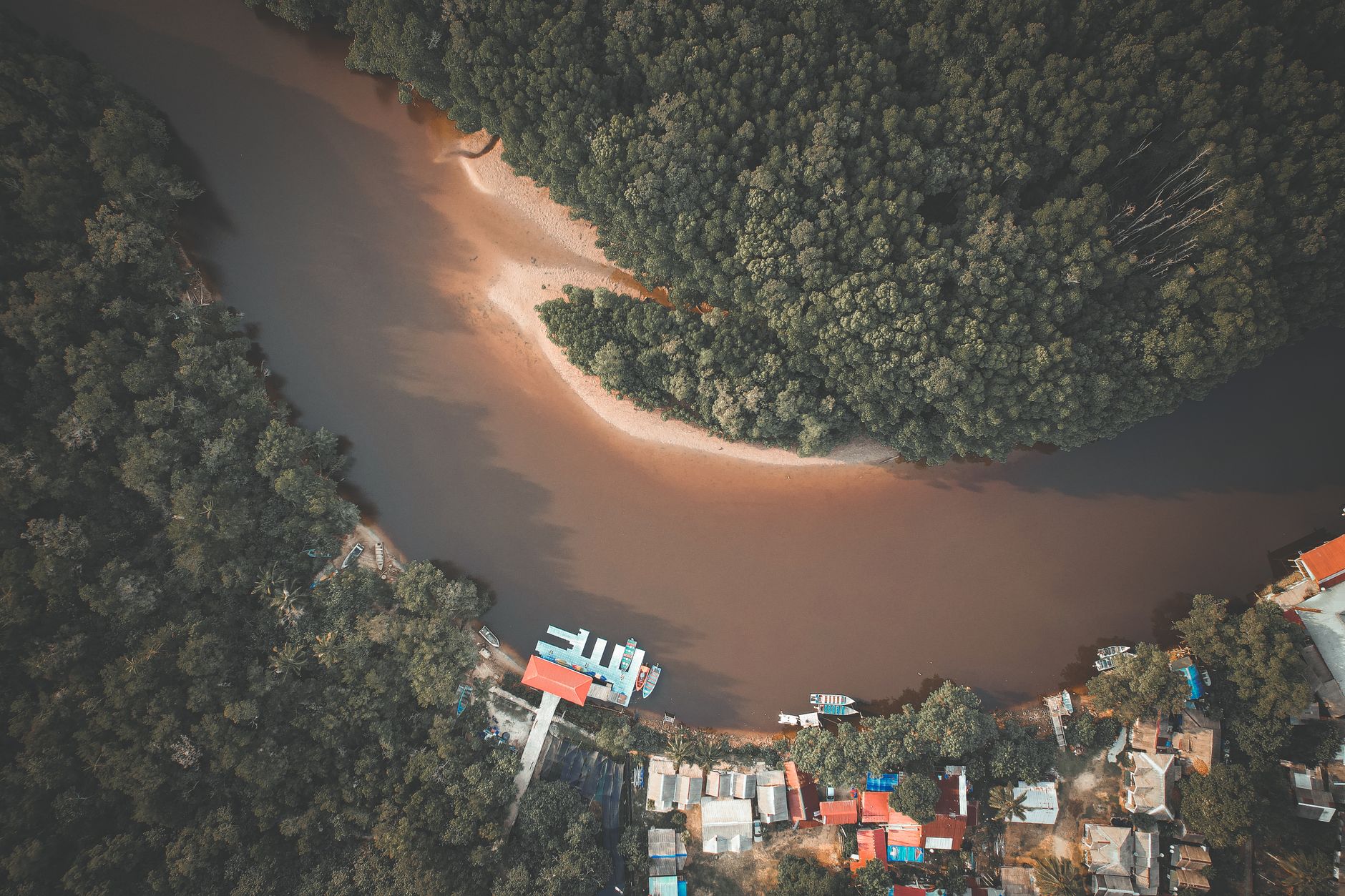
“Here in the Amazon, expect to see creatures So unlike anything you’ve seen back at home.” So the tour-guide promised, in our cabins in the jungle, That were concrete-free with no trace of styrofoam.
Twenty structures or so, I reckoned, And only reached by the river – no roads. With the sounds of the rainforest right on our doorstep, With monkeys and parrots and cicadas and toads.
But…around the huts, some things were looking Just a little too familiar – too much like Blighty, Like dandelions, growing wherever they can – I’m unure – should they abhor or delight me ?
I heard some chickens in a coop, and honey-bees – And I’m willing to bet they’re the same damn species As thrive in Britain, like the white-bloomed clover, And the stands of reeds on the river’s beaches.
So, on our way here we passed through Manaus, With its pigeons and its mallards and its sparrows and its rats. Now, I didn’t see those out here in the jungle, But I do see a peregrine falcon – fancy that !
And there goes the buzzing of a common house fly, And there’s a daddy longlegs – and a cockroach on the roam. And a cat to catch mice, and a dog to keep guard, And the humans, of course. We’ve some of those at home…
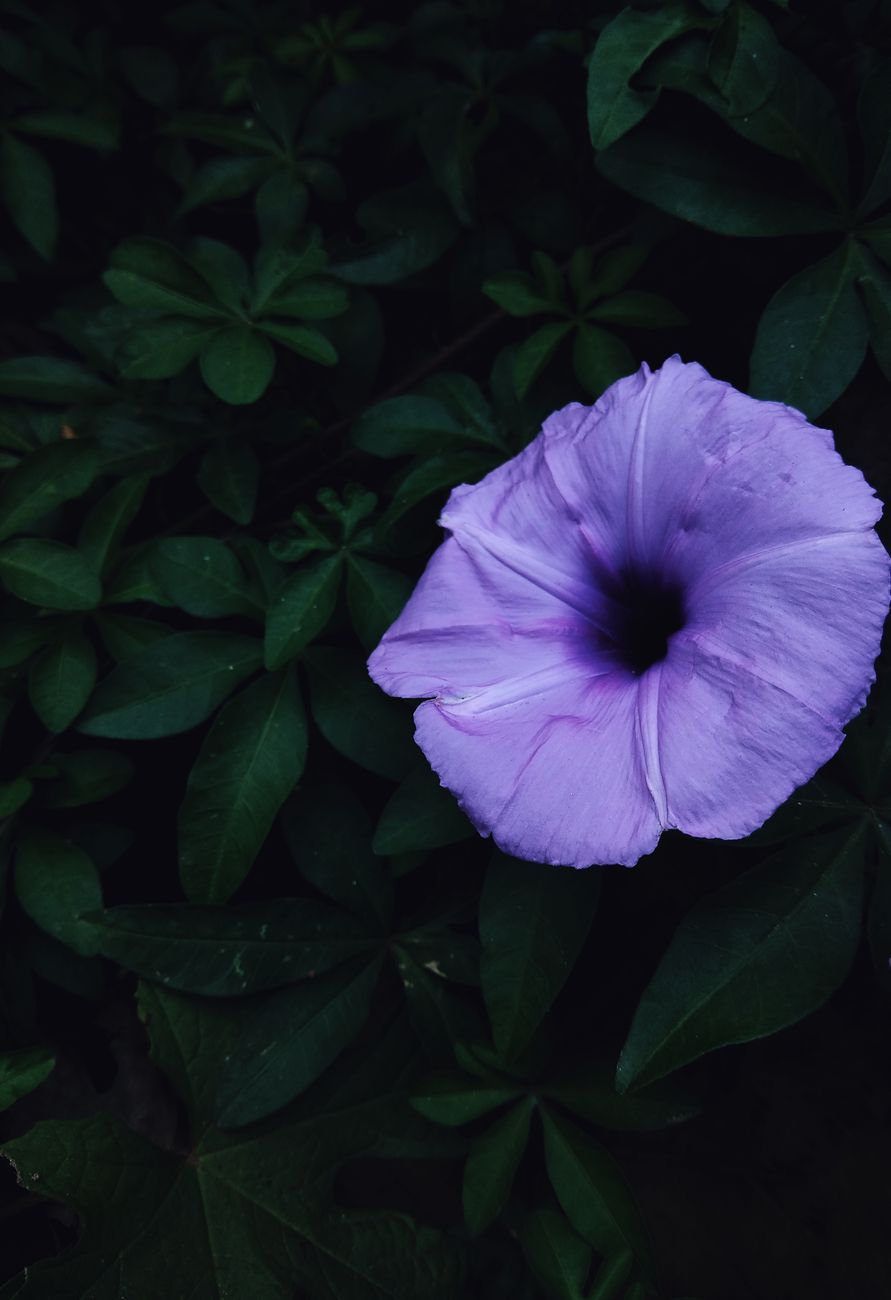
The night is still too warm, North of twenty – Far too warm to sleep, And through my open window, all the scents Are on the rise. The Moon is full enough, the curtains open, Birds are yet to peep, So I slip-on a tee-shirt, vaguely hoping I can catch a prize. In the kitchen, dregs of last night’s wine Are worth a swig, Then out into the garden, free of sunshine – Less oppressing… A hawkmoth buzzes audibly around the trumpets – Wow, it’s big… Now this is how Summer should be – less a slump, And more a blessing.
Flowering plants give birth to their grandkids, Two generations on. Between them, a haploid stage in birthed, And breeds, and dies in a matter of hours. It’s evolution at play, and history, Old ways still acting upon – The hidden generation, That is lurking deep within the bowers.
The parent cells, barely ten in total, Died at the point of conception – But isn’t the same as true in animals ? Well, yes…and no. The thing is, they have further stripped their gametes down To uni-perfection – No longer build a multicellular form, They have no need to grow.
But mosses and ferns, they still do it old school – Separate independent stages – And algae can even be free-living – Single, double, single, double… So botanists have marvelled, And have filled their textbook pages – But have drawn the line at animals, To spare them family trouble.
Yet I suppose there’s one more diff’rence – If the egg and sperm that made me Were my parents…well, that means, My parents are within me to this day – They gave their lives, and gave their haploid matter To upgrade me – So my generation has it easy, Born with twice the DNA.
Botanists like to point out how the ancestral condition of alternating between haploid (one set of chromosomes) and diploid (two sets) each generation still exists in flowering plants, but in a very reduced form. And it is true that pollen contains two-to-three cells, and the ovule seven, making them both technically multicellular.
And yet zoologists never seem to mention that the same is true for animals, only here the haploid generation has been reduced even further – now both gametes are single-celled, and their entire mass is consumed by the emergent zygote rather than withering away like all of the haploid plant material bar the two nucleuses. I guess they’ve got to draw the arbitrary line somewhere…
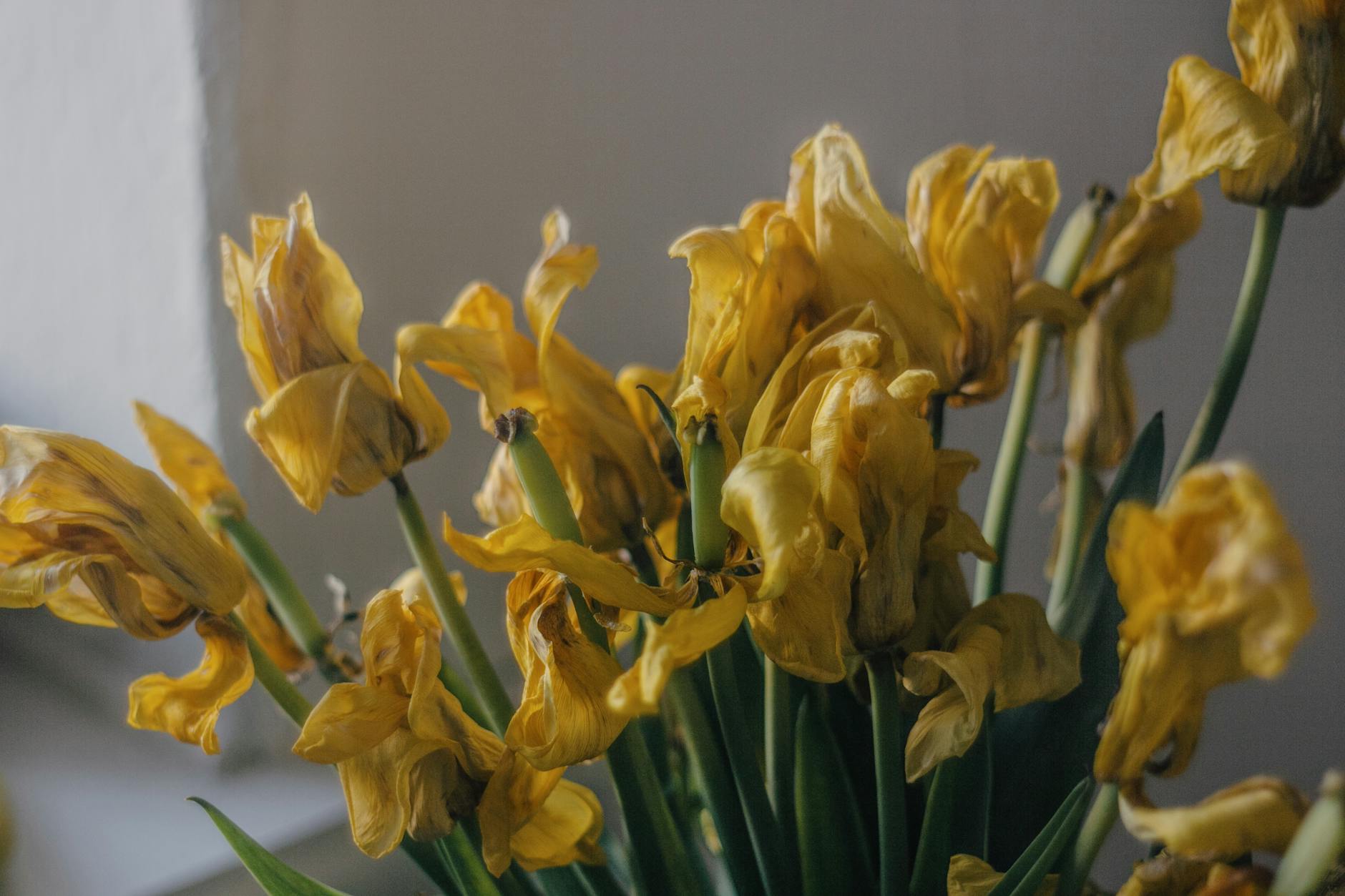
When the daffodils go over Then the Spring is on the way ! And though it’s sad to see the yellows wilt, At least they had their day. Once the clover is in clover, Then the bulbs are all long done – But Springtime has been built upon Their early yellow sun.
When the bluebells have stopped ringing, Then the Spring is truly here And though it’s sad to see the mauve-lings fade, At last they gave good cheer. Once the tulips have stopped singing, Then the bulbs have done their work – And it’s time to let the first watch fade And once more softly lurk.
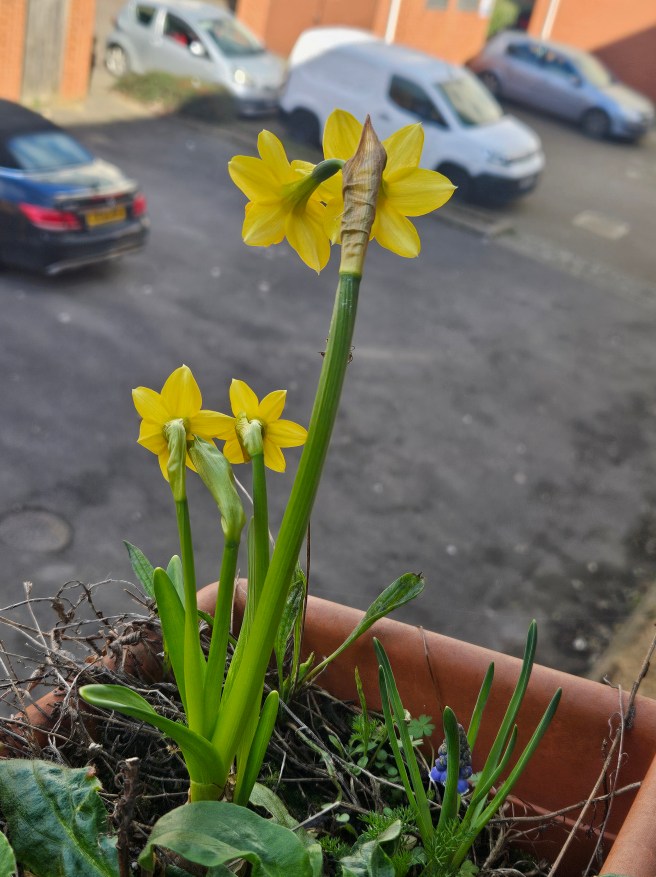
The daffodils are blooming In my window-box again, Just to show that Spring is looming In the face of icy rain, They sprout besides my sill once more In planters perched on high, As they cheer my second floor, And bring a garden to the sky.
The daffodils are blooming In my window-box again, But they turn their heads from booming Through the gloomy window-pane. Instead, they stare at Winter Sun Where all their real focus is. I think next year, to stop the shun, I’ll just grow crocuses.
The only way to dine on garlic Ev’ry day or two, Is to only visit friends who dine on garlic Just like you. So lace that bolognese another clove, And stir it in that fry, And then be sure to bring your friends around your stove To have a try. And don’t be so afraid to say très bon When sharing peppy dips – And don’t be shy to relish it when tasted on Another’s lips.
We’ll still grow trees on Mars, Under the domes, And rooted in thin soil – We’ll take nuts to the stars And distant homes, To shade our fervent toil. Beside potato fields, And stands of wheat, They’ll ease the barren crag – Not for their timber yields Or fruits to eat, But just to plant our flag.
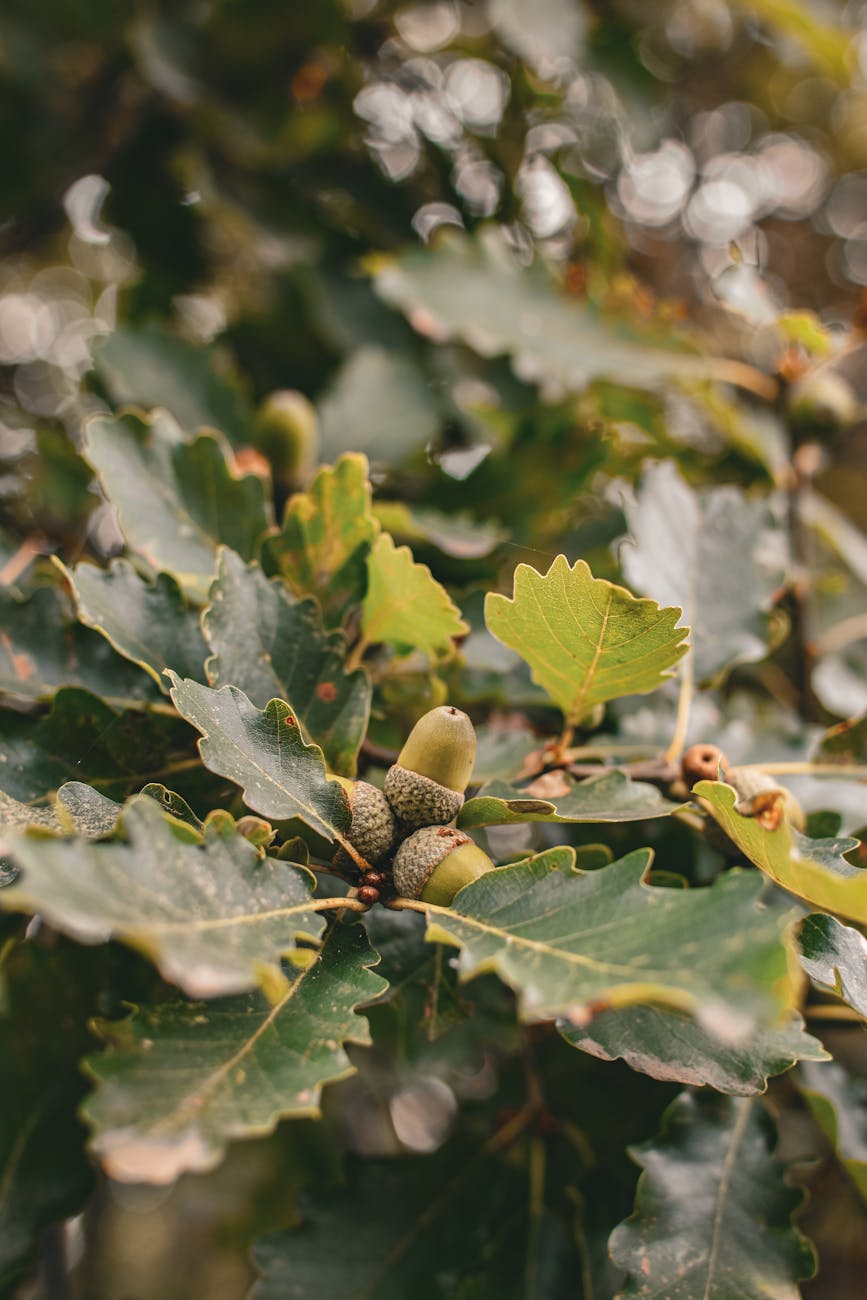
It only takes an acorn, That’s not too much weight To build a tree. And ev’ry sapling born Shall grow up great In lower gravity. Yet forests don’t get lush Till many years Of Martian peace have been – I guess we’re in no rush To clothe our spheres, And turn the red to green.
Which trees, though, all depends – Can pine withstand ? Or deserts raise a beech ? We nurture ev’ry friend In ev’ry land Our giant leaps shall reach. And thus, we’ll leave a trace From overseas That shows we once came by. We’ll still grow trees in space, Because the trees Have reached-up to the sky.
I’ve heard that oak will make a hedge If planted it in a row, But have you seen the sparrows fledge Where catkins hang so low ? Or acorns ring the meadow’s edge ? Perhaps they’re just too slow ?
Or hedgers baulk at pruning oaklings back To make a wall, When ev’rything about them says ‘Don’t hack, But grow me tall.’ So bushes have all bolted, down the track Where branches sprawl.