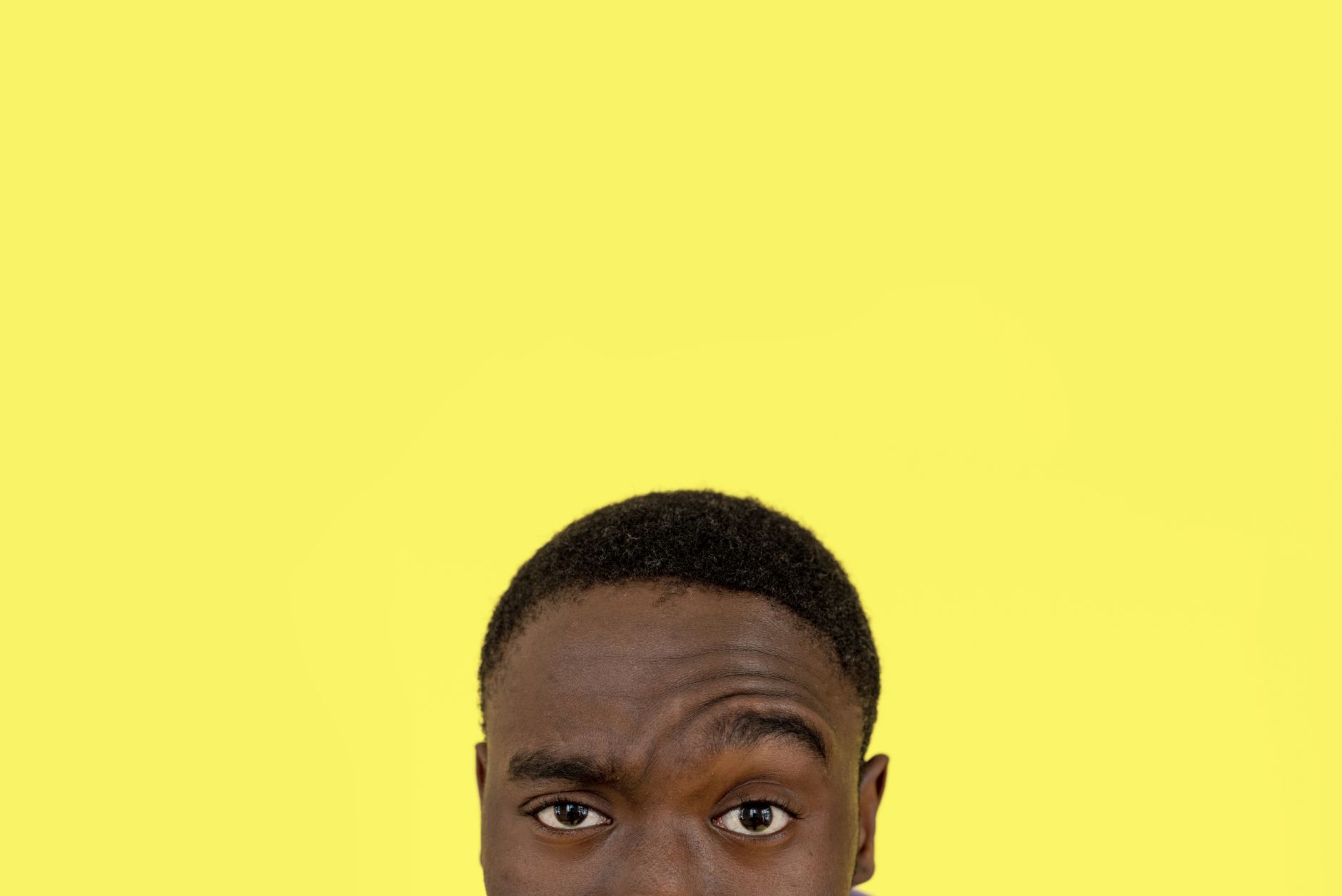
My mental spark has blown a fuse, My neural net is down – My binary just cannot choose, My thoughts have all left town, I just can’t cotton-on my loom – Now…why did I come in this room…?
My lights are on, at half-a-watt, But no-one’s in my head – My memory is quite forgot, My reckoning is dead. My vanity is all in vain – Now…what was I about again…?
My staying power’s called it quits, My flow is far too dense – My balanced humours lost their wits, My common makes no sense My confidence is all a con – Now…where’s have all my marbles gone…?
Day 19 – Confused – #inktober #inktoberpoem #inktoberpoetry
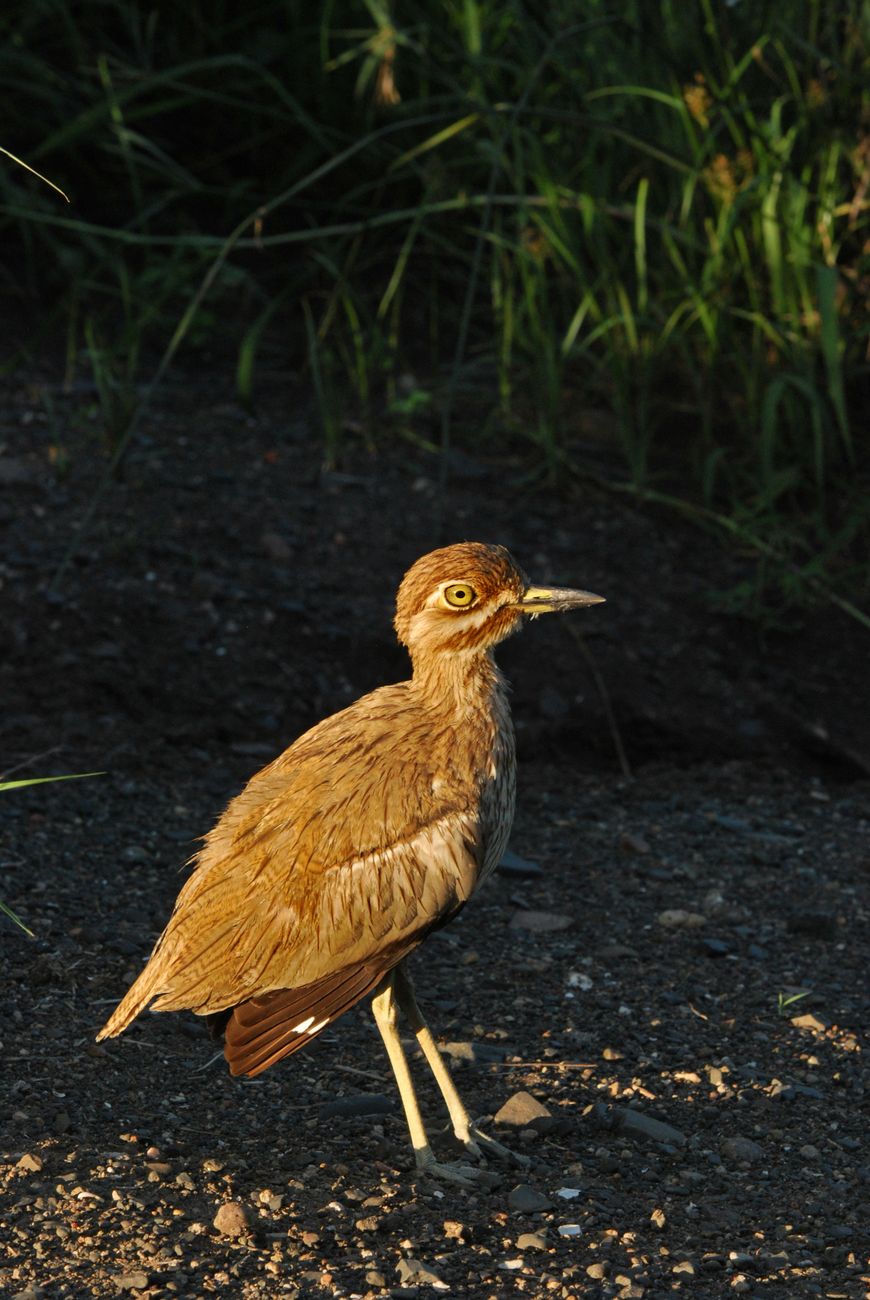
Tinamous are walking birds, And less a flock and more a herd – For they are nested in the clade Of ratites, who are flightless-made. They stalk the woods and grassy prairie Like the unflown cassowary, And we find great kinship here With emu cousins, and the rhea. And yet, the timorous still fly – Although in truth they rarely try, And much prefer to run away That take to clumsy flight, they say. So do they ever look around At ratites, stranded on the ground, To see how each evolved this trait Quite independently of late ?, And wonder if their future lies In never taking to the skies…? Or do they fear a coming trend Where they grow fat and can’t ascend ? It’s evolution pulls the strings And robs the kiwi of its wings, But also builds the ostrich tall – Will tinamous yet hear the call ?
Day 18 – Flightless – #inktober #inktoberpoem #inktoberpoetry
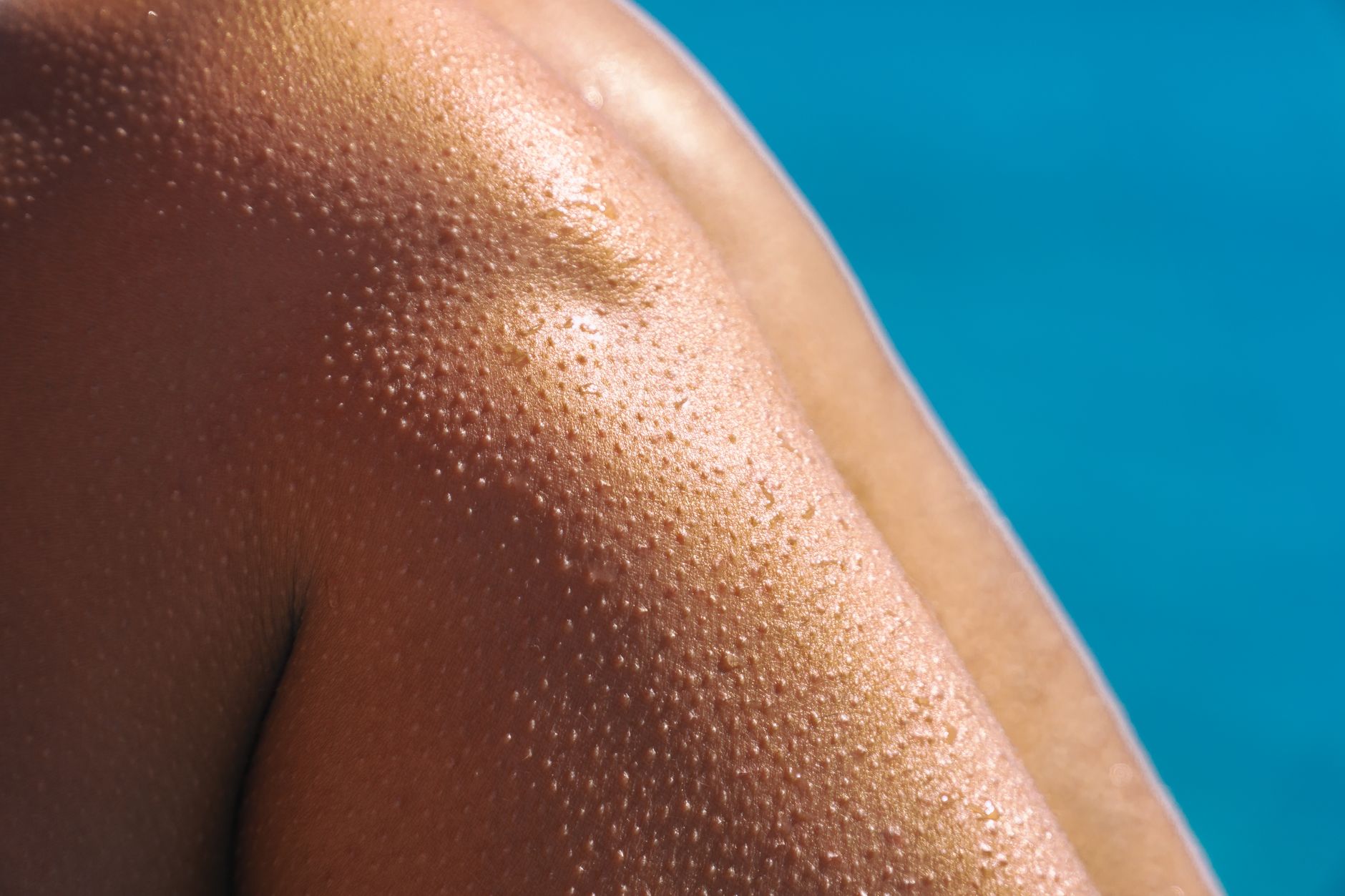
Mammals sweat – it’s our superpower, But boy, does it make us pong ! Our glow is wafting, musk is humming Ev’rything can smell us coming… Mammals sweat – we’re a perfumed flower, That likes to come-on strong – We love to run our engines hot, Yet keep our cool (an awful lot…) Mammals sweat, but lizards cower, Basking all day long – They warm so slow, they barely blink, But thinking quick will raise a stink. Mammals sweat – unless we shower, Then our whiff goes wrong – But rest assured our nat’ral scent Cannot be silenced, as we vent.
Day 8 – Stinky – #inktober #inktoberpoem #inktoberpoetry
I must be getting old, But this doesn’t feel so much fun anymore. Lis’ning to a pub band this weekend, And suddenly the music’s not my friend. The racket left me cold – It wasn’t they were bad, as such, for sure… But the PA was too loud – now there’s a phrase That I never thought I’d utter all my days…! They looked so middle-aged, And so much less rock-&-roll as hokey-cokey. So bald and fat and wheezy, just like me, As they played their wall-of-sludge cacophony. For all the singer raged, His voice was lost within the karaoke – I hate to say, but cranked up to eleven, How they felt so out-of-place in rural Devon. It’s me, though, truth be told – My hearing just can’t tease their notes apart. Though what has left me breathless ain’t the loud, But the unrelenting crushing of the crowd. I must be getting old, If I’m waiting for the interval to start… So sad and sobering a Sunday a outing Now…where are all those clouds that need a shouting…?
At first, I was dumbfounded by the rush, And squeezed within the crush, And now I think I’ve danced myself to hush – My chords aren’t made of steel.
I just don’t have the breath to tell you, Panting, how I feel – I just ain’t got the means to yell, Or roar, or even squeal.
I just don’t have the the vocal chops, Or the power in my burning lung. I can’t go shrieking from the rooftops Like I did when I was young.
I cannot thrust my diaphragm, To serve as my pneumatic ram. I’m far too dizzy, too deflated, Far too hyperventilated – Strung-out, wrung-out, Lost my shout, And my words have got no clout upon my tongue.
I haven’t got the oxygen To sing the chorus yet agen, I guess it’s time to shut up when My whistle just ain’t whistling.
But let me mumble, let me rasp, In one more whispered, breathy gasp, Before the words slip from my grasp: Thank you all for lis’ning.
Photo by u0418u0432u0430u043d u0412u0430u0441u044eu0447u043au043eu0432 on Pexels.com
Holes
Our eyeballs have a hole in them – To light the retina behind – That’s what the pupil is – an orifice – Without it, we’d be blind. Our mouths are gaping portals to our tunnels – Down our throats they wind, On through our stomachs and our guts, To exit at, well, nevermind… And our bodies are a sieve, our skins are sponges, Pores of ev’ry kind – To let-in sound, or let-out tears, How many more are there to find ? It’s strange to think about, I guess, But prob’ly best to be resigned – We’re nothing but a Swiss cheese, really, With a rent and ruptured rind.
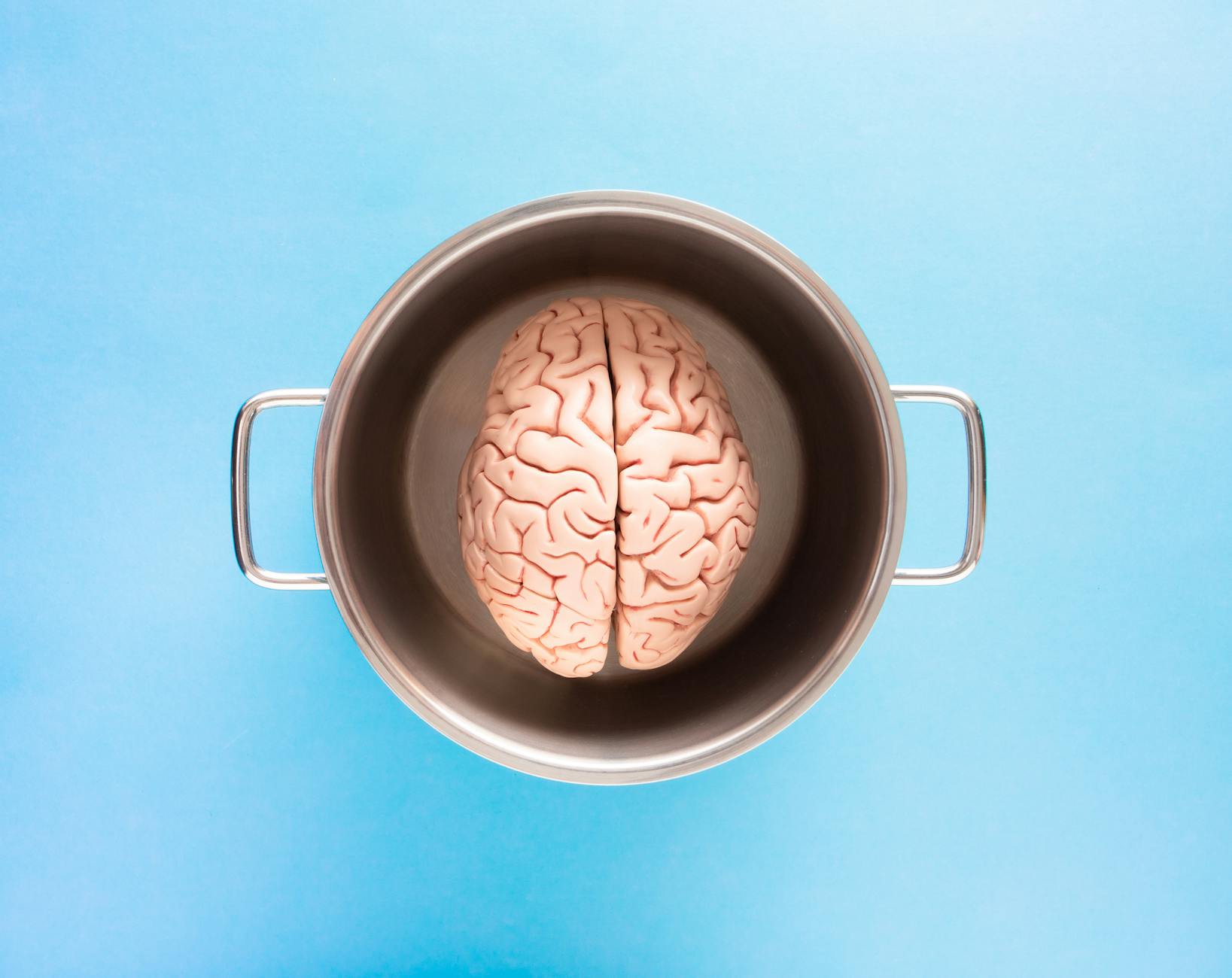
I was paging through the vellum of my silly cerebellum, In pursuit of some astute and cutesy cue – I was patterning some patter from the matted-old grey matter, But my gloomy ruminations would not glue. I was brooding on a doodle from my stewed and moody noodle, But although my lights were on, my wits were dim. I was knocking on my noggin for a logarithmic login, But my lingo wasn’t bingo-ing with vim. Thus I tried to work the quarry of my murky upper-storey, But the nuggets were a slug of IOUs – So I hoped my troubleshooter would reboot my meat-computer, But my scrutinising loosened only screws. And for all I poked and probed at my affront to frontal lobes, I was summoning no summit for my sums – All my neurons were neurotic, and my id was idiotic, And my egghead wasn’t laying golden plums.
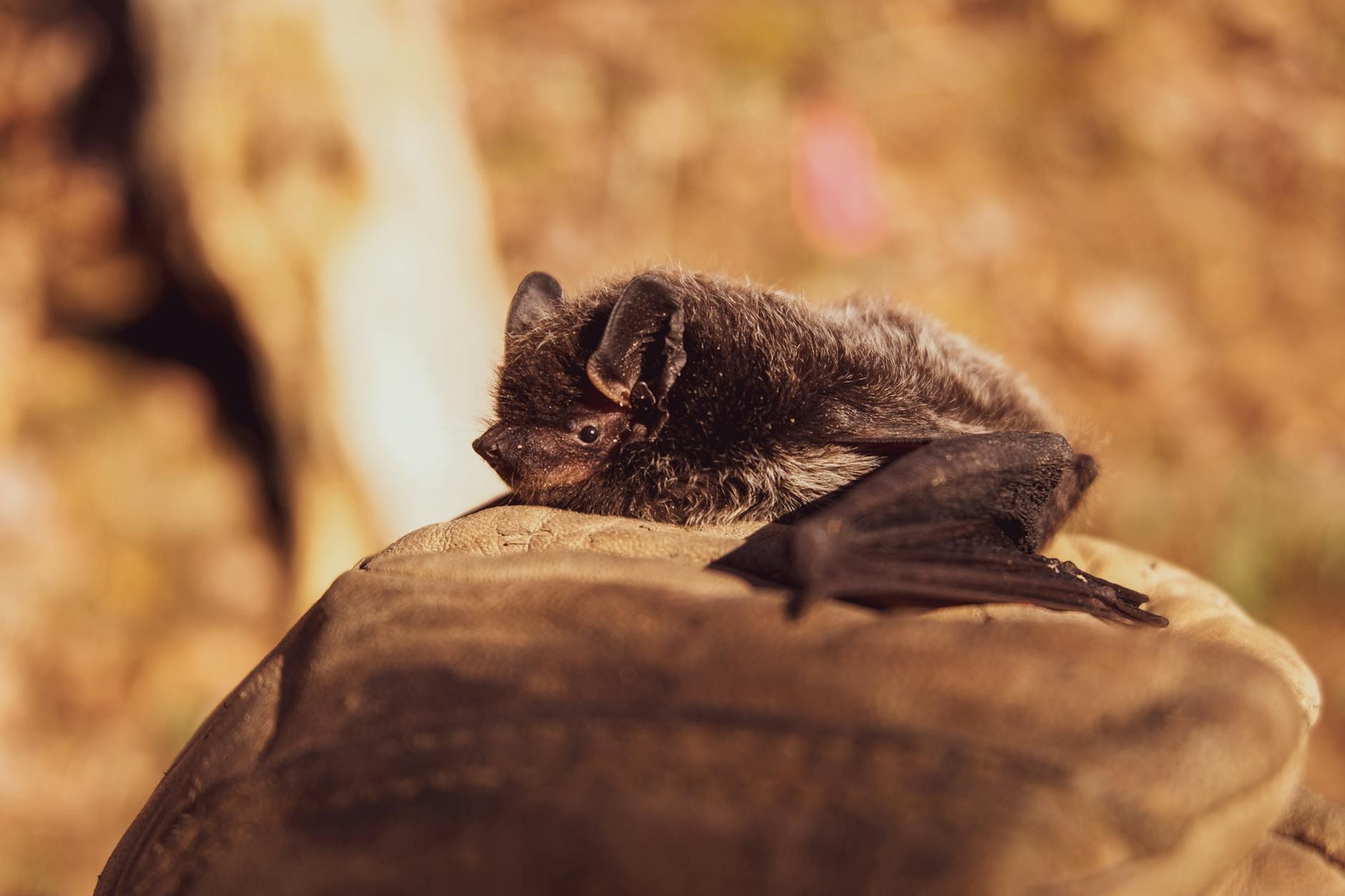
Why can bats fly ? And I don’t mean at all, I mean still ? Why have they never gone ostrich or penguin, But never stopped flapping, so upwards-ascending, Refusing to temper their skill ? There’s plenty on islands without all the predators, Plenty of time for their genes to face editors, Yet, to their credit, their urge to grow lazy is nil. Though perhaps that’s unfair on the dodos and fleas, Who have repurposed bodies to new strategies – So their airborne commitment to natural fitment, Is not simply down to sheer will. The pterosaurs never turned flightless either, At least from the fossils we’ve found – It seems that neither stuck to the ground. I wonder if it’s all down to their puny legs, Unlike the biped birds, That stops them forming roaming herds, Or burrowing into the hill ? The membranes, though, of their wings attach To their nether-limbs – is maybe a catch To developing muscles down there with a kick ? They just aren’t quick enough for the kill. Though evolution is ever the tweaker – The pika-pika can forage and scramble With hardly a gamble or grounding or snafu – While vampire bats, they can even run if they have to !, Yet flying remains their thrill. I guess it continues to work well enough, So I guess they continue with flying and stuff, And we all have our niches to fill.
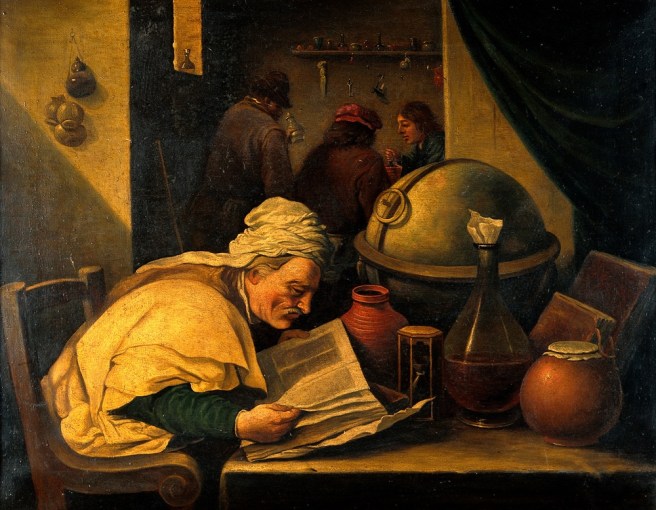
An Alchemist in His Laboratory after David Teniers the Younger
Chymistry
The alchemists assigned the ancient metals To a planet each: The Sun is gold, and brightsilver the Moon, Or so the heavens teach. While quicksilver is Mercury, And Venus has a copper heart. And Mars is cast in iron, clearly, In their philosophic art. Old Jupiter is made of tin, And Saturn is a lump of lead – (Or bendledd, as I like to think They should have called the stuff instead.) And that was the edge of their knowledge, And Uranus came too late – But what might they have named his element, To match his fate ? I think redledd – bismuth, Though they did get them confused – And Neptune can be brimstone, Since that still has not been used. But what of the others ? Like the Earth ? I guess that must be carbon coal. And plainsight-hidden Ceres is our makebrass zinc – That fits her role. And banestone Pluto gets to stand For ars’nic, dark and glimmer-free, Till dim and distant Eris is our stibblack, For antimony. Of course, we really did get chemicals That have all grown with them – That’s how we got uranium, Neptunium, plutonium, (And much-forgotten cerium) And all the secrets each unlocks. One wonders what the alchemists Would make of such explosive rocks…?
Note that antimony has its stress on the second syllable (as it should be…)
And of course, these days we’ve actually found the philosopher’s stone that can turn other metals into gold – only these days we call it a supernova instead.