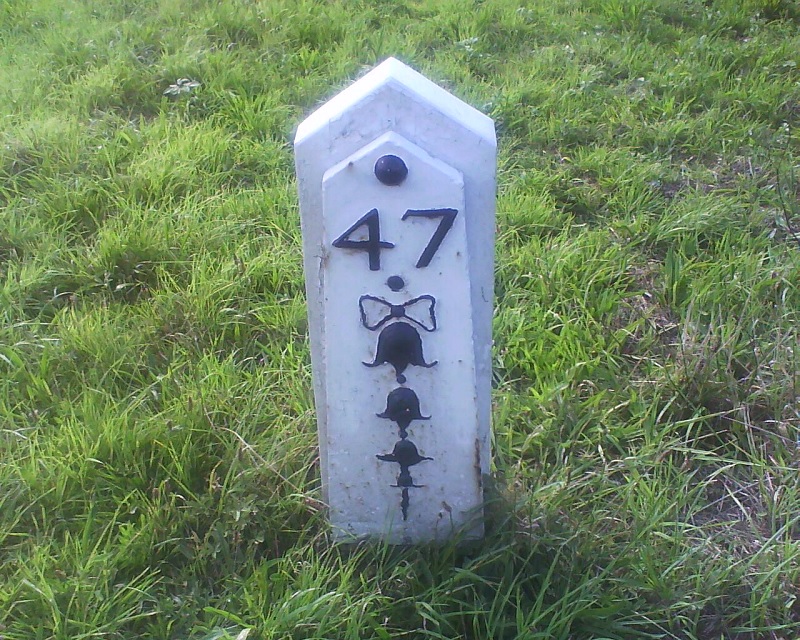
Look ! Spiders ev’rywhere ! Scuttling over ceilings, Hanging from their danglings, Watching from the walls. Webbing here, webbing there, Going ’bout their dealings, Lurking legs-a-gangling Or rolled up into balls. Let them be, don’t let them scare. Spiders, spiders ev’rywhere !
Henry Russell’s first published plot from 1913. (It was later discovered that Ejnar Hertzsprung has published something similar in 1911, hence the shared credit.)
M-K-G-F-A-B-O
Doktor Hertzsprung, Doctor Russell, Why is your diagram such a tussle ? Why is your axis the wrong way round, Higher to lower, bluer to redder ? Does it reveal some secret profound, Hotter to cooler, younger to deader ? Your sweeping main sequence is mirrored about, Your plot’s lost the plot, and your graph’s up the spout.
Actually, I’m being a little unfair here. The original plot was absolute magnitude (aka luminosity) on the y-axis, and the peak wavelength of light on the x (or ‘spectral type’). Since high-energy blue light has many more waves in the same distance as lower-energy red light, so the length between peaks in red light is longer, and thus a higher number. (Incidentally, Omicron2 Eriadne B was the first white dwarf discovered in 1910.)
When it was later realised that the wavelengths directly related to surface tempurature, the latter was substituted, but now the numbers were going down instead of up, and nobody bothered to flip it. But thanks to the wonders of the internet, I was able to rustle up the following:
So when you turn to pray in the facing-Mecca way Do you use the Great Circles or the Rhumbs ? Though both have got it wrong – for the route that’s shortest-long Shall be plumbing through the mantel as she comes.
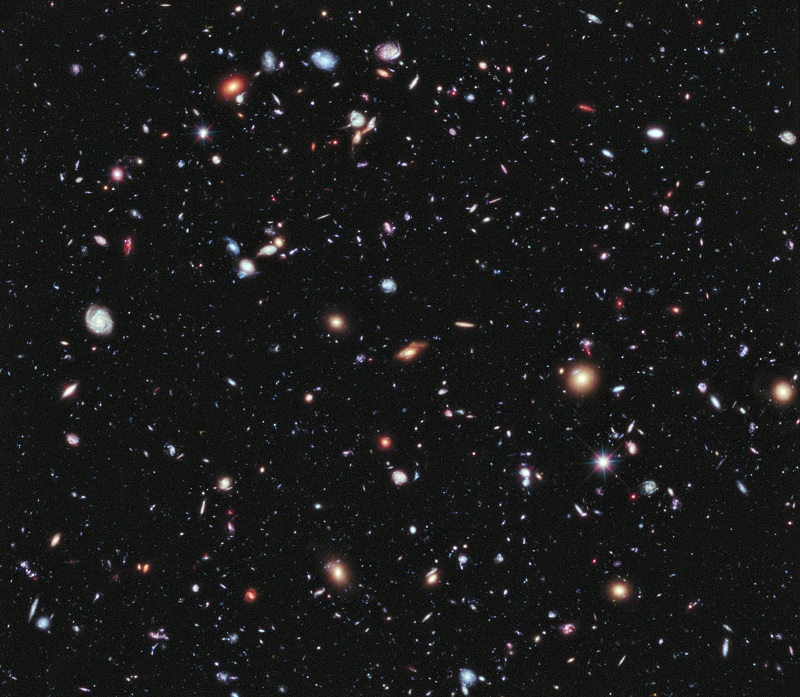
Amazing space, how blind and vast, To fluke-up life like me. I once had faith, but now at last, I have infinity.
Somewhat off the subject, but whenever I hear Moby’s Natural Blues, with its sample of Trouble So Hard by Vera Hall, I’m walways left wondering why she had such problems pronouncing final plosives. To this day, I swear she sings: “Oh Lawdy, my troubles so harn / Don’t nobody know my troubles but Garn ?”
The beauty of English is all those who seek it With all of their Anglisized ears. The whole world is lis’ning, for evil or good, Our blessing and curse is to be understood. The beauty of English is ev’ryone speaks it – The trouble is, ev’ryone hears.
This cannot drown me, nor chill me, nor dampen my mien – For I have seen something like nothing of all things I’ve seen. Not from a far world, nor next world, nor somewhere between – It came from within me, from ev’ry damn neuron and gene.
“First recorded as such c.698. Origin: (settlement of) Gilla’s people, from Old English -ingas ˋpeople of’.”
– How England Was Named
Eight miles west of Charing Cross And just to south of Hanger Hill, Lived farming folk whose Saxon Boss Is with us yet, through his old ville – Now while our names are doomed for loss, Gilla’s people linger still.
Tumbling lines, one from another, Falling in behind the last – Each one linking with his brother, Lacing up and holding fast – So ev’ry time a rhyme should sound, Then, potently, a rhyme shall kick, Until the final line is found To shut the box with sweetest click.
Synonyms, ah synonyms ! The poet’s greatest rule – Facilitating, all-enabling, multiplicating tool. Synonyms – repeating things – they let us say once more The same old curds in diff’rent words – a dozen ways to score.
Ask him a question, he answers precise and pristine: The greatest and smallest, and ev’rything shaded between. Ask him a question, the height and the year and the queen – He knows all the answers, but hasn’t a clue what they mean.