Dear Dad, There’s just so much I have to tell you, Just so much that I have seen… …Dear Sis, I hope you’re keeping well, I’m keeping fit and fed and clean… …My darling Anne, Oh how I miss you still, I hope your married life is good… …My best mate Dan, And all the lads a’t’mill, Is there someone else where I once stood ?… …Dear Mum… …Mijn lieve Klara… …Bonne-maman… ….A Seán, a chara… …Take these words, they’re all we’ve got, They’ll cross the sea as we cannot… …Cari saluti… …Bester grus… …Todo mi amor… …Mit einem Kuss…
The sea is wide, my son, so wide, And the wind is free, so free – The sea is long to the other side, And the currents strong on the Westward tide. Don’t tarry here because I cried – Your boat is at the quay.
The land is big, I hear, so big, The boat is small, is she – But you must leave aboard this brig, To seek out better roots to dig. I know you won’t return, my sprig – You won’t return to me.
On the Inability of many Victorians to adequately append to their Dissertations such short and succinct titular Benamings as would better serve their weighty Publications without exposure to crucial Details of sundry Devices and Plots thus delineated by which the presumed Reader is disprivileged and their subsequent Enpleasurement undersated.
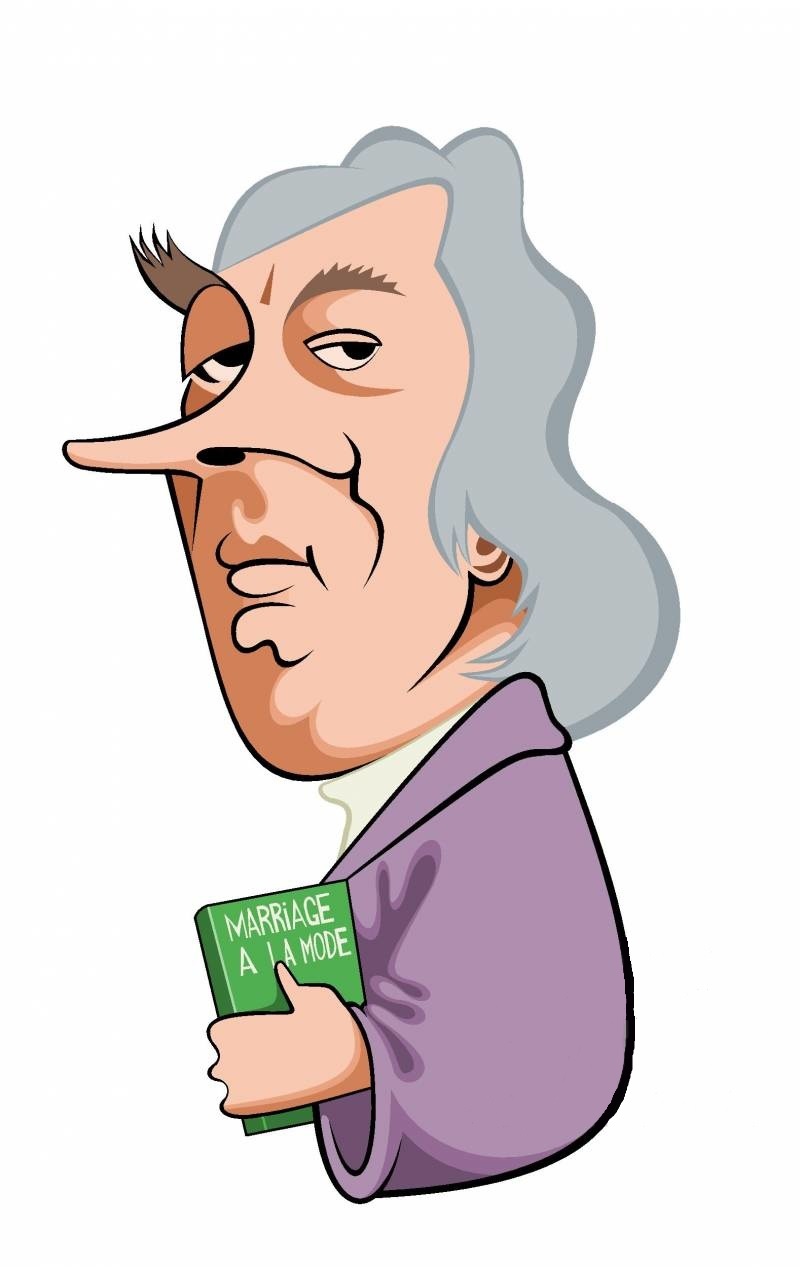
The trouble with writers, back in that day, They never had chances to finish the job – Just splash on the whitewash, any old way, And promise and short-change and rob. Too many loose-ends and threpenny warts, Too many set-ups with no second coat – Till Misery’s suddenly out of his sorts, And the author is slashing our throats.
I came for satire, complexity, and human drama – but left with cyphers and a lecture…
Once upon a rail, When the locomotives first set sail, Their engineers, they already knew That these were not just drab machines – No, each was special to her crew, Bedecked and tendered like a queen – And painted – donned with pride and with blue, Protected with their red, and enamoured with their green.
Stephenson Trials Melanie Marr, coming home on the train From a day-out in York and the Railway Museum – So many locos, and no time to see them, And only their colours stood out, in the main. From the first Locomotive, a wood-and-black fellow, The blaze of the Rocket, so pristine, so yellow !, To Brightons in umber, and Cambrian grey – But the big four were coming to sweep them away…
Brunswick A little lighter than British Racing, But darker than Southern and LNER – The perfect green, thought Melanie Marr, A green both dignified and bracing ! So Great Westerns got her vote, If she really had to make a pick. Some may call it middle Brunswick, They just called it locomotive.
Malachite Melanie never like malachite, Forever sandwiched inbetween – It wasn’t deep and it wasn’t bright, But under-ripe, and over-green. They could have had electric blue, Or merchant-navy silver grey – However fast the boat-train flew, That green would never save the day.
Apple The apple was fine, but they just couldn’t settle – A little unsure on the colour of metal. The Mallard was blue, much to Melanie’s sighs, With garter and overcoat worn in disguise. They’d muddied their branding, they’d chilled their panache – Are apples too homely for cutting a dash ? Why be so ashamed of so fruitful a sheen ? If you’re gonna break records, then break them in green !
Crimson Lake A name, she thought, like a matinee idol – A Paisley lass, or maybe Crewe, Who caught the deep red train to London, Changing her name, and her accent too. By the time she disembarked at Euston, She already was a star – Ready to faint in the melodramas, Ready to dine in the restaurant car.
Rail Blue British Railways had the pick, And flirted with a lively blue, But switched it back to Brunswick, quick, And endless green would have to do. But when the Railways stubbed to Rail, They tried a blue which hid the dirt – For Melanie, no greater hurt Could now disgrace the midnight mail.
Franchise Rainbow Privitised, and multi-coloured, Trains of ev’ry shade but beige – And some are old Great Western-dressed, But Melanie is not impressed. Call her spotter, call her dullard, But that was a diff’rent age – Now trains are sleek, but lacking sheen – Yet marketed by all as ‘green’.
Maroon The final leg to Rayners Lane, Yet not a trace inside the train Of the gorgeous purple of the Met. The tube-line on the map is all we get. But once the poles and seats would say That here maroon could still be found Within her train to work each day, When she was scarlet-fronted, Euston-bound.
The Future’s Bright Melanie, though now retired, Imagines what intrepid acts Await for her on down the tracks To get her boiler fired. In any livery, it’s plain That market-men have simply shown What engineers have always known – A train is never just a train.
I saw an organ grinder and his capuchin the other day – He made an awful racket, and the monkey didn’t want to play, And no surprise !, the poor bedraggled creature looked a broken thing, Half-starved and half-exhausted, on a short and fraying string. The organist was little better – no musician with a skill – He simply turned the handle to produce the loud and flat and shrill.
I ought to add, this wasn’t in a smart and swanky part of town, Because the rich have constables to move them on and shut them down. Instead, they haunt the humble in the poorest, foulest thoroughfare, In begging half a penny from the folks who haven’t one to spare. But still I stopped, and watched that doleful monkey, as his master hawked, And wondered what he might have dreamt of, if he only could have talked…
“I’d rather be a monkey than an organ grinder, any day – We monkeys gets to leap and dance, and gen’rally to have our way, And sport a hand-made uniform, and all the grapes that we can eat, And always play to cheering crowds from Berkeley Square to Gower Street. And yet the world is quick to view me as a lackey or buffoon – But grinders only get to grind, and grind, and grind all afternoon.”
I saw an organ grinder and his capuchin the other day – And shared a knowing look, we three, of how they’d soon be swept away.
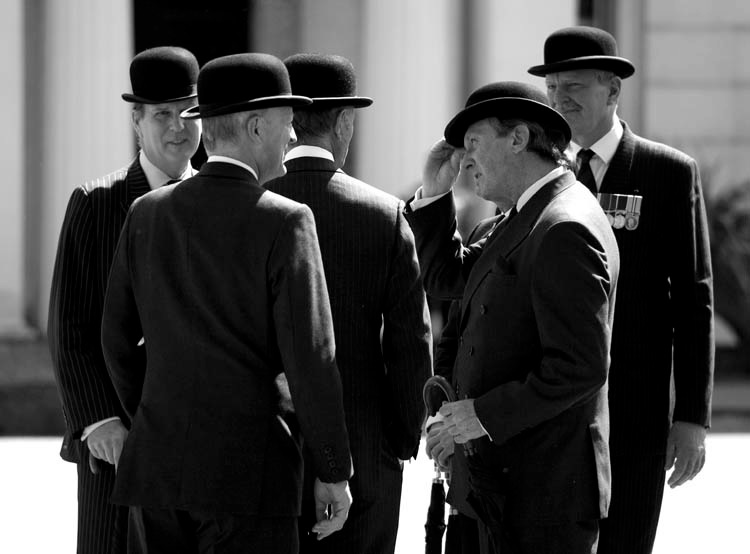
Once there was a time when a man was his surname – The only name they ever used at school, or in the Guards. A gentleman at club would be hailed as little better Than the sappers in the trenches or the inmates in the yards. Forenames were for sissies and for ladies – or your relatives, And only then because they else would all be called the same. Soon as breeched and blazered, they were down to the initial – All that mattered was the fam’ly silver and the fam’ly name, But one or two more wily gents had first-names not to be ignored – Jerome K Jerome and Ford Madox Ford…
This poem is dedicated to William Carlos Williams.
Poor poor Johnny Dryden Thinks that English is too English – Wishes it could be more Latin, Than this horde that he’s combatting. But he’s heading for a hiding If he thinks our mongrel language Is a synonym for Latin, Somehow ripe for reformatting.
Poor poor Johnny Dryden Hates those final prepositions – Keep them out, just like in Latin, Else we’ll really let the cat in. Always ready for some chiding, He polices our transmissions Should we stray away from Latin In our ungrammatic chatting.
Poor poor Johnny Dryden, Hates infinitives to split – After all, you can’t in Latin… Oh, to truly scholar that in ! But the mobs are over-riding All his careful rules to bits ! Ripping off their hairshirt Latin For their English shifts of satin.
The title is pronounced PUNK-till-uh-gog-uh-low-KWO-shah-tyood.



 Rhyming Couplets