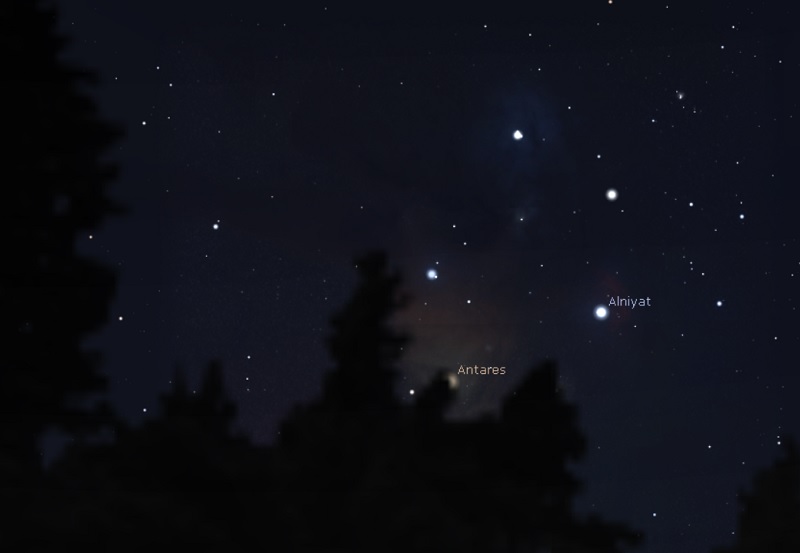
Right at the bottom of the Zodiac, he lies – At the bottom of the garden, at the bottom of the sky – Barely rising high enough above the privet hedges, As he’s hugging the horizon – just a hello and goodbye. Battling through the light-infested night (plus those long evenings), Peeking out from skies that are perpetually grey – From the top floor of a tower block, I bet he looks a treat, But for us, he’s always hidden by the roofs across the way.
Summer days, ah Summer days, When the world is out-of-town. The Commons and Courts are resting, And the news is old and brown. When gherkins are smooth and longer, And the sunbeams are making them glow, Then just ask Jack and Algernon How quick the sandwiches go !
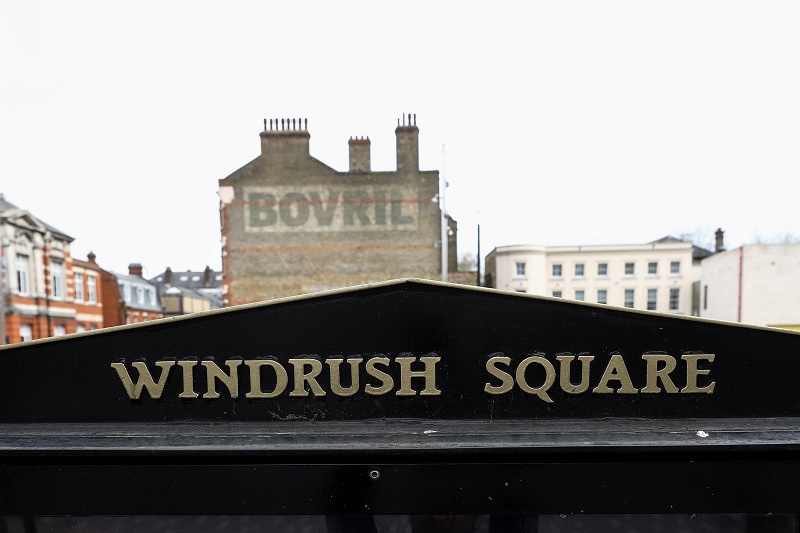
Oh London, my London ! Forever so fond, Yet I heard of the rumours of places beyond – For further than ring roads and suburban stations Apparently lies there a wealth of far nations. How greatly I dreamed of the boat and the train And the tropical sun, now washed out by your rain. For my riches are poorly, my cupboards are bare, My travelling stalled upon your thoroughfare.
Oh London, my London ! You felt my distress. And pitied my yearnings to quit your address. For penned by your broadways, I longed to escape – So you widened my cage from the Steppes to the Cape, From Hong Kong to Lisbon, from Cairo to Cork, From L.A. to Delhi, from Auckland to York. With bright lights and glamours, and chiming Bow Bell, You brought me the world, and their families as well !
Growing up in the boring countryside, I’ve always liked the idea of immigration – not for myself, far too lazy, but for the rest of the world to do the hard work of coming to me. Though I guess I am a kind-of immigrant into London, and this was written soon after my arrival as I was still marvelling. Looking back, it’s a bit dum-de-dum, but that pretty much summed-up my provincial output at the time. What my poems needed was a splash of colour, and London was just the place for that.
I saw a bird in town today, Pecking round the outdoor cafe tables – Plucking up the crumbs astray, Then flitting off to perch atop the gables. I only saw a smidgeon, Of a flash of green upon the fowl – So not the usual pigeon, Nor a bully blackbird on the prowl. I thought I saw some speckles, But it surely couldn’t be a thrush ? I’d wager seven shekels That they’d never brave this market crush.
So, it’s not a mavis, then – Too small and bright for crow or rook, I’d say, Too big for sparrow or a wren, And far too dark for chaffinch or a jay. A parakeet ? Baloney ! And even I know magpies from a robin ! That leaves the starling only – But then, just where were all the others mobbing ? I sacrificed a sandwich prawn To tempt it down, my enigmatic bird – And yes, it took my proffered pawn And yes !, a starling straggled from the herd.
Don’t you have meadows to pirouette over ? Don’t you have siblings all missing their rover ? Are you an orphan, or outcast, or rebel They taught to caw bass, but who wants to sing treble ? Or are you a mute who can not hold a ditty, Now seeking your fortune within the big city ? I’m much the same, really, I came for the glory – So here, have a peanut, and tell me your story.
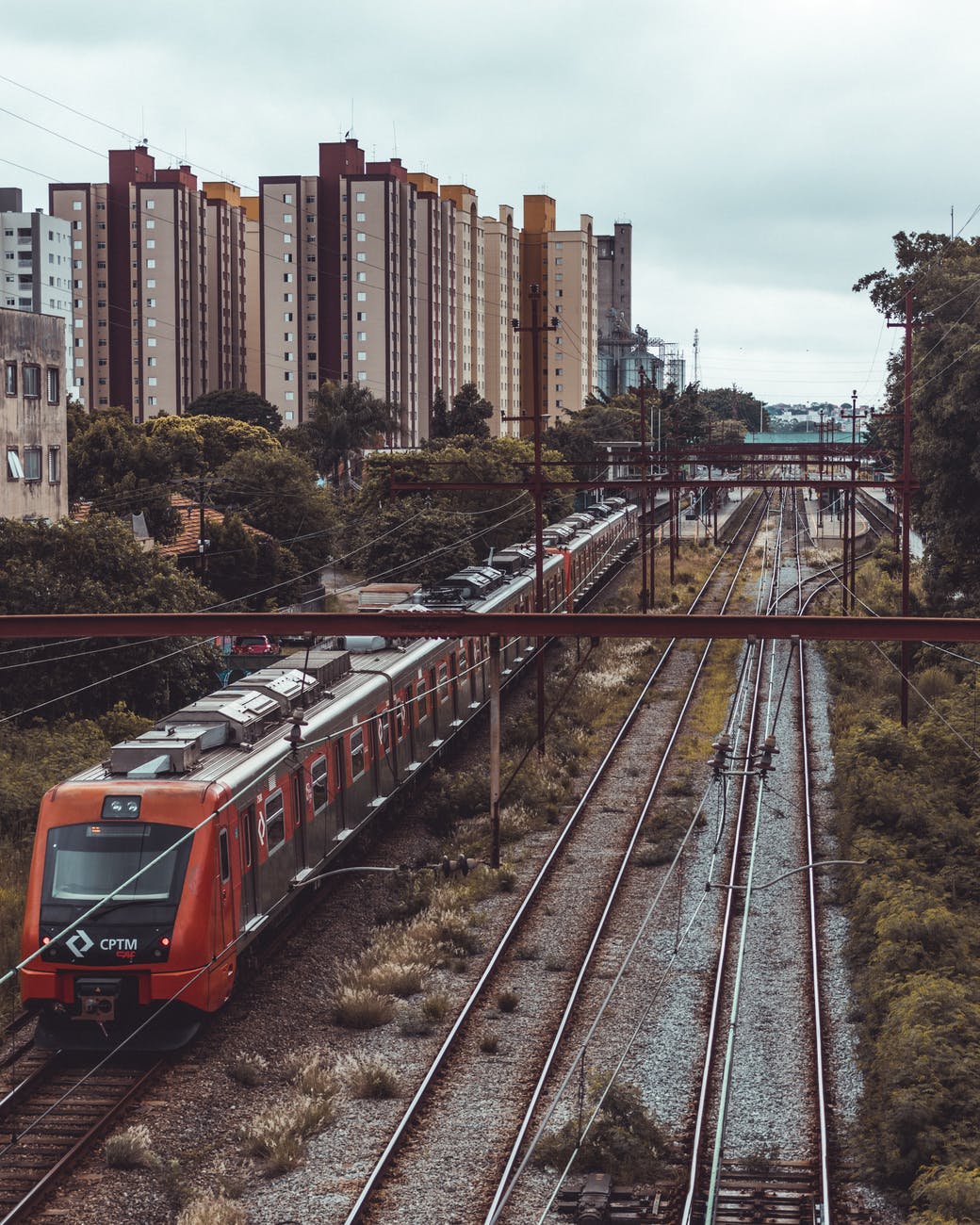
Every morning, all Summer long, We tie-less masses struggle aboard The dawdling trains in the hungry platforms, Like some suburban zombie horde. Then staring out at rusty sidings, Ragged lots, and the empty sweltering sky, As the weaving rails must dance and join, And the shapeless buddleia bushes go by.
Every evening, all Summer long, We shirtsleeve masses of sweaty sardines Cram airless trains on commuter corridors, Staring at space or staring at screens. Some folks ride on gilded viaducts, Mutely surveying the city from high, While we in the troughs watch the overgrown fences, As grasping bindweeds bushes go by.
A miniature cricket, or maybe a ’hopper, Has found its way into my flat. I thought that the spiders would send it a-cropper, But they’re having nothing of that ! It could be a locust, but that would be holier – Easy to spot though – bright green on magnolia !
I feared it was munching my windowsill cactus, But I see no evidence there. I guess the poor thing must be fasting in practice – My ceiling-top cupboards are bare ! It doesn’t have wings, so it’s still just a young – It’s legs are un-hopped, and its song is unsung.
The urban billboards haven’t been updated now for weeks, Still enticing us to salons, bars, and holidays in Rome, Or advertising musicals that never got to open Or for services from businesses where nobody is home.
I always used to hate these hoardings, snapping at my eyeballs – But now they seem so innocent, with cheery friendliness. Their absence feels more communist, without their bourgeois mindwash, Replaced by public notices to queues and cleanliness.
The rich live in houses, the poor in cells, This is how classes are classed – From Kensington Gore to Tunbridge Wells The best were designed in the past. The poor get newer and concreted hells That are decomposing fast. Of course, the new could be just like the old, But then they would all get far too bold – So keep them ugly, keep them cold, And build them not to last.
For most of the people who live in a city, They’re not in the city at all – They’re out on the suburbs, a bus-ride away, In the bland and the ugly and small. But anyone’s free to enter the city, Though nothing is free once you’re there – There’s beauty and splendour for those who can stay, And a curfew for those who just stare. For only the richest can live in the city, The rest are the visiting poor, Who traipse-in to work there for day-after-day, And in through the tradesman’s back-door. They’re cleaning the crap off the streets of the city, They’re polishing egos and chrome, And serving up coffee for minimum pay, Then taking the final bus home.
A neighbour, it was, who alerted us, Alerted himself by the muffles within – Apologising for making a fuss, “I’m no busybody, and she’s hardly kin, That’s why it took me this long to call – If only I knew my neighbours at all.”
I worked for the landlord’s agent, so I grabbed my coat and signed-out keys And hopped on a passing 220 To Fulham, above the Cantonese, Lift not working, second floor, With a gentle tap upon the door –
No reply, except some mewing – So I rapped again, then risked the lock, Announcing myself and what I was doing – A sudden guest can be quite a shock. Nobody home (though the stench was strong) – It turned out I was very wrong.
She sat upon her sofa, asleep, With two cats guarding her, agitated, The kitchen another three cats deep, And a sixth who snuck in while I waited, Calico, Siamese, blacks and tawny, Most of them hissing, all of them scrawny.
I knelt down beside the tenant then, Gently touched the back of her hand – The coldness a jolt, but I touched her agen, And all I could think of was all I’d got planned For that afternoon – all now postponed, While windows were opened and constables phoned.
The cats were making ev’rything harder, They’d made a mess, and were clearly starving – I found some tins of food in the larder, The way they fell upon it was jarring. Flies aplenty upon the ceilings, I fought down all my nauseous feelings.
The undertakers had taken her By six, so careful and so unblinking. I stayed away in the kitchen, shaken, Stroking the cats to stop from thinking. The PCs left the place to me, The neighbour popped-in with a cup of tea.
“I don’t think she had family, really, Kept herself alone, poor mite, Except her cats, she loved them dearly – What’ll become of them, tonight ?” I scooped one up to work her charms, Into his unexpecting arms.
Another neighbour took another, I badgered the landlord to take a brace, And one to my less-than-happy mother, And as for the last, she’s at my place – This job, right down to its chromosomes, Is all about providing homes.






 Rhyming Couplets