Flatland always had all three, All three dimensions on it – Anyone with sense can see The Flatoids are upon it ! It’s true, they barely used the zed, But still the zed was there – But as for other strings that thread, These cannot cube the square.
Upon my death, should my beliefs attest To be so wrong, And should my doubting self yet house a soul – Which lurks obscure until eternal rest Proves not so long, Then rises up when summoned to extol, And give account of faith, and weigh agenst A common mark – Then let it hold no shame and hold no fear. And should my final form be then dispensed Unto the dark, Still my whole life was loving and sincere.
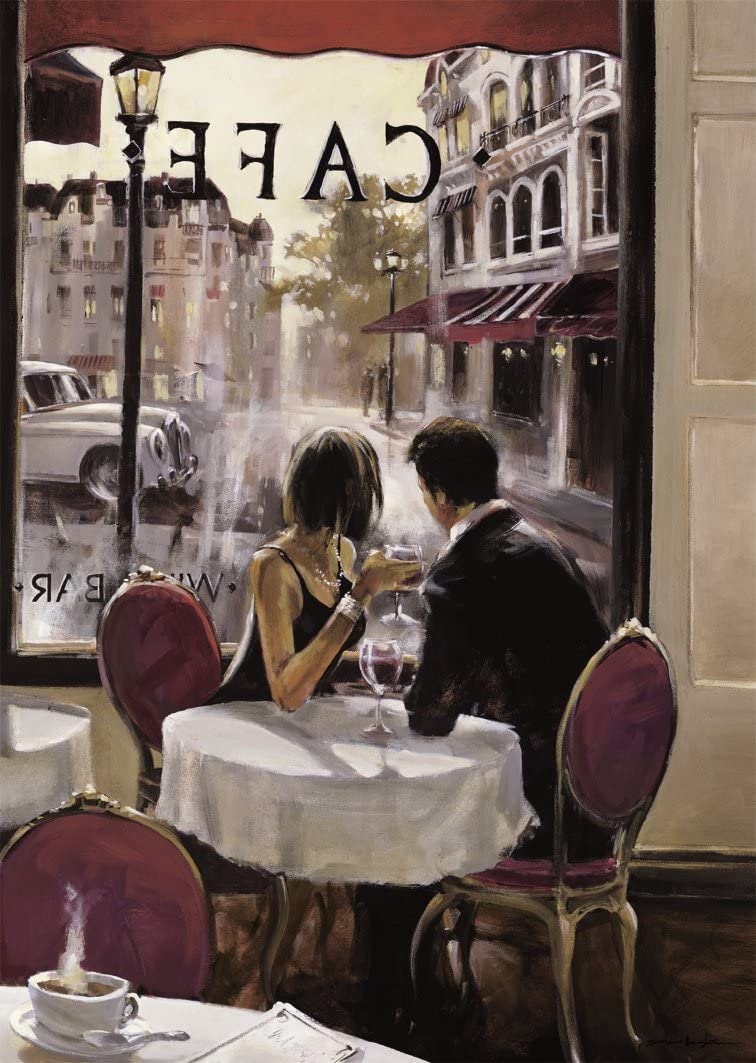
That first date, you never told me How afraid you are of moths, Nor ever interrupted me To lean across the tablecloth And gently touch my knuckles like you do (But didn’t do that night) To carefully explain how you Must always sleep upon the right.
You never said how many times You have to check you have your keys – Between the starter and the main You somehow managed not to sneeze, And while you kept me giggling with your jokes, You wholly overlooked To mention just how zealously You like your pasta undercooked.
You didn’t squeak a pip about Your overfondness over wine, That keeps you too afraid to drink. You didn’t think to spin a line Of how you’d always rather lie Than have an argument. Or how you never understand Just how your paperbacks get bent.
I guess I’m glad you never told me What was lying there in wait – For had I known, I doubt if I’d have Ever risked a second date. But when I think of who was sat across the table, On display – If that were all you were, I think we wouldn’t still be here today.
Barbara Blacksheep bears a name Belonging to a shepherdess, A damsel in a dirndl dress. But Barbara won’t play this game – Whyever did her parents think Her life should be a nod and wink ?
Barbara Blacksheep, twelve years old, Is fighting hard against the path Her name intends to telegraph. Defiance, though, makes Barbara bold – She won’t be traipsing downs and dales From soggy Kent to chilly Wales !
For she’s a city girl at heart – The only sheep she ever saw Was supermarket mutton, raw. She’d struggle how to play the part – She couldn’t be a wannabo-Peep For anyone, not even sheep.
She doubts all that nostalgia, though – They weren’t romantic spirits, free, But serfs a meal from poverty. Yet things have changed since long ago – The modern herders of the moors Use phones and drones and four-by-fours.
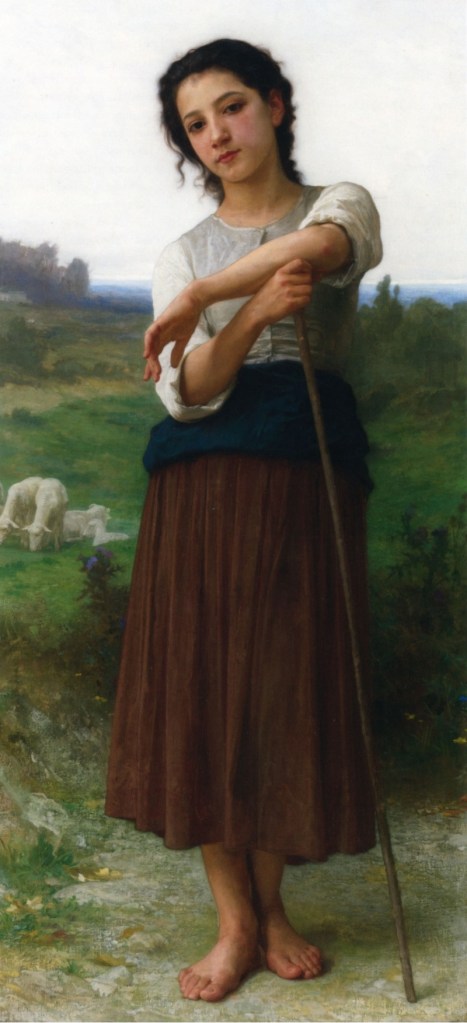
But then she sees a painting in a book – A shepherdess amongst the gorse Just leaning on her crook – Rather chocolate box, of course, With unshod feet and peasant’s dress But in her eyes a knowing look That said here was a shepherdess That knew her pasture’s ev’ry nook And knew her ev’ry sheep by sight And knew she’d get them home all right.
She was maybe fifteen, sixteen, Not much older than Barbara now – The latter who would struggle between Telling a sheep from a cow Yet somehow, if she’d only end her war Upon her name, Then give her three years, give her four, To give herself an aim – And could she be that confident of gaze To watch them graze ?
And so she got to thinking deep About her future, taking stock – And made a choice to guard the flock. So Barbara Blacksheep will never lack sleep Counting ev’ry one of her charges As each bleats and bustles and barges.
She made herself a solemn vow To shield her yearlings from disasters As playing fields become her pastures – For she’s a playground monitor now – Her lambs aren’t sheep and kids aren’t goats, But tykes in woollen hats and coats.
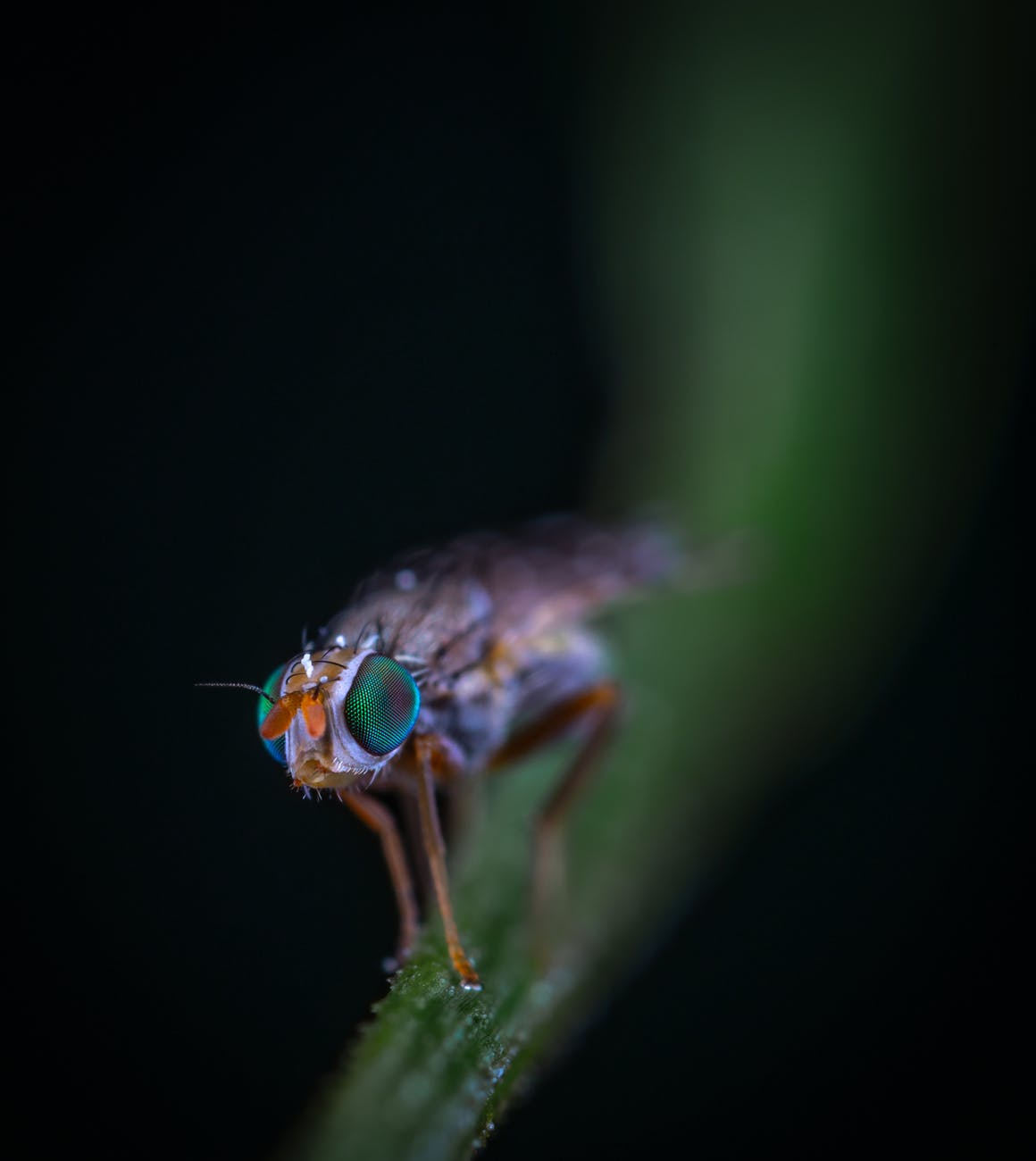
A single clap, a sudden slap, A thud against a desk, A backhand swat, a black-red blot, A mid-air Arabesque. Someone let the flies in, Let the flies invade our day, And now we’re exercising An impromptu cabaret. So jump up to that buzzing sound, And waltz your tiny partners round – Until we run these flies to ground, This dance will play and play.
The accent is just intended to show that the middle syllable is the one that should be stressed.
To defeat one’s mortal enemy, Approach him as a friend And speak the honeyed words of peace And fawn and twist and bend. In time, once his guard is down And slower to defend, Then draw him even closer still With bridges on the mend.
Confuse with favoured trading rights, And treaties by the tome, And offer cunning compromise Beneath his pleasure dome By breaking bread instead of bones, And quoting “when in Rome…”, And beating ploughshares from your swords To bring his harvest home.
And waiting for the trap to spring, He will not understand You sprung it years ago, back when You shook him by the hand – And now he’s caged by friendship With no anger to command, As your lovers take his city And your children work his land.
But best of all, he cannot strike you back, He is too late – For now his precious kin are settled All throughout your state – For he has also conquered When he opened up his gate, And now can only sit and watch His people grow-up great.
When did poetry become so small ? When did we all become about the ‘me’ ? Self-centred pseudies up our own arses, Full of minutia we’re bursting to free. I blame Romantics for swooning and moping While other folk got on with stuff. We’re just not that int’resting – nobody cares ! So spare them our whiny old guff. When did poetry become so small ? Obsessed with the truth, when it used to tell tall…
We don’t need Miscavige, see, To run our audits, rig our fates – We’re moving up the bridge all by ourselves. We needn’t wait till OT3 To learn of Xenu’s DC-8s, Now Teegeeack’s escaped your secret shelves.
We’re the methadone to their crack, The thirteenth sign to their zodiac, With a finger-wag to psychiatry, And a less-homophobic piety – We’re still in the zone, but at least the zone is free.
We’ve shed your cult, we’ve sunk your navy, Quit your billion-years a slave, Although we all think LRH is swell. Yet still the core is true, unbeaten – Still believe in body thetans, Just like Quakers still believe in Hell.
With solar-powered e-psych probes, We’re the white-shirt face to their cult-black robes, Lightly tutting at SPs, But never disconnection, please ! We’re an altogether healthier paranoia, with no fees.






 Rhyming Couplets