Living in the present, in the middles, not extremities – No-one owns a raincoat, and no-one’s building memories. Washing whites with colours, touching wood but never farming trees – No-one reads the manual, and no-one’s singing harmonies.
This is the rhythm and this is the line This is the poem that starts like this This is the stanza and this is the metre This is the terminal-tonal repeater
This is the engine and this is the spine This is the beat and it drives like this This is the tempo and this is the timing This the feminine method of rhyming
These are the syllables – see them combine These are the feet and they march like this These are the dactylic dactyls all chasing This is the pittering-pattering pacing
This is the rhythm and this is the line This is the poem that stops like this This is the build-up and this is the pending This is the climax and this is the ending
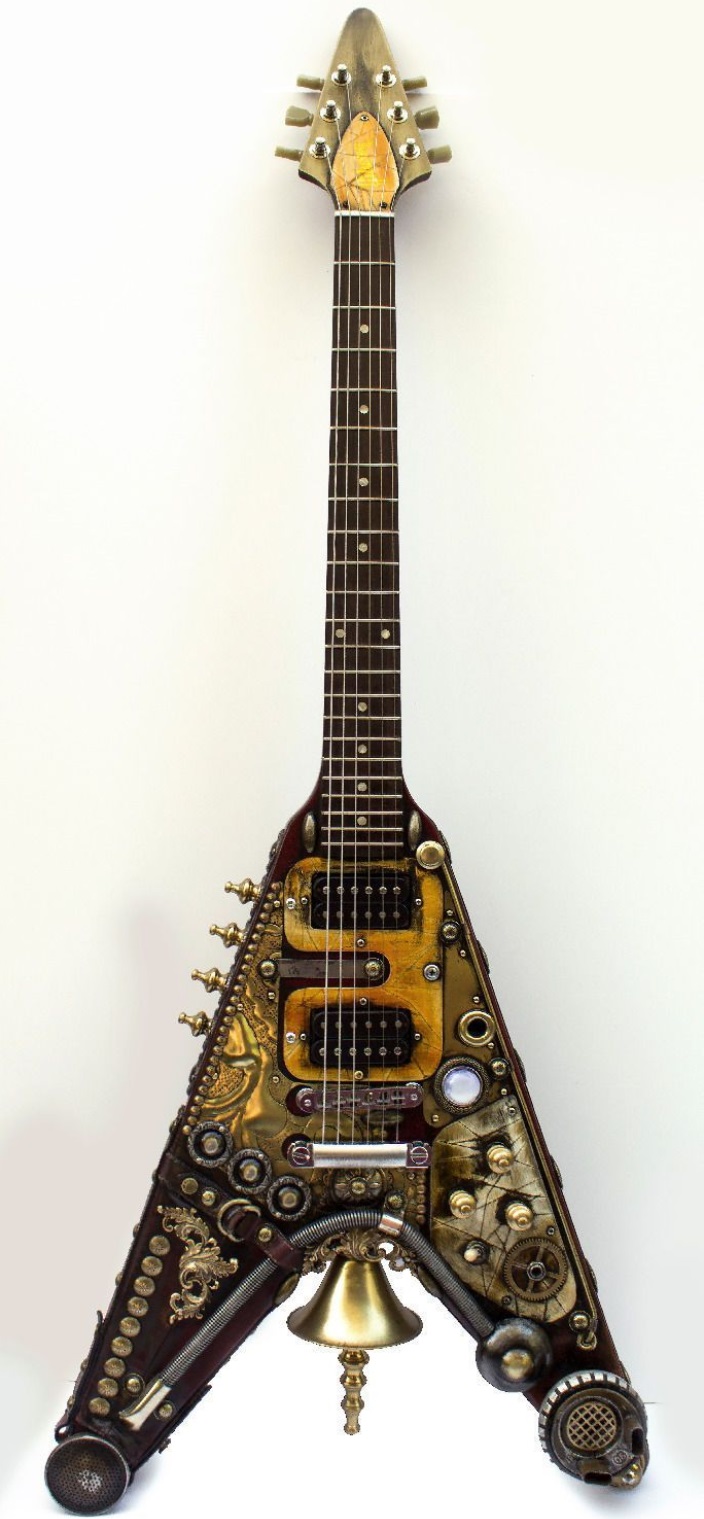
Astride your Flying Vee, You beckon me To step right up and climb aboard – The bass is thrubbing low, It’s time to go, Ignition with your power-chord. At once we lose the crowds To walk on clouds, As smoke comes billowing beside – You swoop me low and high, We are the sky, We buckle-up and take the ride.
Musical AI version generated by Suno.com – find more of them over here.
Yeats ? I’m better than him, any day ! Shakespeare ? Kipling ? Take them away ! Wordsworth ain’t worth a word, nor a letter – Betjeman, ha ! Bet you meant to be better.
Sure, they have moments – as do I, if you only knew – But it’s only their moments forever retold and adored. I could write beauty, should it suit me – and it does !, and I do ! But it’s always their words get remembered, and my words ignored.
To tell the truth, I’d always hoped I could have loved them all instead, But then they never wrote the lines I wished and needed to be said, And so it fell to me to please myself with what I couldn’t find, And that is why it’s only I who sparks my picky, prickly mind.
Oh, they all have moments, and I cling to these for dear love – That just for once they get me – when they get me right and get me good ! I need these, only ten times more so – scattered crumbs are not enough – Why must I hack my own damn verses just to feel I’m understood ?
Perhaps I over-dramatise a little, make too much a fuss, But surely we’ve all felt at times abandoned, like we’ve missed the bus – They make such lofty claims of how they speak for us, these sacred arts, Yet often fail so mis’rably to touch us in our hungry hearts.
Sure they have their moments – as do I ! Ah, but you’ll never know. I wouldn’t care, if only you could steal my thoughts and set them free. I know I have some beauty, somewhere – Ah, forget it, let it go… If only I could love them as you love them – but it ain’t to be.
Yeats ? I’m better, when we’re both said and done ! At least, to my audience of one.
Purple people prep pipettes with proper pulp from Prees, While Pippa Pepper’s preppy puppy Poppy plays to please, And Papa Piper pips the paper Pope at popping peas.
Hey, have you heard the news ? It turns out ev’ry single bird, From ducks to crows to cockatoos, Is really just a dinosaur ! I bet you never knew before ! Oh, I guess you’ve heard…
Well, of course you have, I guess… We all have – hey, we ain’t naive. Some facts, it seems, we all possess, They’re quotes that ev’rybody knows – Apparently, it’s one of those, Like, ‘sharks must swim to breathe’.
Like how Brazil and Timbuktoo Have split apart and drifted. The jigsaw that’s too-good for true, Is really true ! And the world is round, In space our screams won’t make a sound, And the stars have slowly shifted.
Or how without a pinch of salt, We’d all be quickly dead. But sodium and chlorine halt Our welfare quicker, if we dined On each alone – but when combined, We’re kept alive instead.
We know all this, we’ve known for years – It’s just some stuff we know. It’s been so long between our ears, We’ve let it grow mundane – If we forgot and learned again, Our minds would surely blow.
But hey, not ev’rybody knows, We all had to be told. So someone had to first disclose That farting fungus rises bread, Or knocking protons out of lead Will turn it into gold.
So someone has to spread the word, And we could be the ones ! For someone, somewhere hasn’t heard, And we could get to cast the spell, And see their wonder as we tell Of how we’re made from suns !
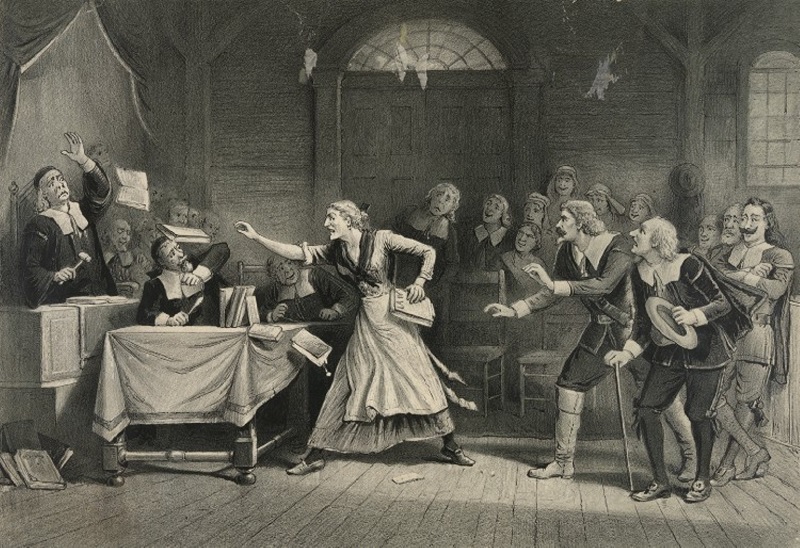
The accusations may be true, Although we know we’ll never really know, Because they’ll never come to court – So round and round the rumours flow. Is it slander ? Is it exposé ? We guess, but cannot know for sure, Though plenty tell us yes or no, And brand the sinners from the pure. Some will castigate victims, Sniffing lies or madness in their act – But others join the critical mass, Until the fatally-named are publicly sacked.
But us ? We must decide – To believe or to ignore ? There’s plenty point the finger, And there’s plenty keep the score. But are they not still innocent Until beyond a reasoned doubt ? Or are we so convinced That unproved testimony carries clout ? Is this then justice by the mob That surely always ends in tears ? Or are we now, collectively, The jury of their peers ?
Either we’re waking up to reason, Or else witches are in season.
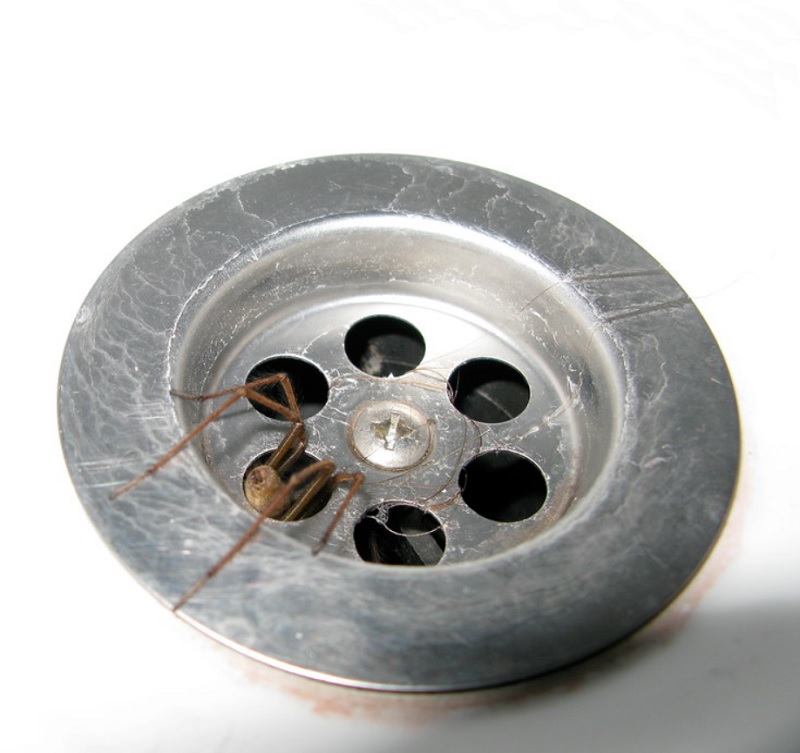
A year ago they built this flat, And only I reside herein. So how precisely is it that In just one year, my welcome mat Has ushered all these spiders in ? I’m not allowed to keep a cat, But pets a-plenty hide and spin.
Have they blown-in as eggs so soon, Or spiderlings on silk baloons ? Or hitched a ride upon a rat ? (I really hope it isn’t that !) Or did they creep up ev’ry stair I’m on the seventh floor, you know ! I’m sure they’re here – their webs say so !
“jellyfish – OED first citation, 1796 medusa – in this sense, 1752 sea-nettle – 1601”
What did we call the jellyfish Before we called them that ? Aristotle was the first To note what they were at – He called them akelephe In his mighty omnibus – While Pliny called them sea-lungs – That is, pulmo marinus.
At some point, they were likened To Medusa, with the snakes – So when Linnaeus crowned them that, He simply upped the stakes. But what about in English, From before the mighty Swede ? Shakespeare never mentioned them, Nor Caxton, Chaucer, Bede.
I guess those Middle Ages folk Just neither knew, nor cared – Though fishermen, at lease, you’d think, Would need to be prepared. Sea nettle, I suppose Could make the strongest claims, But hands that felt the stings were not The hands that wrote down names.
Yet surely they are tailor-made To populate in Hell ? It seems their nightmares missed a trick, When jellies did not gel. They kinda look like floating heads, (Though clearly going bald). Much like Cthulhu’s nameless ones, Who knows what they were called ?
‘Jelly’ entered Middle English between 1350-1400 via Old French, ultimately from the Latin root meaning ‘to freeze’. nbsp;’Fish’ is Anglo-Saxon.
Detail of tentacle of Physalia microscoped by Rob Growler. Each of those finger-like projections is considered to be a separate creature. Or perhaps each separate tentacle is a single zooid – there seems to be much confusion on this.
Life in the Colonies
What’s the plural of man o’ war ? ‘Men’, or ‘wars’, or stays the same ? (And why are you so Portuguese ?) All told, a silly name.
But scientists insist That you’re already plurals, each. That what we see are vibrant cities Washed up on the beach.
See, ev’ry egg, once fertilised, Divides in two, and two again, Until a little larva, sized No larger than a grain.
You then begin your budding, Popping clones that stay attached. So from a single egg, it seems, A hundred brothers hatched.
Genetic’ly identical, But not such dead-on ringers, Specialising as they do, As feeders, breeders, or as stingers,
Sharing nutrients and tissue, And even gender too, we note. And one (and only one) will swell Into a gas-filled float.
But are you really colonies ? So should we view your ev’ry clone As sep’rate creatures ? Even though That can’t survive to swim alone ?
Perhaps it’s the lack of a nervous system That makes you many, not one – But do your individual zooids Each have their own, or also none ?
If the latter, why are these animals, And not mini-colonies all of their own ? I guess the stingers at least must feel A sense of touch (though they act alone).
Infact, the latest research says That they do all communicate yet – Though less as a mainframe brain, as such, And more of an intranet.
So, much the same as your jellyfish-cousins, Which are single, the sciences agree – I guess it’s just a matter of degrees, And the whims of the arbit’ry.
It’s like you’re halfway between your single-celled past, And their unified future – If we look close, we can still see the joins, Though they’re barely more than a suture.
Victorians proposed their status, As best as they could see – And we repeat their holy writ, Afraid to disagree.
Now evolution is wholly unplanned, But teamwork is what wins the cup – Yet the scientists would round you down, Where I would round you up.
You’re just like us – we’re not so special, We’re all made of cells, For all we call in pedants To deny the parallels –
Especially when we realise That zooids cannot change their role – From stems, they are assigned a job for life, To build a greater whole.
That sounds alot like organs, doesn’t it ? Time we came to terms. For we began the same as you – A ball of cells, a swarm of germs.
So as for what we call you, Just what kind of things you are ? ‘Men’ or ‘wars’, it matters not – Let’s call you singular.
Perhaps the boffins have got it right, and syphonophores really are collectives and are fundamentally different from single animals like jellyfishes. But they’re gonna havta do a much better job of explaining it. So kudos to The Octopus Lady for her illuminating video which is the first attempt I’ve seen to actually ask the question “but why do we think these are colonies…?” Her answer – because although the zooids cannot survive alone, it is slow starvation that kills them (because they cannot feed themselves in solo), not biologiocal breakdown as would quickly befall any of our shed cells.This feels like a decicion based on no more than a gut feeling, and until it is quantified somehow, I don’t want to hear a peep from all of you factoid vomiters out there who just love a sneery “well, actually…”






 Rhyming Couplets