In Hollywood, in black & white, The private eyes come out at night – And always, it has rained that day, To douse the streets in glossy light. I wonder if the dames who slay Are better set when cars don’t spray, And lonely streets are not so bright, And P.I.s drink the dry away ?
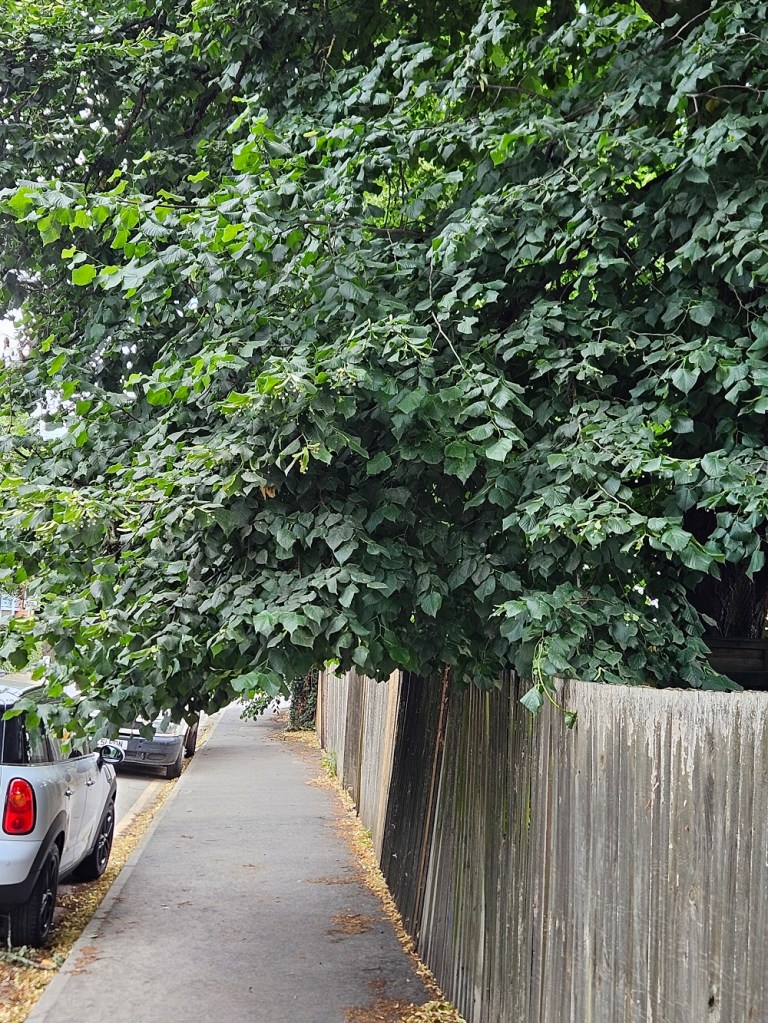
Low branches over pavements, Should I bob or step out in the road ? Who leaves wych-elms any which-how, Never pruned, and deeply downward-bowed ? Though less likely misbehaving, More likely negligence at fault. I ought to hack them off right now, But more than like I get done for assault.
Double-deckers punch right through, But my head has to duck beneath each stalk. It’s worse when it’s been raining, And I get a hairwash thrown into my walk. But appletrees, and conkers too, Are lack-of-headroom serial abusers – Lurking, swelling, for each braining – As the Autumn comes, so come the bruises.
“Upto 2000 artefacts are believed to have been stolen from the British Museum over the last ten years.”
– Curator’s Quarterly
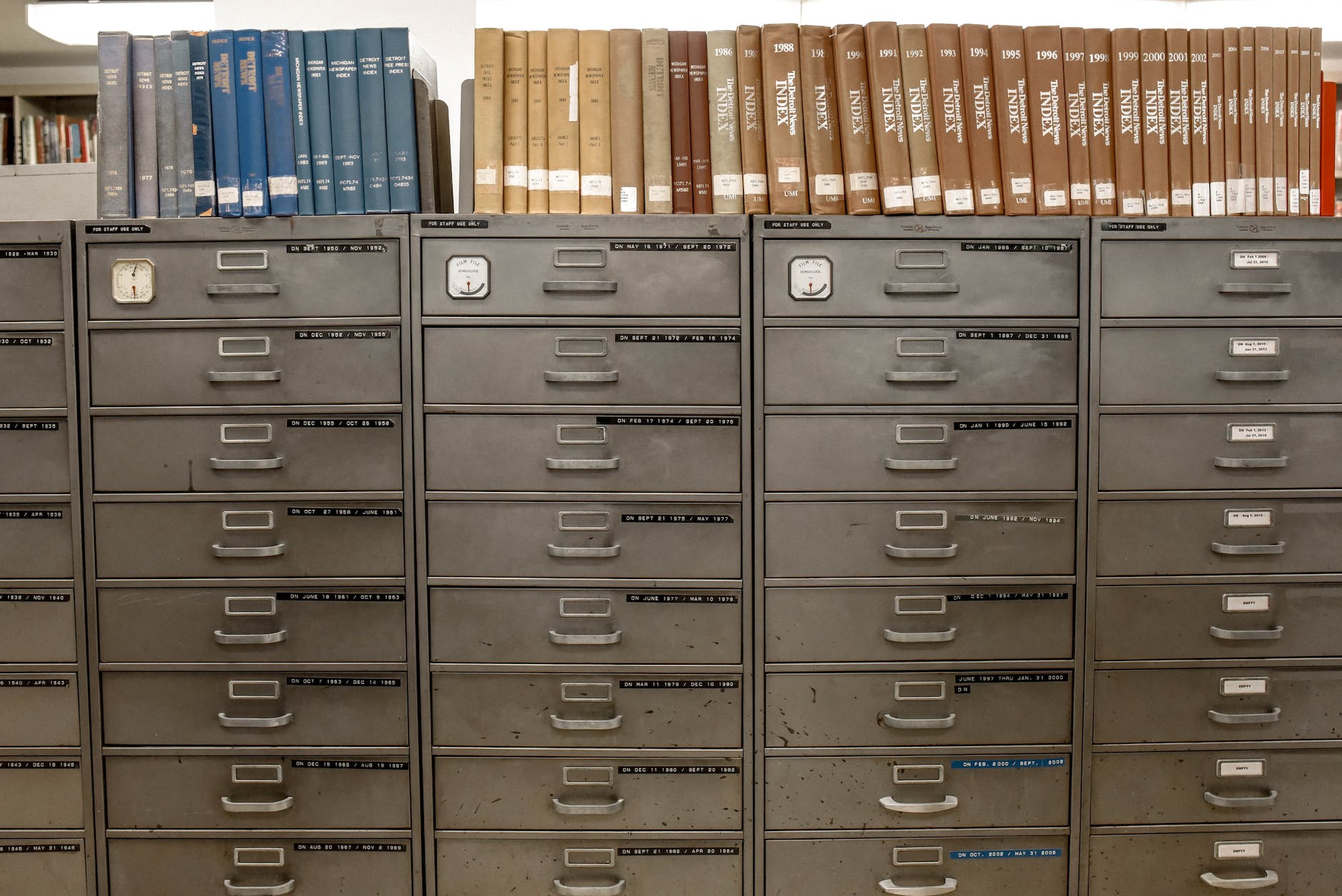
Five-odd million artefacts, Or maybe twice as many, Filling dusty drawers and racks, From Hull to Abergavenny. Boxed-up, stacked-up, locked-up long, With rusty coins and broken gems, And set by law to house this throng, Without the funds to open them.
Blame the politicians, Blame the thieves, Blame management as lax – But never blame the public who believes In paying less of tax. But no-one ever thanks us for The treasures we preserve, That otherwise get lost to war, Or buried in the earth.
Plenty on the left have sneered At colonial comeuppance While others on the right have cheered At wokeness not worth tuppence. And both have kicked the workers Who are overworked and underpaid, Because we’re just the lurkers In the basement, in the way.
They never cared before, Enough to fund the work they left to spoil – And still they will not thank us for Our centuries of toil. It’s others source the objects, We just clean, and log, and save – And that takes funds, and takes respect, And a culture well-behaved.
From Derek Niven’s Hollywood 11, To New York ghetto parks, Or taking over baseball diamonds For some old-school larks – Cricket can be found under the covers, Hanging out in nets, With scuffed-up balls and tied-up bats Amid ex-pats and vets. And even hosting amateur T20s, Though you’d barely know – The sixes fly into a void, The runs clock up so slow. As Argentina take on Norway By the overpass, With both teams full of Singhs and Khans Upon synthetic grass.
Is any sound more villagey Than the village pigeon‘s call ? But it’s now heard in the strangest places, Dawn to evenfall – With not a stile or thatch in sight, Atop the concrete wall, We get a hit of rural life Within the urban sprawl.
For even in the suburbs, in those tryhard-hamlets, Right on cue, The woods have flocked to join the rocks And brought along their coo. I wonder who now occupies their trees, Where up they grew ? Who next with wanderlust ? The city swine ? The urban ewe ?
Of course, their feral pigeons Have since long since paved the way – But their call is so disorderly And mumbled night and day. But how the chest of a country lad must swell In the urban grey, When a wood is proudly hooting And she has a lot to say !
Ev’ry poet, given long enough, Will name a poem this – Some to relish the Schrödinger’s title, Or one as subtle as a hiss, Others who simply forget to attach one, Or choose to leave it still undone, But ev’ry poet will try this bluff In the final analysis. Perhaps it’s there, but printed in white ? Perhaps they couldn’t think what to write ? Perhaps the only copy to spare Has suffered a tear, or a bookworm’s blight ? Or scratched into a wall, in rough, In some forsaken abyss. But now they sit unheralded upon the bustling page, With nothing to grab our eyeballs and engage – We’re on our own. They’re standing naked on the stage, Relying on their lines alone – Straight to business, no quick kiss To say hello and set the tone. Yet ev’ry poet, given long enough, Will give a name a miss.
Spiders are litterbugs, Leaving their webbing just hanging around. And yet, if one tugs, Then a derelict ruin is all that is found. Covered in dust, And discarded skins, and husks of meals – They raise our disgust With the waist that their indolent lifestyle reveals. Could something not eat this ? It’s all made of protein and going for free. Why do we dismiss Such a feast of spaghetti and gristle for tea ? Spiders are all blight Who wontonly turn all our corners to slums – But could not some dust mite Come sweeping up after them, feeding on crumbs ?
Once, all this was fields, Before the semis and the lawns – But their ghost still haunts the verges Where the stinging nettle spawns, The brambles form a makeshift hedge, The foxes keep the rabbits clear, And the accidental barley waits For the fresh suburban beer.
Once, all this was pasture, Till the Guinea pigs replaced the sheep – Yet deer still nibble round the edge, And moles have penetrated deep. The thistles form a pop-up wood, The owls invade the lean-to shed, And the reawakened barley waits For the local deli’s bread.
This straggly mess looks more like the cultivated variety’s disreputable cousin, Wall Barley. But even this is now being used as a food, and what can be more artisanal than that ?
Never trust an author who Addresses all his male cast By surname-only, first to last, As if he never even knew Their given-names. As though he doesn’t really like them, Tolerates at best the lot, It makes you wonder why he writes them Just to be forgot. And quite unlike his wives and dames, With whom he’s less superior, Yet overly familiar. There’s those who see these names we use As either/ors, up for review – One part sensible, one silly, One name functional, one frilly – Always others get to choose Which one that we must answer to. It’s strange, these different forms – We say the Hadley Cell and Beaufort Scale, And talk of how in FitzRoy sits a gale – It’s quite the norm. And yet we’re first-name-chummy with the devastating storms.
So never trust an author, Or a teacher, or a sergeant-major – Never trust a posh-voiced pager Barking surnames with a clout, Intent to order them about. Never trust a critic who ostensibly admires, Yet then only calls his heroes like some underlings he hires. And yes, I have been guilty too, Not wanting to presume a closeness Or an overly-verboseness In my always using first and last each time, just in case. But I hope I’ve never made the crime Of calling someone bluntly to their face – As if I owned the place ! And you can call me Mister, If you need to call me anything – Just like I talk of Mr Windsor when I mean the King. But why are we insisting on such old formality ? It’s just not me ! So even if we’ve never met, You all still get the same rapport – To call me by my friendly name – Cos that’s what our forenames are for !