
As she wakes to the wrench of the radio’s blare, She’s not there. As she tries to decide on the blouse she should wear, She’s not there. As she dawdles her breakfast of yoghurt and pear, As she spends all her morning with coffee and stare, As she foregoes her lunch for pilates with Claire, She’s not there. And all her afternoon that passes in her chair, And on the bus and on the train while fishing for her fare, And waiting at the checkout as she vaguely winds her hair, She is always and never quite there.
Soothe the fridge its fears of less abundancy, Let it know it must cut back its stocks. Tell the ashtray straight of its redundancy, Warn the sofa and the gogglebox. Brace the bathroom scales still anticipating weight: Notify them of reducing bulk. Rouse the bike and treadmill from their hibernating state – And disappoint the wine-rack – let it sulk.
Like waiting for Betelgeuse to go Type II, It’s coming – just watch the skies. Like waiting for rumours to bubble and stew, They’re coming – just watch the flies. Like waiting for baldness to creep up your skull, It’s coming – just watch your scalp. Like waiting for barnacles finding your hull, They’re coming – they’re lurking in kelp. Won’t be today, but could be tomorrow – Until then, I guess that we’ll just have to borrow.
Like waiting for inflation to claim its stake, It’s coming – just watch the pound. Like waiting for inter-tectonics to quake, They’re coming – just watch the ground. Like waiting for showers to water the drought, They’re coming – just watch the glass. Like waiting for nettles to sting where they sprout, They’re coming – they’re lurking in grass. Could be tomorrow, but won’t be today – There really is little more else I can say.
Like waiting for copper to turn verdigris, It’s coming – just watch the roofs. Like waiting for conkers to fall from a tree, They’re coming – just watch the youths. Like waiting for ebbaway tides to return, They’re coming – just watch the crabs. Like waiting for healing of blisters and burns, It’s coming – it’s lurking in scabs. Don’t ask me when, I’d say if I could – It all comes along in when it’s ready and good.
St. John the Baptist Church, Penshurst, Kent by Ttelyob (the font is 1400s)
An Offer I Couldn’t Refuse
I’m somebody’s godparent, somehow – She asked me herself, and I couldn’t say no. In church, I managed to not say the vow As I hung at the back while she went with the flow.
Nine years of age, she is – older than most, But she needed a place in a high-flying school So Sunday-on-Sunday, her folks take the host – Though they take it in turns, diff’rent weeks, as a rule.
Now, I don’t believe, and I don’t know if she does – And as for the others that circled the font, Perhaps it’s the thought that these children may need us That brought us to church for this wary détente.
So yes, I’ll be here if she needs my advice, Or a candle to light a dark night of her soul, And help her to see that her doubts are the price Of her learning from teachers instead of a scroll.
I hope that the vicar, when splashing her brow, Diluted her faith in the Word and the Trance. And left her beguiled by the magic of now, And the spirit of why, and the wonder of chance.
So I’m a godparent. I guess, come what may, I promised to help her to blossom and glow. I’m neither a god nor a parent, but hey- She asked me herself, and I couldn’t say no.
The days are so short, late of the year – Won’t you come on in ? When the sun is down, and the frost is near, And the gales begin. But there’s always a shelter under our gable, There’s always an extra chair at the table For any stray stranger who’s hungry, and able To pay us with only a grin.
The weather gets cold, this time of year – We’re chilled to the skin. It gets so hard to volunteer And rattle the tin. But there’s always a welcome here in our home To help turn the grey to polychrome, For unlucky souls who unwillingly roam, While the wheels of fortune spin.
The season gets busy, every year, And we just can’t win, With the thanks so small, and the price so dear, And our patience thin. But there’s always a place at the table that’s set For the unbidden guest coming-in from the wet, In time to remind what we often forget: That there’s always room at the inn.
Sometimes, presents are boring, And nothing more than a pair of socks, And they never thought to keep the receipt – So we leave them mint in the box. And next year, when we’re short of a gift, We cheat –
We pass the parcel, Round and round, Re-wrapped and tagged, And tagged and wrapped, Until a welcome home is found, Or else it’s broken, lost, or scrapped.
Sometimes, presents are boring, And nothing more than love and peace, And sparing a thought to live-and-let-live. So we leave them, tossed-aside and creased. But next year, when they’re short of them both, We give.
We pass the wishes, Round and round, Beyond the walls, Across the rift, Until the needed hope is found, Within an unexpected gift.
On the second morning afterly The Feast of Middle-Winter, I walked-out with my true-love Through the brittle lambent-glinter – I walked-out with my true-love Till our cheeks were flush with pinking, And I asked my wind-teased beauty To me whisper of her thinking. The said she thought of Crystal Jack, A diligent delinquent, Who caught the sun and shone it back As glistered-golden clinquant. I walked-out with my true-love ’Cross the sparkled, gelid loam, And so we warmed each other’s breaths Until the starlings bid us home.
On the Second Day of Christmas We rode out with the pack, And we galloped through the woods As we waited the attack. On the Second Day of Christmas We cast the braying hounds As they scurried for the scent And they ran the fox to ground.
So blow the horns and raise the cries, Let slip the hounds and shred the prize, And show to all your blameful eyes This menace needs controlling.
On the Second Day of Christmas We wished for peace on Earth As we hollered for the fox As we wrenched it from its berth. On the Second Day of Christmas As we cantered through the mud, And wished to all goodwill As we slathered for the blood.
So blow the horns and raise the cries, Let slip the hounds and shred the prize, And show to all your blameful eyes This menace needs controlling.
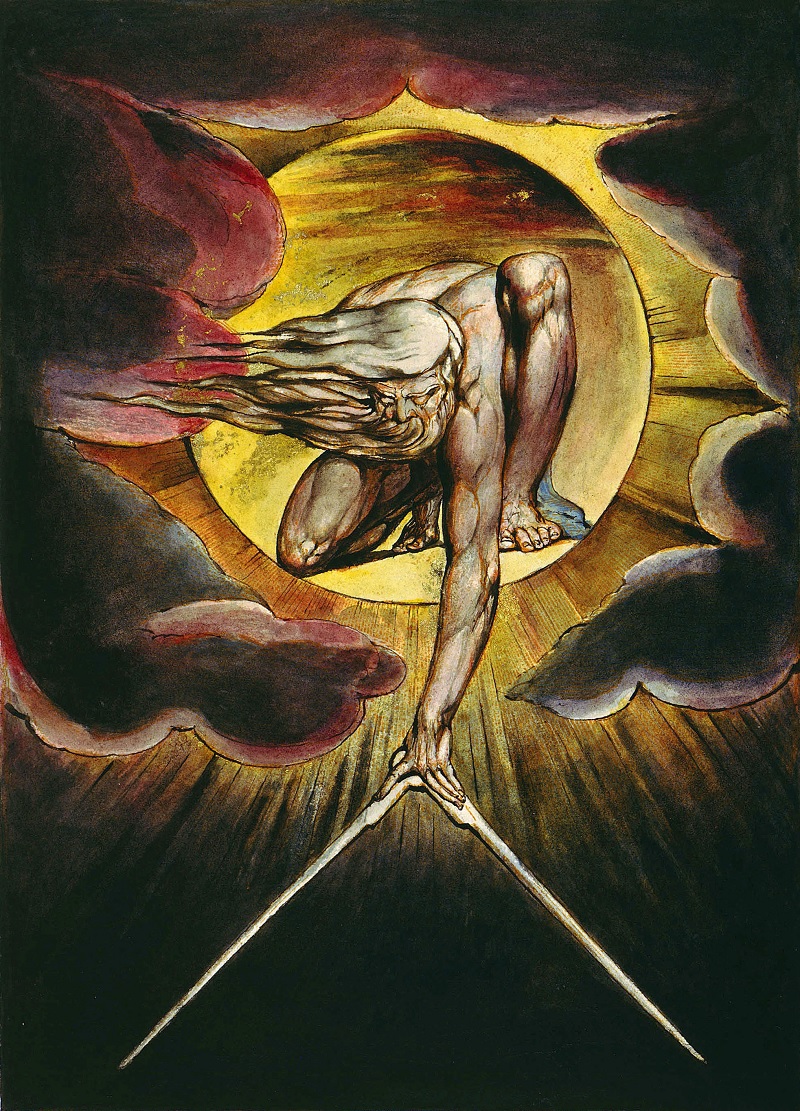
A child is born in dead of winter, Child to bring the summer in – He teases rainbows from the sunshine, Lets enlightenment begin. He brings us universal laws – For as above, then so below. He shows the path that we must follow, Teaches how the heavens go.
Brightly shines his star above In both his eyepiece and his eyes – His clockwork earth perturbs the sun, His motion never dies. He shows us how all things must love – We all attract and all obey. So promises the savant one Who’s born on Christmas Day.
A child is born in dead of winter, Child to set the world alight – He mechanises all our fluids, Magnifies the heavens bright. He stands atop the giants’ shoulders, Calculates the cosmic story – From the leastest fractions upwards, His the powers and the glory.
He wants to save the human genus From the couterfeiter’s haul. Apples are the fruit of learning – Worlds shall rise to meet their fall. He shows us how the warmth between us Never really goes away – Hark the one who keeps us burning, Born on Christmas Day.
Many sources cite Isaac as being born on 25th December 1642, while many others claim it was on 4th January 1643. Both are correct. At the time of his birth, the Julian Calandar was still in use in Britain, but the 10-days-ahead Gregorian had been adopted in continental Europe (and more to the point, by the modern audience reading those dates).
Likewise, the day he died can be shown as variously 20th March 1726, 20th March 1727, or 31st March 1727. So, firstly, during his lifespan the Julian had drifted to 11 days out (which accounts for the 31st March reference). And secondly, the official New Year’s Day in England was 25th March, thus 1726 ran from 25th March to 24th March (four days after he died) – but again, this is often retrospectively adjusted (or sometimes half-adjusted, changing the New Year but not the Calandar)
All-in-all, a curious mix-up over a man obsessed with orbits.