Nineveh and Babylon have crumbled into dust, Carthage, Ur and Jericho are pillars in the sand; Once they were such glories, true – bustling and august – But now reduced to legends and faint markings on the land. London, though, is still alive, still growing and unplanned, Not like dead Persepolis, where only mem’ry roams. Ephesus and Ashkelon are sinking, gust by gust. Luxor, Thebes and Memphis, now preserved in ancient tomes, Sumer, Sardis, Akkad and Knossos are unmanned. London, though, is standing yet, and just as grim and grand. Middle-aged, with stuccoed bays and stock-brick-golden domes; Humble tracks now avenues, from Oxford Street to Strand, Yet keeps forever youthful as it builds and fells its homes. Many structures barely make a century’s employ, Ere yet another edifice is raised upon its bones; And so King’s Cross and Bishopsgate, and Knightsbridge and Savoy Have thus by slow rebuilding changed their slates and paving-stones. Once an early city stood, whose name we still enjoy, But now that ancient London’s quite as lost as Kish and Troy.
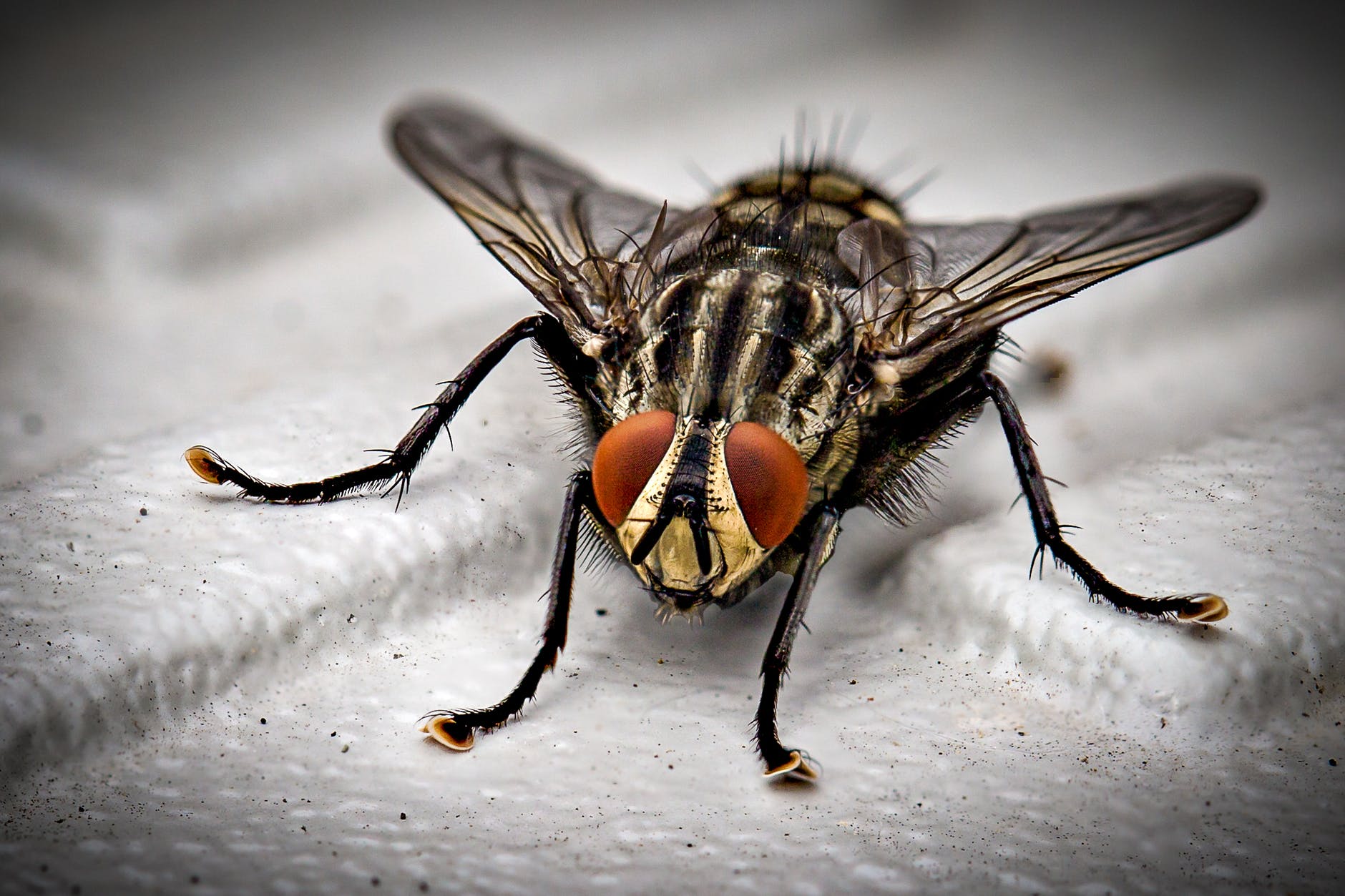
They came at first in ones or twos: Unseasonal, yet harmless. And with a swipe of printed news, I turned those lively flies to flews – A dextrous-forearm mess.
I turned those bottled-blueboys black, A stain upon the masthead group – An asterisk to heavy flack, An apt critique on pap and hack, This headline now a scoop.
But long before I’d reached the sport, I heard some buzzing overhead – And looking up, I must report, A dozen more of equal sort – The paper’s filth had spread !
With tabloid reciprocity And breaking news of utter trash, With gutterpress ferocity I blazed each fresh atrocity Upon my front-page splash.
The old man lay in bed and watched His body eaten to decay. How strong he’d been in his old day, How weak he was today, how scotched. How great his all-too-mortal fear, How much he’d give for one more year – He’d even sell his soul to get To keep it in his body yet – For even thought the end was near, He longed to ante-up for one last bet.
“Indeed ?” a voice replied at large In answer to his silent thought. “Perhaps the bargain you have sought Can be arranged, and free of charge. Yet not a miracle, alas, But biologic working-class – To give your soul an unfair bite, I bring a little hope tonight – For while it’s true all thing must pass, It passes slower for those souls who fight !”
detail from The Moneylender & His Wife by Quentin Metsys
Caveat Emptor
You need saving, I think, you need saving – I don’t know from what, but you need it, and I got it. I choose to lease myself as investment in your craving, (Though nothing gets refunded, as your credit-rating’s rotted.) You think I look expensive, and you think you can’t afford it – When your faith is unsecured, and your int’rest rate obsessed. With all emotions overdrawn, your hope is due an audit – Now you’re out of guarantee and about to be possessed.
Expensive ? Me ? Most surely yes, And very very dear – I will cost you ev’ry single thing, and nothing less – I will cost you all you know, and all that you express – Your ev’ry laugh and ev’ry scream, Your ev’ry try and ev’ry guess, And I will cost your ev’ry lie, and ev’ry truth sincere. Your ev’ry insecurity and neurologic mess – They all belong to me, you hear ? Mine is your perdition, absolution and confess, Mine the power to repress, Mine the power to redeem. I shall be your angel engineer, To grease your thread and mesh your gear, And shine your rusting soul with my caress.
You need saving, I think, you need saving – God knows as from what – you don’t know it, but you’ll get it. I choose to bond myself upon the markets that you’re braving, Expose my soul to risk until we’re equally indebted. You think I look expensive as I gilt your fraying edges, But you’ll enter into contract on my exponential sureties. My platinum promissory shall underwrite your pledges As you finally take stock of all your life-assured securities.
Dizzying ? Me ? Forever yes, And very very sheer – I shall cost you ev’ry single thing that you possess I shall cost your ev’ry hope, and watch them coalesce. Your presentide is mine to gleam Your morrowment is mine to bless And though I know this terrifies, I’ll help you persevere. For mine shall be your ev’ry waking thought and sleeping dream, Mine your ev’ry failing scheme, Mine your ev’ry sweet success. Guilt and joy and lust and fear – They cost far more than money mere, And these are how you pay for me – by bushel, peck and ream. And then, what is more, I press My darling with an added stress – For not just shall you suffer this to give your love supreme. But see, you must attend my tear – For like you, I too revere – So now you must accept the very same from my extreme. Give my passions safe address, For we are quartz, my love, and we are steam.
I intended this to be a metaporical contract near the start of a relationship where one side is saying that they will monopolise all of the other’s attension, but when shown to friends they saw it differently – one thought that it was some pretty hardball divorse negotiations, while another saw the narrator was money itself. Hey, if these work for you, have at it.
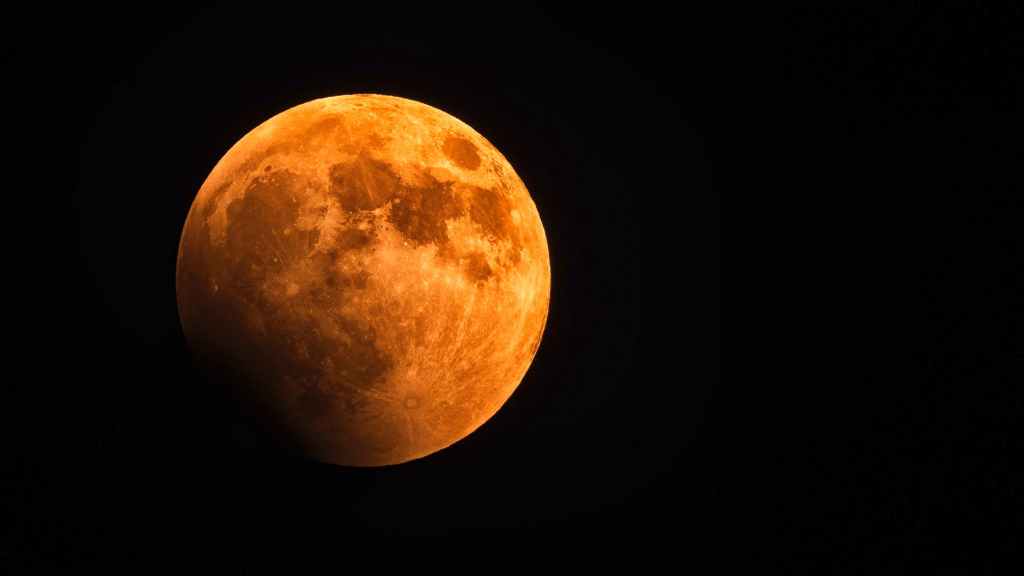
Last night, there was a blooded moon, Eclipsed at perigee – For once the clouds all stayed in bed, And let her wander free. She slipped into totality At just passed half-past three, She must have made a pretty sight, But one I did not see…
I chanced awake at ten-past two, And saw her dimming light, But didn’t stay to catch the show And soon bid her goodnight. I woke again long after dawn And knew I’d chosen right: For all the views across the news Make such a pretty sight !
Poetry is ev’rywhere, Ev’ry day has rhymes to share, Ev’ry one has verses lurking, Ev’ry chance, the words are working, Headstones whisper epitaphs, Letters to the Telegraph, Dylan lyrics, hip-hop crew, Aides-memoire and billets-doux, Nurs’ry rhymes and wishing wells, Playground chants and magic spells, Proverbs old and riddles vexed Advertising copy text, Couplets quoted from the Bards, Purple prose and greetings cards, Epigrams and tetrastichs, Cockney slang and limericks, Lear, Milne and Tennyson, Lennon, Carroll, Chesterton, Milligan and De La Mare, Poetry is ev’rywhere.
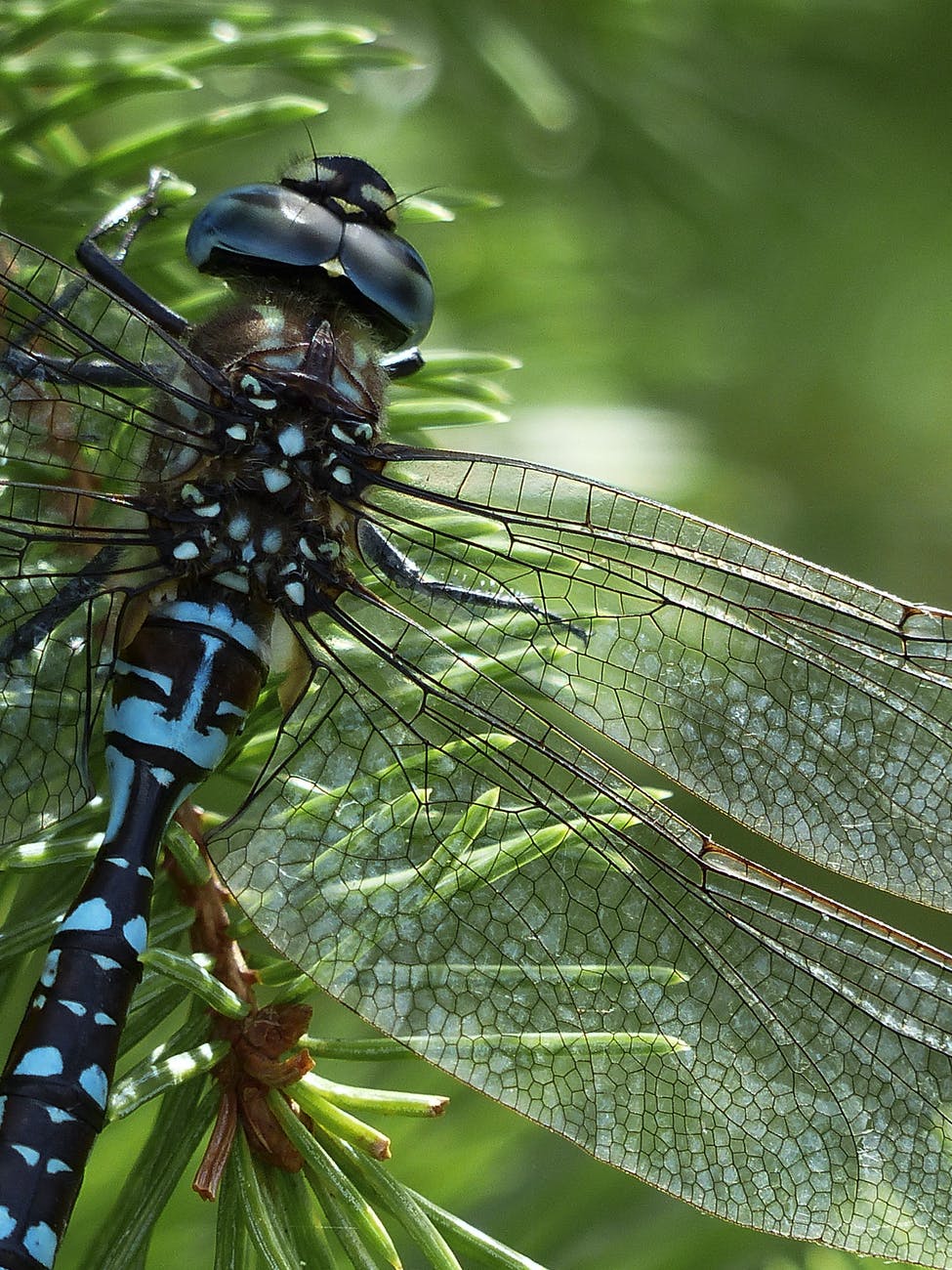
Zigger-buzzing, flitter-flying, To and fro and fro and to – A dragonfly is zagging-by, His body shiny-new. Ready for the slaughter, With his goggles on and paint-job dry – For three years, underwater, He has somehow learned to fly.
A fighter jet, a microlight, With wings of cellophane – Drunk yet nimble in his flight, He circles round, and round again. A regal blur, a day-glow streak, Who never rests from his deploy – But when he does, he’s plastic-sleek: This summer’s latest toy.
I meet him, though, in hot July, Some distance from the river bank. So jealous in his patch of sky, He watches for a rival’s flank – But they won’t come, and neither will The ladies that he’s longing for. So here he is, patrolling still: A soldier who’s misplaced his war.
So many books and films and plays, So many greats of music and art, Loved by so many, lauded with praise – So why do I still feel apart ?
Why do these classics not fill me, When millions burn with the hope that they give ? Why does their beauty just chill me, When millions grab them as reasons to live ?
No. Don’t brood. I also feel, Though diff’rently from all of this – But I am just as sharp and real, And I deserve my share of bliss.
And sometimes, yes, I find a voice To tell me I’m not quite alone. This pickiness is not my choice, It’s just the way my brain has grown.
So many books and films and plays Are doing their jobs, and doing them well. I wish them luck, on our sep’rate ways As I pray for one to cast its spell.
I have no dark and stormy night To tell you of today, I have no thoughts on changing light, Or rhapsodies to birds in flight, Or need to set the world to right, Or clever words at play. My pen is dry, my powder shot, My musings down to diddly-squat, I’ve written ev’rything I’ve got, I’ve nothing left to say !
But say it still I shall, I must, I will, despite a lack of thrust And wearing out your patient trust. I wallow in my nothingness Until I’ve said it all. And when I have – I know, I fear, My chaff is trite and insincere. It’s time to get well out of here, Before I scrawl another mess Upon another wall.
But never mind, I know my brain And how it ebbs and floods. I shall have things to write again When westwards points the weathervane, And dust is quenched in Summer rain That shoots the darling buds. And all this time I go without, There’s movement still within the drought As seeds blow in and wait to sprout To yield their crop of spuds.
I do not know the when or how There grows some fruit upon the bough, But hark, I hear a rumble now… There’s water rising in the wells To wash away this clot. I sense their sound, their breath, their key, The ground is trembling under me. I know not what their form shall be, But ballads, sonnets, villanelles – I’ll write the bloody lot !
What a bastard, What a bastard, What a bastard: Tommy More. Saint he is, exemplar fellow, Philosophical and mellow, But no pussy lib’ral yellow – Heretics, he is the law ! Not a bit like Tommy Wolsey, Tommy More will hear each prole’s plea – Takes their lives to set their souls free – He’s the Torture Chancellor. Got a Bible ? What’s it chattin’ ? Better be in God’s-own Latin; If it’s one Bill Tyndale’s shat in, You are for the stake, for sure.