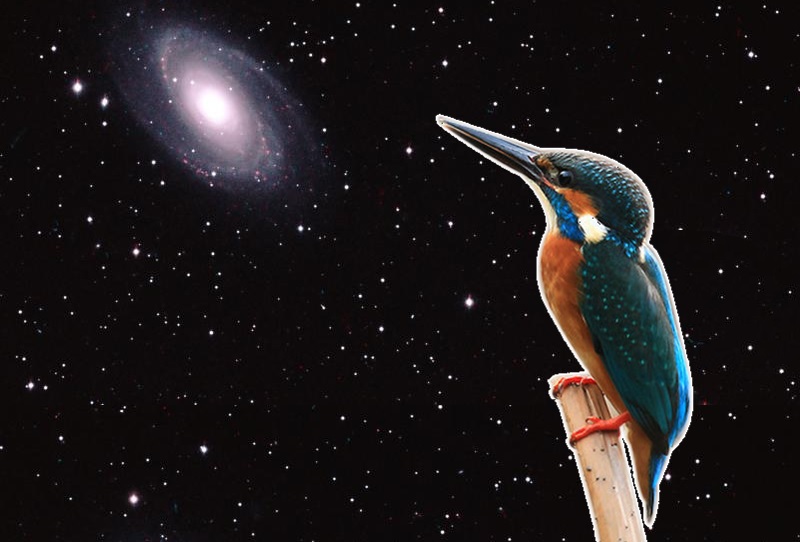
OO is for Hoopoo, U is for Duv, O is for Swon and for Folcon, my luv. H is for Wooper, F is for Chuff, Z is for Fezzant, and pritty enuff. N is for Natcatcher, K is for Kwail, J is for Pijjon, who’s bringing the mail. I is for Ider, R is for Ren, T is for Tarmigan – ta-ta, my hen.
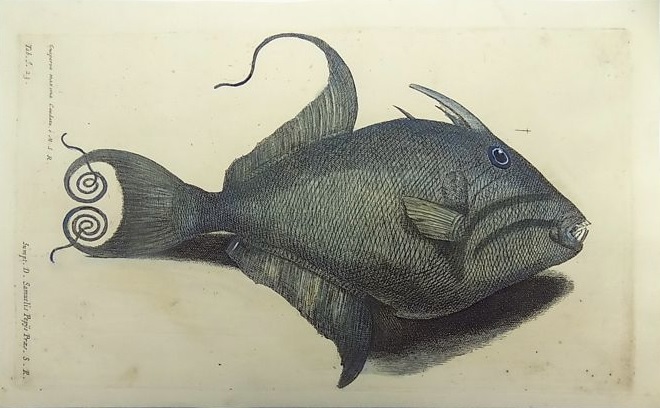
Amazonian Guaperva Fish by Francis Willughby (at least, I think he did his own illustrations).
Fishes & Physics
Gentle Francis Willughby, To best of his ability Has written us a thriller – see, The History of Fish ! Illustrated lib’rally, Meticulous and jibber-free – No charlatan or fibber, he, But honest, if not swish. The Royal-dubbed Society Have praised his work most high and free, And published with propriety His dense and hearty dish – Examining their parity And countless similarity, To classify with clarity Each finble, scule and gish. His work will lead inex’rably To Karl Linné’s complexity And Darwin’s sexy theory That the bishops try to squish – Yet mocked in perpetuity, His book an incongruity, For lacking the acuity Of Newton’s masterpiece – His grandiose Principia, That makes the heavens trippier And gravity much nippier, Is straining for release. But things are tight financially, With profits down substantially And Newton sees his chances flee Despite the Fellows’ wish – They cannot foot the bill, you see, The budget’s blown on Willughby – But don’t show Frank hostility, He’s not so queer a fish.
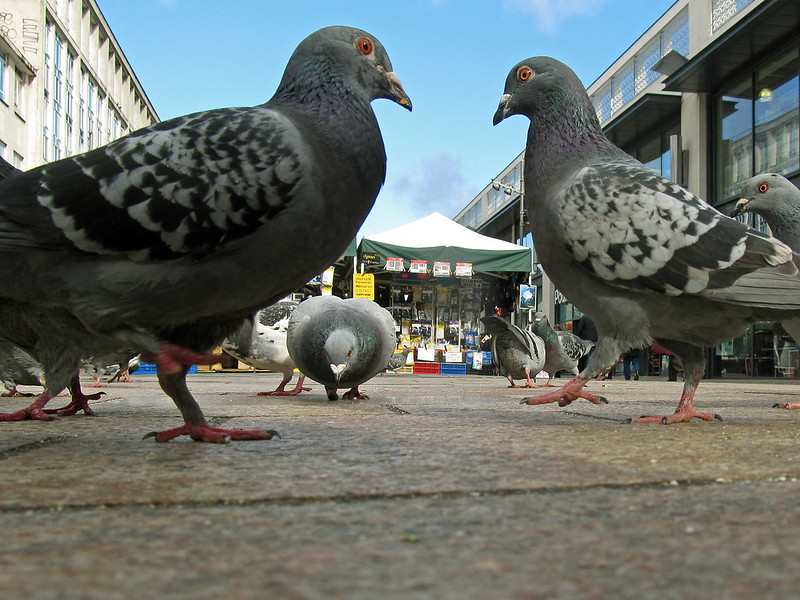
“Let’s count the pigeons !” That’s just what she said, As she pointed out a trio pecking pavement up ahead. One was grey and one was blue and one was sandy brown – “I bet we get to fifty by the other side of town !” So hand-in-hand, we kept the tally, Up the street and down the alley.
“Let’s count dandelions !” another time she said, As she pointed out a golden host within a council bed. Some were buds and some were clocks and some were full of roar – “I bet we find a hundred round behind the superstore !” So side-by-side, we kept on counting, Till we reached the mouldy fountain.
“Look at all the wrigglers !” on a rainy day she said, As she pointed out the molluscs that had made us watch our tread. Some were black and some were brown and some were rusty nails – “I’ll count all the sluggies up, and you can count the snails !” So one-by-one, we kept the score, But I forget who had the more.
“Look at all the people !” on a sunny day she said, As she pointed to the crowds that loitered while the man was red. Some were old and some were young and some were inbetween – “I bet we see a dozen more before the beeps and green !” So back-to-back, against the crush, We totted up the lunchtime rush.
“Look at all the pigeons !” just the other day I said, As I pointed out a posse crowding round a crust of bread. Some were fat and some were thin…but none were worth her gaze – “Oh dad, you always say that when we meet on access days.” So that was that, no longer fun – Our number-taking days were done.
The Rhinoceros by Albrecht Dürer, though don’t ask me if it’s the right way round.
Dürer’s-Rhino Syndrome
Toothy-mawed pteranodon, A stegosaur who drags its tail, Old T-Rex with no feathers on, Dimetrodon with a humpy sail – However much they’re wrong, At least they never hem or hedge – They’re always big and bold and cutting edge !
Pity the paleo-artists Who bring these skeletons to life, Who are the public midwife To a thousand playground dreams – No sooner have they started, When a fossil or a paper Is transforming facts to vapour And is picking at the seams.
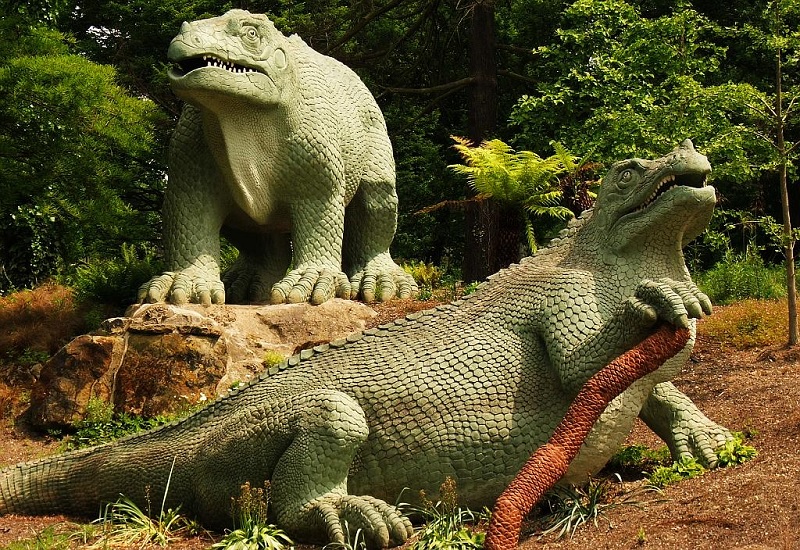
One day, in a century, They’ll laugh at our sauropods For not swimming in the sea – No wonder how they look so odd… No matter how carefully We draw iguanodon his thumb, We are the Crystal Palace beasts to come.
Pity the paleo-artists, Their work is only for today – For if they don’t give way, Then their errors just persist. But don’t be brash or heartless – Their legacy is in the seeds That captures, stimulates, and feeds Each future dino-tologist.
Crystal Palace Iguanadons, sculpted by Benjamin Hawkins, photographed by Jes
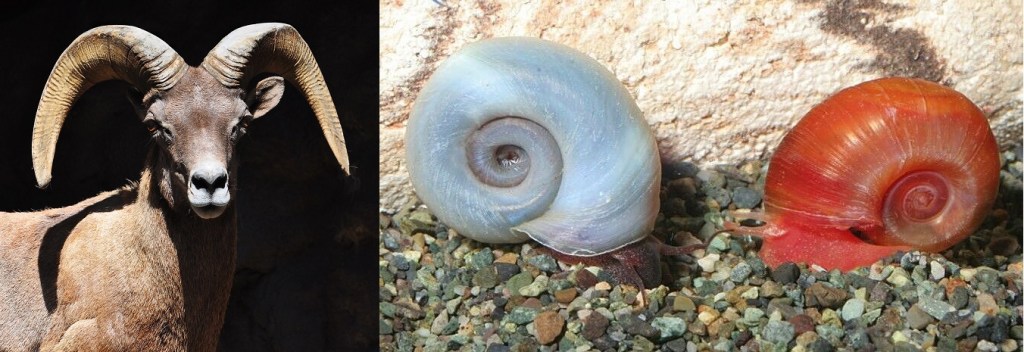
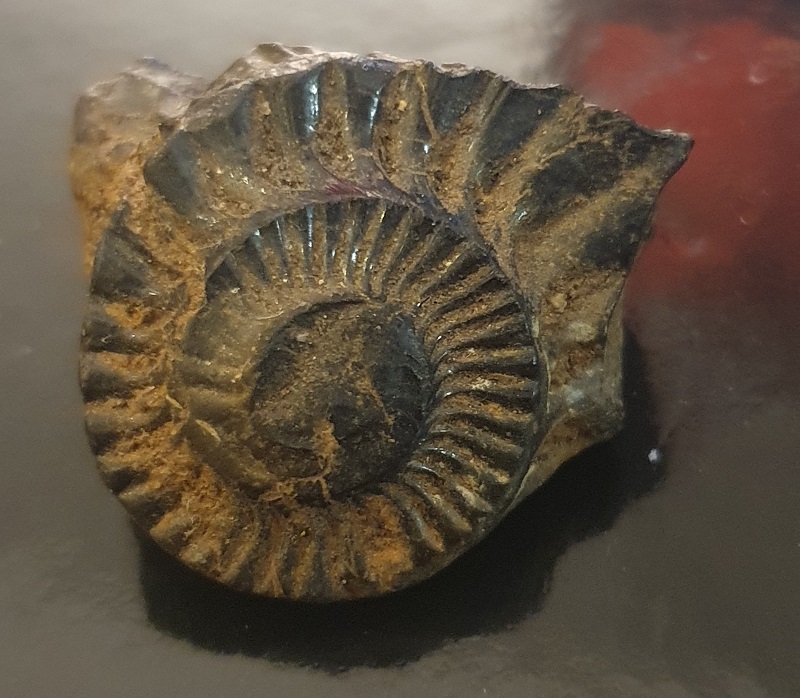
I found a fossil in the park today – An ammonite in iron grey, Hardly rare, this type of fare, They get found in their scores – They all died by their millions Till they died with the dinosaurs.
But all the rock round here today Is built on London Clay – On the scene in the Eocene, With its lush and tropic shores, Yet laid down some ten million After the end of the dinosaurs.
I guess the path on which it sat Was older than all that. I guess its gravel had to travel From who knows where, of course – He’s an immigrant, like the millions Coming here since the dinosaurs.
Though I suspect it’s less of an ammonite and more of a snail.
Alas, I have been unable to uncover the artist of this painting
Neoteny
Axolotls, axolotls, Uncorked from the strangest bottles – Ask a little, ask a lottl, I’ll explain it in a jottl. Giant tadpoles, stubbly legs, Just juviniles – yet still lay eggs – And having reproduced, each pup Shall cease all thought of growing-up. Their smiley mouths and baby faces Compensate for stymied stasis, (Never coming out as planned, And never walking on the land) – They’re salamanders who meander Never wanting to be grander. While most life is lived full-throttle, Time stands still for the axolotl – For whether it is dumb or clever, They make childhood last forever They quite refuse to lose their frills And put away their childish gills, They keep a fin upon their back And regrow any parts they lack – They do not blink at staying kids (Because they don’t develop lids). Yet with a shot of iodine They can achieve their tiger’d sheen, They can equip with tooth and lung – Yet living fast means dying young, While staying in their pond long-term Shall bring the everlasting worm. So golden, pink, or brown-with-mottles, That’s the facts on axolotls !
This poem is my attempt to write a bit like Ogden Nash. I’ve also addressed neotony in insects over here.
February, when the end of Winter Greets the first of the start of Spring – And what better time for the ravens to be mating, For these early birds to be doing their thing ? Valentine ravens, tender and dear – They’re mating-for-life for year after year.
Coming out of the edges of the wilderness, From the Northern moors to the middle-class downs – Now nobody persecutes their loving anymore, So they do it in the open and they do it in the towns. Valentine ravens, cawing their love – A far better symbol than a bear-cub or a dove.
Big and brash and loud – so loud ! All whooping, splashing, strutting proud, And never just the one – but with a crowd ! Filling cities, wrecking peace – Beware, my goslings, Canada-bred geese !
And yet, they’re clearly here to stay Through wet and winter, come what may, When many native birds have flown away. They’re down to earth and on the rise, Their flying-Vs patrolling cloudy skies.
The parents grub and labour much While taking turns to mind their clutch, And grazing grass that locals will not touch. Gregarious by flock and gaggle, Proudly waddling with their native waggle.
They are our future, anyhow – Americans, yet British now, As British as a plum or Friesian cow. Though black and brown of feather, true, Their spirit sports the red, the white, and blue.
Cats crop up in poetry Like they do in neighbours’ kitchens, But when it’s time for serious, They’re nowhere near to pitch in. They haven’t time for heavy metaphor Or mopey musing – And earnest stream-of-consciousness Will send them straight to snoozing. But crack a smile and shake some wit, Or balladeer some derring-do, And lapping up the limericks, Here comes the kitty-crew: Pepperpot and Sootikin, The tyger tyger in the hat, Macavity and Pangur Ban, The owl-loving pussycat, In nurseries and nightclubs, In the scary and absurd, We’re sure to stumble over them Wherever words are purred.
Poison and venom – the diff’rence between them Is pedantry. Biologists may take exception, But only they should. Most of the rest of us navigate life Quite pleasantly With a definition that’s still close-enough To be good.