One deer, two deers, That’s how or should be – Mixing with the fishes and the sheeps. Red deers, roe deers, Two-by-two, or sometimes three, If fallows really are at home for keeps. Muntjacs and sikas, Followed fallows over here, And water deers are plurals now, it’s true. For us native speakers, We won’t raise a pedant’s tear If all of them get ess – and mooses too !
Steadfast and pervasive, From its bases out of Cockney mouths, Across the South, and heading North, Until it’s passed the Firth of Forth. But out here in the town of Bath, A person’s class can’t half be grasped By how that very name is rasped – In the lingual aftermath. Though still it’s a disaster, lad, It’s bad, and sad, and maddening – Though gladdening that ays are stronger When the traps are sprung for longer. Slathering from out our lungs, A psalm to answer rank or shah – This split is cast upon our tongues, To dance the Mardi Gras.
The use of ‘ays’ in the poem is a reference to multiple copies of the first letter of the alphabet.
I notice that the London version of this vowel is steady taking over the West Country. Perhaps the decades of racist ridicule that its accent has suffered has subconsciously hot home ?
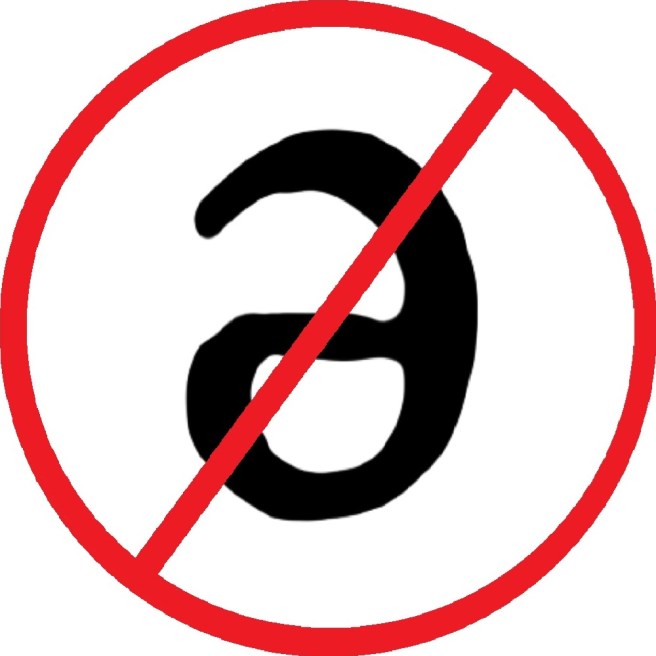
Phoneticians claim there is a diff’rence, But it’s lost on me. The sounds they make all sound the same in this sense, But they disagree. I’ve always found I put my putts in as I should, With no mishap. They ask me how I say ago, but that’s no good, It’s all a TRAP To make me cook my FOOT-ing – but I got away With other sounds – And though unstressed, my parrot has a LOT to say, My MOUTH abounds. I have no schwa, yet they insist I’m nothing but, And lack the other. That’s the wrong way round – my STRUT vowel loves to strut – So hear me brother !
Dun’t be tut-tut muttering, And shut-up huff-puff stuttering, Cos mums and bucks and toughs and loves, Come cut-a-rug just uttering ! Our skulls are humming, bloods are drumming, You can’t smother us now, guv. We sure ain’t parlous cos we’re schwa-less, Under and above !
English’s attitude to accents is curious – I don’t mean Geordie and Scouse, But those sprinkles of furniture that turn pedants furious When added (or not) to the house. A déjà vu of coördination Or über-pretentious clatter ? A naïve façade in over-citation, Or a stick to beat the piñata ? In a language with only a nodding relation With sensible phonetics as this, Then it hardly matters if most of the nation Give this foreign decoration a miss. With English, their rôle is recherché at best, For all some writers may covet – In English, they just make the page look stressed, And I doubt they’ll ever be belovèd.
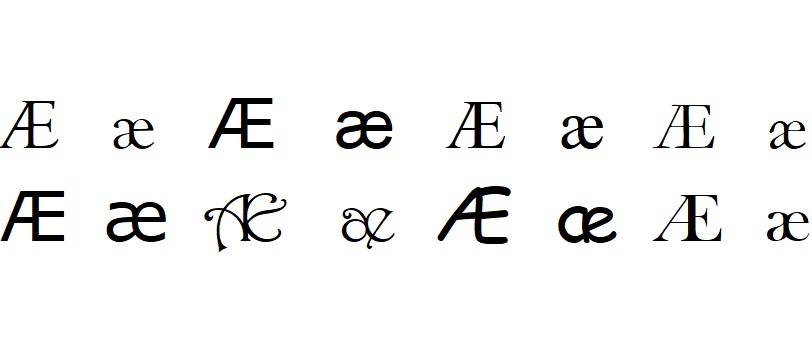
An A and an E, glued together, But why ? So how are we meant to say it, this guy ? Best leave it alone for Danish and Latin – Round here, we don’t need our A’s to fatten. Save ligatures for when we’re putting a sign up – Though why do the crossbars never quite line up ? All-in-all, it feels so confused And æsthetically ugly – oh, that’s where it’s used !
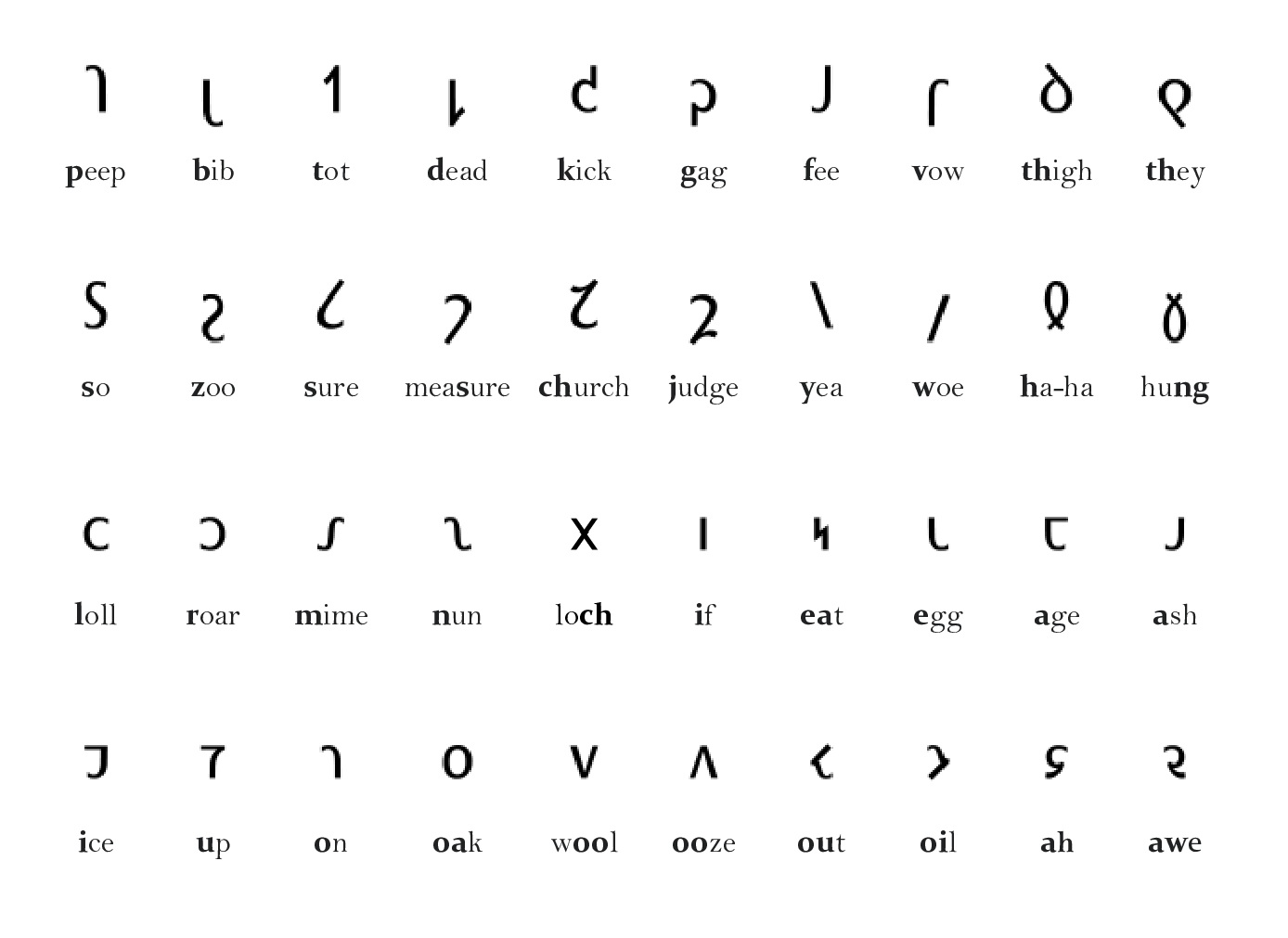
Fonnëtick Inglish ? Wots the poynt ? But its a lahf, I gess. The trick tu this hol spelling gaym Iz keeping things abowt the saym. The needlesly bizärr will just disjöÿnt, A kays ov ‘morr iz less’, So dohnt bee oeverly nuröttick, Just giv hints ov the exsötick. For instans, difrent things ar dun For singul-sillabulz – It helps keep wurds the morr fammïlyer, Stops things getting even sillyer. But in the end, its just a bit ov fun To mayk sum nurdy roolz. I dohnt intënd tu laber it – My spelchecker wuhd hav a fit !
You can’t understand a word I’m saying That’s okay, let me sing it all again Tu ne peux pas comprendre un mot que je dis That’s okay, let me try to explain Du kannst kein Wort verstehen, das ich sage But I’m sure I can make my meaning plain Non potes intelligere verbum me dicens But no communication is in vain
All we need to do is turn the subtitles on Activer les sous-titres Schalten Sie die Untertitel ein Conversus in sub textu And we all can get along And sing the same song in our own way Because we all say Yeah and Okay.
I don’t know why the wilderbeest Deserves a second name – Of all the cattles, he’s the least From a European frame. We don’t see herds of wilderbeests In the hills of Tuscany, Or sweeping down from out the East To the beaches of Torquay.
I don’t know why he has a G That is and isn’t said – These grammar rules are traps for me, Like cowpats where I tread. My tolerance for the dear gnu Is very nearly full – So whether with one beat or two, He’s a very silly bull.
Double-A in English ? Well, that can’t be right. What are we to do with this alpha-oversight ? A whiff of the exotic, though who knows from which address ? So how do we pronounce it ? I guess we’ll have to guess. It looks a bit Old-Testament, like Baal the Canaanite, Although surely ancient Hebrews had a diff’rent way to write ? With diff’rent letter-forms, and with not-a vowel included – Whoever chose the spellings in the Roman was deluded ! With a single-A that’s long and a double-A that’s short, Spelling things in English shouldn’t be a tricky sport… Our batteries are flat and our gearboxes stall – So we need to gain sobriety, but just who can we call ?
Infact, the double-A in Hebrew loaners are probably a relic of a slight ‘h’ sound between them, splitting them into two separate syllables. The Greeks, when translating the Bible, had little use for mid-word H’s, and eventually the sounds merged (though not the letters, because as everyone knows spelling must remain fossilised). See also Aaron.
And yes, I am aware that Aardvaark is usually spelled with only three A’s, and I’ve decided I don’t give a toss. Maybe Afrikaans pronounces ‘aar’ and ‘ar’ differently, but nobody in English does (hence the difference (and lack of difference) between Haarlem and Harlem). So if you are happy being silly in the front half, then I see no reason to get serious with the aarse-end.
Ev’rybody, get an offence to take, You too can be just as special – Your very identity’s at stake, And now you are such a delicate vessel. All the cool kids are getting upset, While words are being redefined. Remember, the world owes you respect To spare your innocent mind.







 Rhyming Couplets