
West Country R.P.
Ev’ry -ing is singing,
And ev’ry plosive plodes,
Arrs are round and rhotic –
But not to overload.
Vowels are never clipped
And haitches never drop –
Ays are broad and classy,
And glottals never stop.
West Country R.P.
Ev’ry -ing is singing,
And ev’ry plosive plodes,
Arrs are round and rhotic –
But not to overload.
Vowels are never clipped
And haitches never drop –
Ays are broad and classy,
And glottals never stop.
The First Emoji
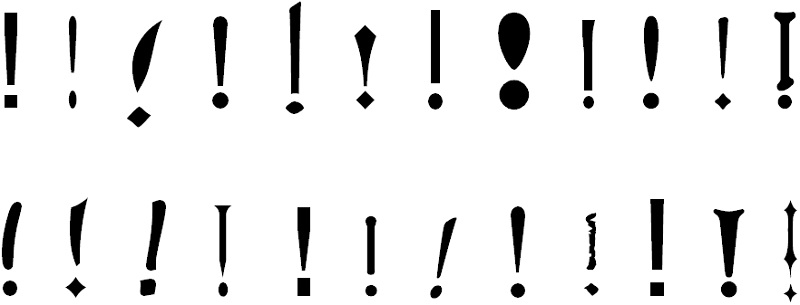
Exclamations !
Provocations !
Explanations of excitations !
Some would say they’re overused,
I disagree.
Some I note refuse of late
To punctuate their poetry –
Not me !
Word elations !
Ejaculations !
Indications of stimulations !
The Spanish use them twice as much
¡ Caramba !
But are they just a crutch, dead weight ?
Let context state the mood and timbre –
Let our poems dance the samba…
Celebrations.
Expectations.
Declarations without notations.
They feel as if they’re lacking, now…
Too calm and bland.
They need to somehow demonstrate
The extra fate at their command,
And make a stand !

Catphrases
Yes, I remember Egbie Corner,
A girl who made a strange kind of sense –
Let me tell you, before oldtimers’
Robs me of my stream of conscience.
I hope my memories will pass mustard
And wet your appetite for more,
And not be spinning an old wise tale
That’s just a damp squid of a prize pub boar.
But way back in the mist of things,
When we never knew what’d come down the pipe,
We were biting our time on tenderhooks
In a doggie-dog world that was oven-ripe.
My hormones back then were rabbits in head-lice,
Rebel-roused by mixing-my-toadstools fever,
When news of Egbie spread like wildflowers –
And I had to meet her to disbelieve her.
Cos she wouldn’t be taken for granite,
She was no social leopard or escape goat –
Yet to all intensive purposes,
She squeezed-out logical sound from my throat.
It wasn’t as if she were scandally clad,
But she stripped my tongue to its birthday suit
The response she’d illicit was hardly her fault –
But given her affect, the point is mute.
She had free range with her daring-do,
Which left me boggled-down and run through the mangle.
But cutting to the cheese – on the spurt of the moment
That night we learned it takes two to tangle.

Who’da Thunk It ?
Verbs in English are really German
In how they like to behave –
Especially when irregular,
Which helps explain how give gives gave.
So when a Norman interloper
Such as catch is gadding about
Well, either its past sees it catched up in logic,
Or its sneaky imitation has caught us out.
The way they are is how they evolved,
And they’re simply something that must be learned.
Yet even today, the strong turn weak,
As learnt is ousted by the friendlier learned.
Snuck may have sneaked in recently,
But verbs have become less fraught –
Where once they flied-out and grandstood, now
Their work’s less overwrought.

Latin Plurals
Once we had foci, but now we have focuses.
English loves plurals that all end in esses.
Now, fungi and cacti are still in transition,
Though not hard to see how conformity presses –
The stylus of changes points only one way,
From styli to styluses – esses must play !
Vortexes sweep aside vortices yearly,
(Though axis-es point to a step-too-far, clearly,
And rhinoceroses are horrible messes
If pluraled-in-full with their too-many esses.
(And okay, they’re Greek, with their own rules for doubling –
But that’s just the point, it’s just not worth the troubling !
And how these same pedants are rather less eager
For two Doppelgänger or seven Blitzkriege)
Now look out for medias, datas and dices –
For surely the way of agendas entices,
And singular specie and crisie are coming –
So sneer all you like about downing and dumbing,
But language is fluid, and speakers make guesses,
And boy !, our collective subconscious loves esses !
I suppose I have to address the octopi in the room…
And before the pecksniffs start “well, ackchooly”-ing, yes yes, I’m fully aware that octopus comes from the Greek, not Latin, and therefore it’s ‘correct’ plural is not octopi, but octopodes – but why then are you pronouncing it OCK-toe-poads instead of the ‘correct’ ock-TOP-oh-deez ?
But anyway, you’re all wrong – the ‘correct’ plural for octopus is octopuses – you know, because we’re speaking English and all…

I Believe in ‘Yesterday’
‘Yesterday’ is spoken ev’ry day,
It’s just another word we say,
It’s not pretentious, trite or queer.
So it’s a yes to ‘yesterday’ –
But very much a no-damn-way
To ear-and-bile-molesting ‘yesteryear’ !
Future Habitual
At some point in the future,
I would have laboured ev’ry day –
I would have gone to work and back,
Is what I would will say.
But further in the future,
I would have been retired by then
(But not yet will have go to God),
And I can would be looking back
And I will wondered yet agen
At how such phrases once will sounded odd.
The Future Habitual aspect is a clause of speech that linguists insist does not exist.
Toxic
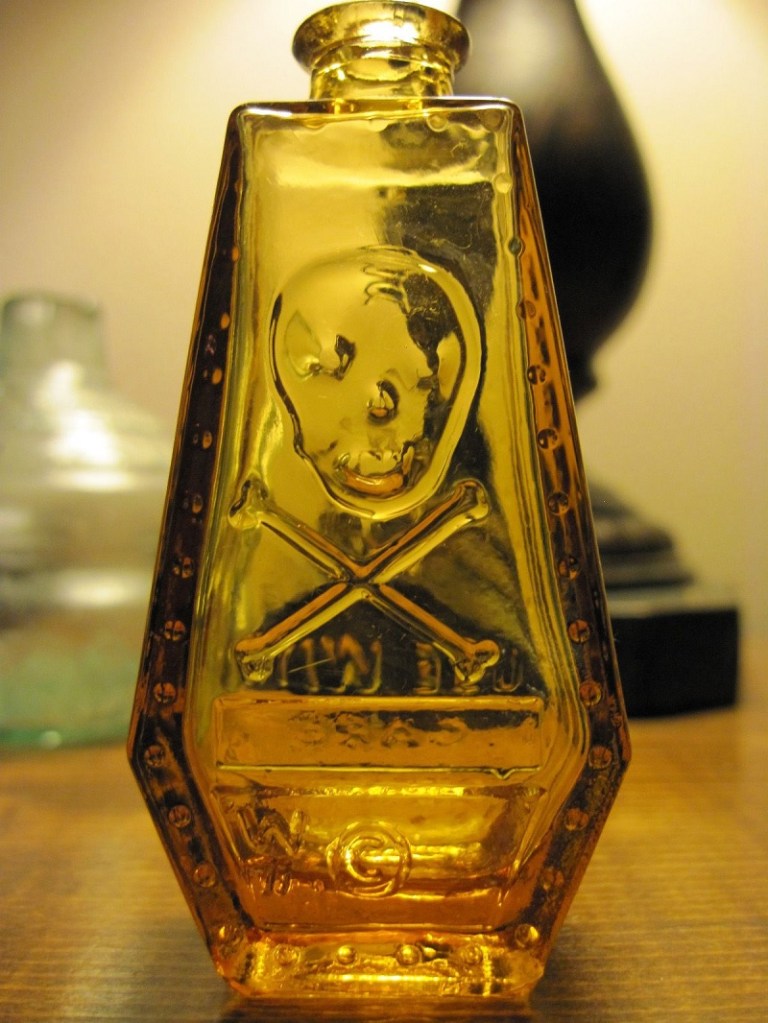
Poison and venom – the diff’rence between them
Is pedantry.
Biologists may take exception,
But only they should.
Most of the rest of us navigate life
Quite pleasantly
With a definition that’s still close-enough
To be good.

Momma Tongue
There are five times as many Yankees
Speaking English as the English,
So who’s English do you think will win ?
Whatever the linguistic tankies wish,
We’re just a little fish –
Perhaps it’s time to take it on the chin ?
Or, to be overt (and probably incite your wrath) –
You do the math !
Ow !, that hurt.
So stark and ess-less on the page,
Just stoking up my British rage –
Yet kids today are fine to say it –
They don’t care, it’s just a thing you say,
Like missing out the pointless yoos
And adding honest zees
That they know we’ll criticize –
They choose to do it anyway,
These wize-guys.
So what’s my beef ?
Am I so shaky in my self-belief
I have to wave my flag
At quickening American ?
Does my inner Anglo-Saxon gag
And want to ban their New-World-ness ?
Well, yeah…I guess –
We’ve traveled far, we dove right in
We took the rout of least chagrin.
But it’s all just arbitrary guff,
And how long can I really bluff
Until I must admit, their way makes sense ?
Time to quit – don’t be a bore,
For in this theater of war,
My silent letters voice me no defense.
I know I have no chance tonite
To tell the kids what they can say –
Just as my teachers had no right
To scold me for ‘okay’.
But oh !, it hurts to hear my cherished forms
Be cast away.
Yet if the kids choose that instead of this,
Well, who the hell am I then
To dismiss them for their choice ?,
As if I have a voice they’d listen to.
So on they plow their furrow
By their dollar, yard, and boro –
For kids will always marvel at what’s noo.
I can assure you that it isn’t only Americans who can make wrath and math rhyme. There are so many other British voices besided RP, despite the OED’s attempts to pretend otherwise.
By the way, I can’t help thinking the last line looks less New York and more Scottish ! I suppose I could say ‘nu’ instead, but I think that will look even stranger.
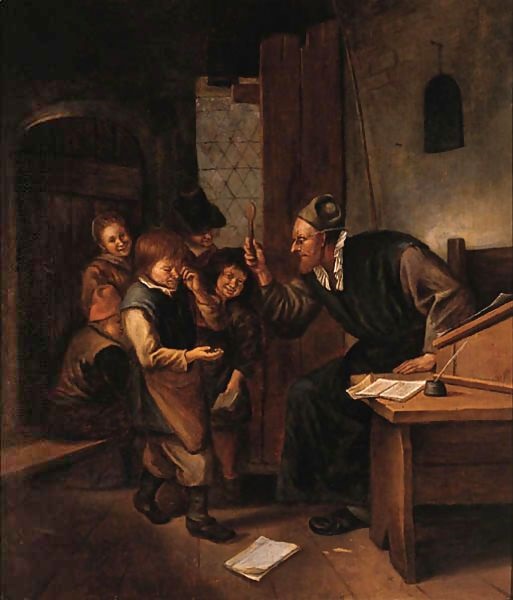
Whenceforth
Whence ‘from whence’ ?
It makes no sense,
It just means ‘from from where’.
But then again,
It sounds so vain
And old-world debonair.
It looks contrived
That we’ve revived
Such quaint and frilly bull.
We just don’t need
The added speed
To drop a syllable –
So don’t correct
Our speech unchecked,
Don’t leap to its defence –
It’s overstayed,
So let it fade,
And cease all use, from hence.
 Rhyming Couplets