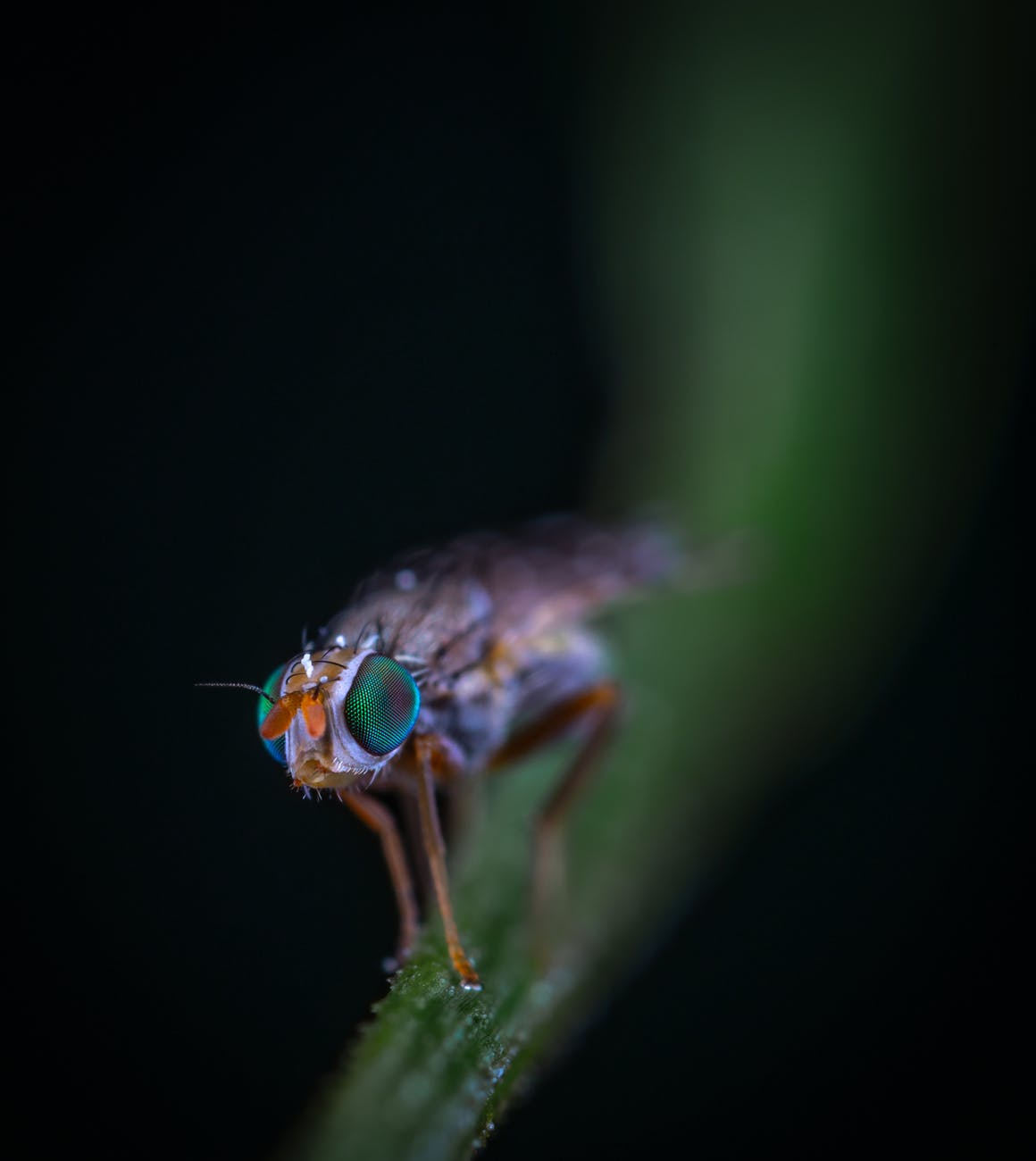
A single clap, a sudden slap, A thud against a desk, A backhand swat, a black-red blot, A mid-air Arabesque. Someone let the flies in, Let the flies invade our day, And now we’re exercising An impromptu cabaret. So jump up to that buzzing sound, And waltz your tiny partners round – Until we run these flies to ground, This dance will play and play.
The accent is just intended to show that the middle syllable is the one that should be stressed.
A snail upon the concrete, half-way high, Just scaling up the slabs to the broken-bottle prism That shards into the crown that lacerates the sky – It’s breaking up the straight lines, a bauble on the brutalism.
This snail is still there, years later, its shell becoming its coffin. I wonder if it were poisoned by the concrete ?
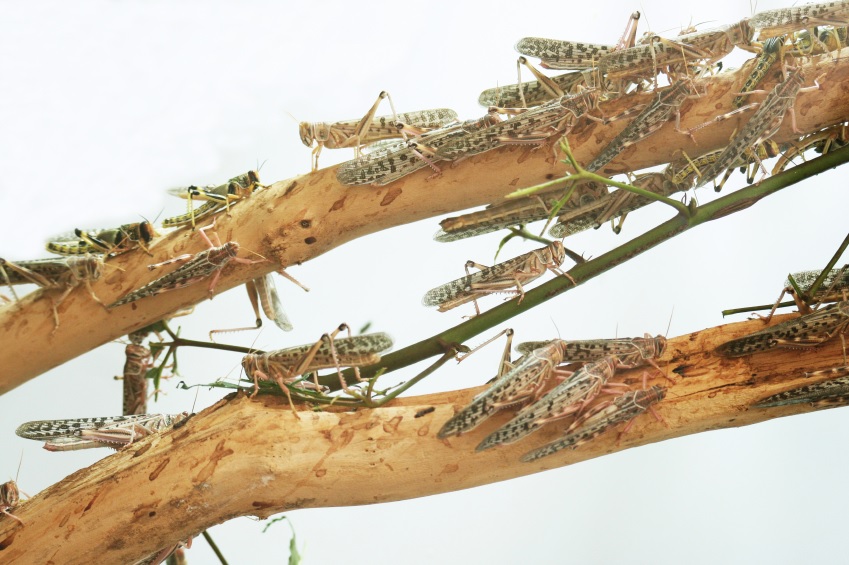
A miniature cricket, or maybe a ’hopper, Has found its way into my flat. I thought that the spiders would send it a-cropper, But they’re having nothing of that ! It could be a locust, but that would be holier – Easy to spot though – bright green on magnolia !
I feared it was munching my windowsill cactus, But I see no evidence there. I guess the poor thing must be fasting in practice – My ceiling-top cupboards are bare ! It doesn’t have wings, so it’s still just a young – It’s legs are un-hopped, and its song is unsung.
The day that Grandpa died, that very day, My father took my hand and led the way On up the garden, round behind the potting shed, And showed me how to tell the bees that he was dead: He gently rapped the back-door key Against the frame, and spoke the name, Then wordless handed it to me That I should do the same. I guess it worked – this informed hive, now his, Survived intact, as was, as is – Though surely, bees think not of grief When Father was, to them, a honey-thief.
The day that Father died, it fell to me To take my son and take my key And pass-on the traditions of the hive – To tell the bees he was no more alive. But as I rapped upon their frame, My puzzled boy a little scared, I found I could not speak his name To bees who neither knew nor cared. And so, I placed a hand upon my lad And told him how we honour Dad – It’s not through what the past believes, But like he taught: by being honey-thieves.
All along the branches, And down amongst the bines We hear the insects chattering The gossip of the vines: Seems someone grassed the hoppers up, And sprung a Springtime storm – They even cussed the locusts low To watch the rumours swarm. The wetas whet their wilting wit, And rub their wings in glee – This really isn’t kosher, The Jerusalems agree. But somewhere in the undergrowth, Striations getting shushed – It simply isn’t cricket For a cricket to be bushed. Lurking there in plain sight Are the lives the cryptids hid – You won’t believe the racket When you hear what Katy did !
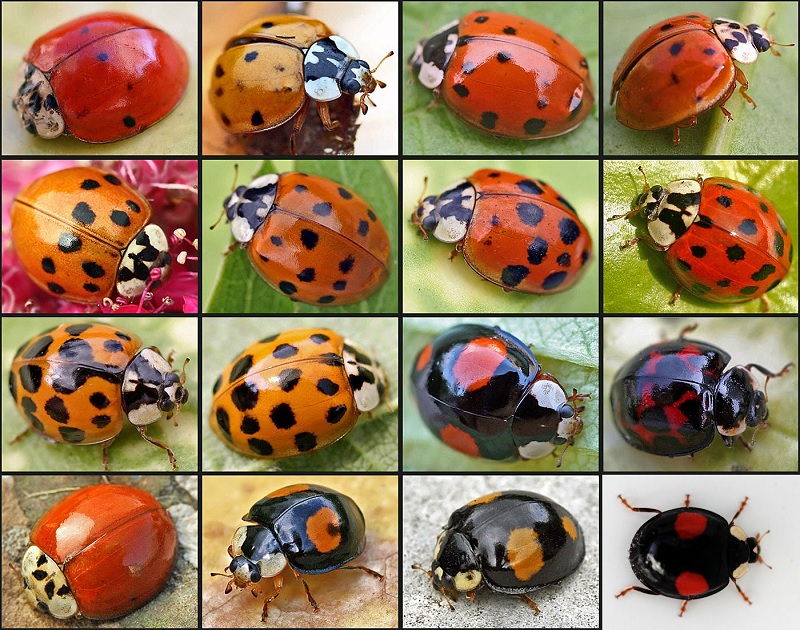
They started coming over here a decade back or so, A few at first, and hardly noticed, where the good winds blow. Of course, the many coats they wear have helped, despite their glitzy show.
At first, we thought how marvellous to find such guests as these – A touch of the exotic in the roses and the peas, And something to replace the sorry absence of the friendly bees.
But now we hear they’re taking jobs from seven-spotted lads, Or that they breed too many kids compared to local dads, And even claims of bullying, from roaming gangs of bolshy cads !
And sheltering through Winter in a corner, in the gloom, We find them huddled with their kind, at twenty to a room – A lack of integration with the natives, is what we assume.
They offer services for thrips, which two-spots can’t compete in – The gardeners are overjoyed, the unions are beaten. And does it really even matter, if the aphids all get eaten ?
The market does its work, with consequences untoward – They gobble up their rivals to monopolise the board – They’re less a friendly immigrant, and more a raging mongrel horde !
Yet maybe we’re reacting to a non-existent wrong – Let’s leave the species to it, and they might just get along, With more than plenty greenfly shared among this multi-cultured throng.
But let’s not read too much comparing ladybird and man, For beetles run on instinct, with no higher thought or plan. They cannot make a compromise – but we are humans, and we can.
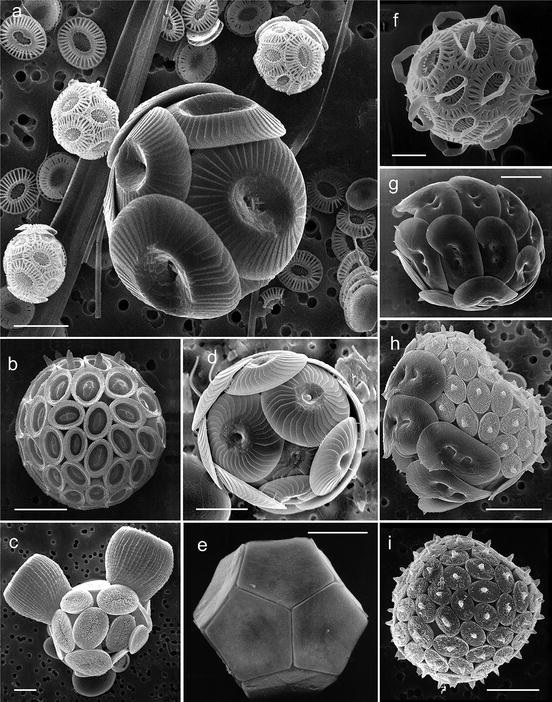
Various species of coccolithophores. Each is a single-celled alga surrounded by plates.
Everything from Shells
Downs go up and downs go down, As wave on wave of frozen ocean Built each ridge and vale and crown With ev’ry ancient tide in motion. Tiny creatures swarmed the sea And dropped their tiny plates all over, From Stonehenge to Normandy As deeply as the Cliffs of Dover.
Singular alga sounds all wrong, as if the term has become strictly a mass noun.
Innocent spiders close down schools When ignorant humans panic. Why the hell are we so prepared To see them as Satanic ? We wonder why our schools are broke, And all our nerves are fried – Yet choose which phobias we’ll stoke, And wear our hates with pride – It only takes the merest sight To send us shrieking with delight. Our fears are learned, and screeching Just ain’t what our schools should teach in.
Far, far better we learn to love The harmless ones, at least – Let our babies play with monies, Let our kids embrace the beast. Rearing spinners out of eggs, And never let the wolves repulse – Daddy, bring a daddy-longlegs, Mama, bring a widow-false – Or better yet, we should be shown To watch awhile, then leave alone. And maybe then, here’s hoping, Then the schools can all stay open.
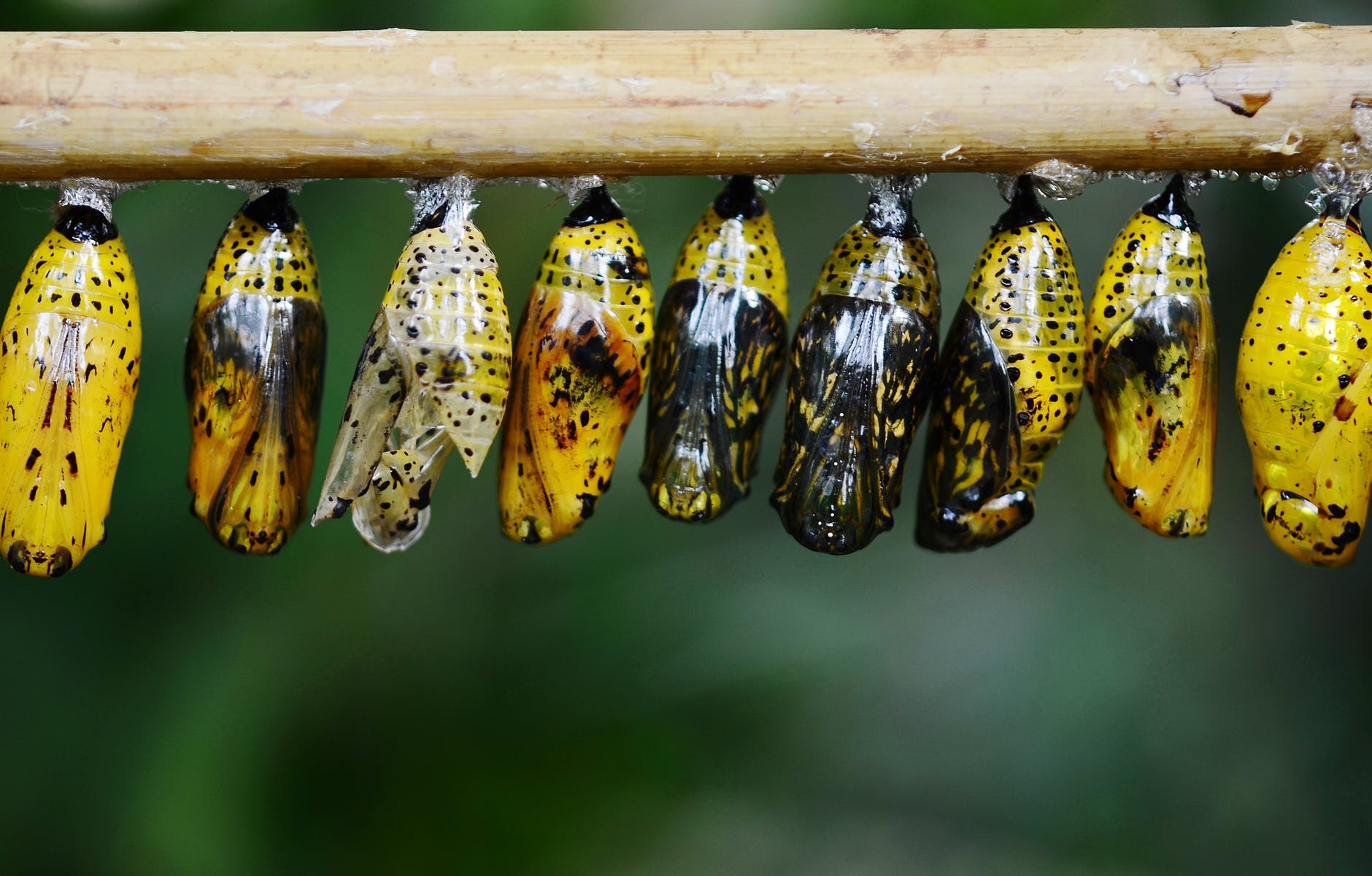
Caterpillars metamorph, from juvenile to butterfly, And maggots turn to ants and wasps and beetles, by and by, And tadpoles can be newts and salamanders, toads and frogs But when it comes to mammals, well, There’s little change of which to tell, For puppies only ever get to grow up into dogs. But you know, that’s not quite true – we’re changing too, Though the other way round: See, larvae are more evolved than their parents – Their bodies the new kids in town. But we, you and me, start out as a fish With proto-gills and a tail to swish In a primordial sea of warm – Then it’s time to move, to shed our skin, And let our reptile-selves begin: Engage, evolve, transform ! It’s time to metamorphosise, We mongrel robots in disguise, From instar into more-bizarre, Our restless genes must shift and swarm And take this blood-cold world by storm By becoming the mammals, the furry mammals we are ! But don’t stop now, the urge ain’t gone – I don’t know what’s next, but I feel it coming on…