Singular Theys were always generic, The individual everyman, Of either gender, but numeric’ly one – Not hard to understand. But once we knew who it was, Then he or she was He or She – They didn’t stay a They, because, We now could specify, you see.
This calling Barry and Susan They Is fresh, and it still sounds strange, Though it’s prob’ly here to stay, And language always likes to change. We’ll get it, if you give us time, To navigate the new. Our speech evolves, it’s not a crime – Just ask the Singular You.
Lillah McCarthy as Jennifer Dubedat in the original production of The Doctor’s Dilemma
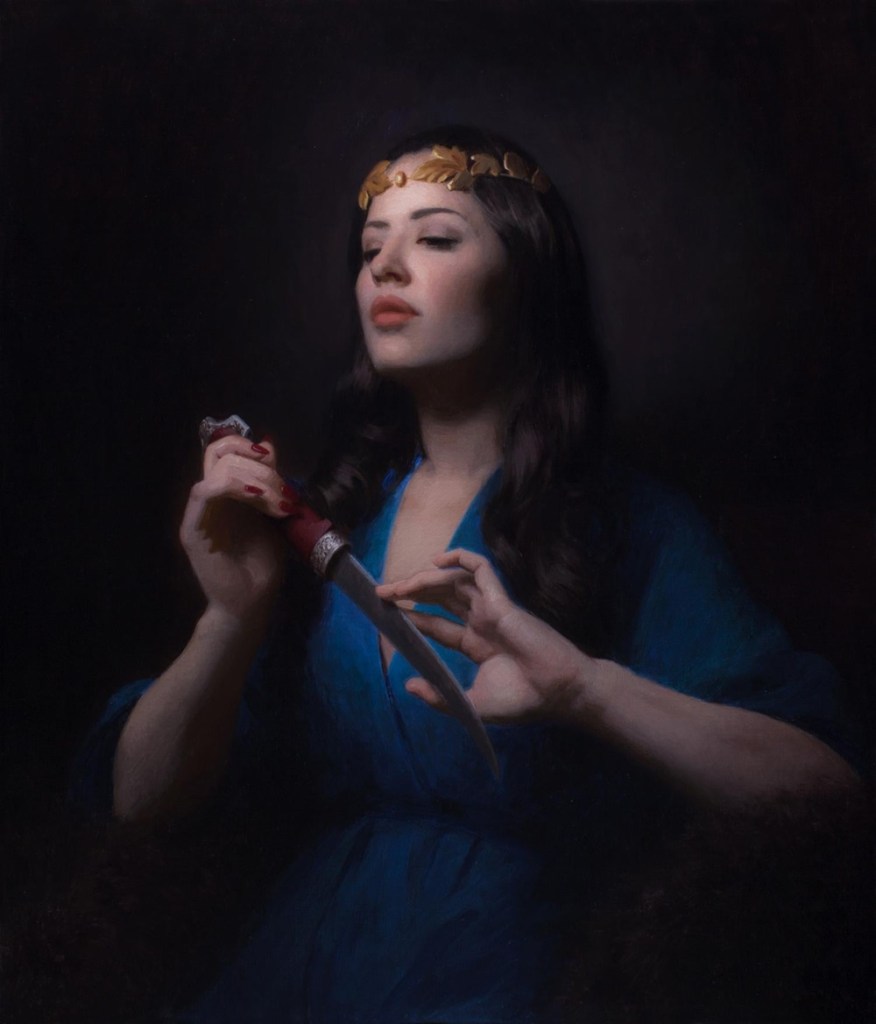
White Enchantress
The scene is London – the Edwardian stage – A new play opens by George Bernard Shaw – That finger-wagger of the gilded age, That rabble-rouser of the better sort – The Doctor’s Dilemma. Will it be a draw ? The public shrug as the critics snort – It isn’t a flop, but it isn’t a hit, So the world moves on for a better fit.
But lying unnoticed, there was a seed – One of his characters, posh as the rest, Was given a name she didn’t need – She could have been Cathy or Claire or Cass – But instead, her author had thought it best To name her after a rustic lass. And Cornish to boot, though she made no claim – I guess he simply liked the name.
And so that name was Jennifer – And she would come to dominate As just the handle we prefer – The whole thing now sounds so contrived, But it took a while to percolate, And for the play to be revived. Yet slowly lifting up the blinds, A pale phantom stalked our minds.
Now the audience in Nineteen-Oh-Six Had heard of Blondwyn, Fiona, and Neve. But those were for natives, who barely mix With these theatre types, who would never think That a child of theirs should ever receive Such a name, if they had no family link. And though Guinevere was hardly forgot, They found her name no Lancelot !
Now Jenny was known for centuries – For Jane or Joanna, and paved the way. And Celtic awareness increasingly pleased, With a dash of exotic, and of something new. So when Jennifer Jones hit the screens, I’d say That the time was ripe for its big breakthrough. It shot up the rankings, left Anns in its wake A working-class wide-girl, a name on the make.
But her reign was short, as she paid fame’s price – She peaked in the Eighties, as big as her hair, Then drifted from psyches, as parents thought twice. Forever a signpost to the Post-War age – For a hundred years after, we’ll find her there, Before she slips back to the dusty page, And she and Guinevere are equally dim. And to think, Bernard Shaw prob’ly chose her on a whim…
Historical name data isn’t nearly as detailed as I would wish, and I can only find the top hundred names listed at ten-year intervals on the UK Office for National Statistics website. It shows Jennifer first broke onto the list in 1934 (87th), shot upto 18th in 1944, slipped slightly to 23rd in 1954, down to 45th in 1964, then rallied to 34th in 1974, and rocketted to 11th in 1984, before starting its (final ?) descent in 1994 at 42nd. This page then has a year-by-year breakdown showing 87th in 2004 and 217th in 2014. The most recent dataset for 2022 shows…457th (though remember that all of these are for births – the Jennifers we encounter will face at least a couple of decades’ lag).
Ev’ryone lies to their diary, We write it with one eye on who will consume it – Intruders, historians, even our future selves – Taking the time to polish and to groom it. We wish it be penned by the person we wish to be, Entries intended to shine and outlive us – For who can admit to their ev’ry dark thought ?, So instead make it safe for our kids to forgive us.
Ev’ryone lies to their diary, Pretending there’s nothing made-up or excluded – And maybe we don’t see the spin that we’re adding, Or the innermost thoughts that have somehow intruded. For we are the hero of internal monologue, Archived today as the first-draft of memories – Write down the best bits, erase all the errors – We’re rationed for pages, so we only cherish these.
The cover of Superman #75 by Dan Jurgens & Brett Breeding
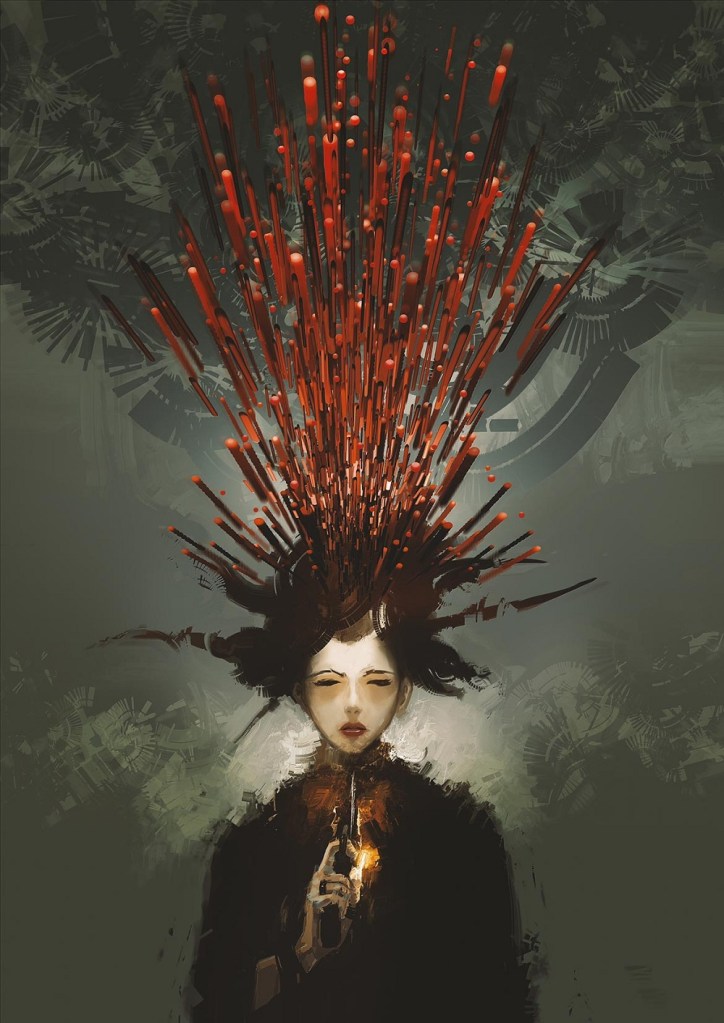
Plot Armour
I recall when dead meant dead, When heroes died and I’d believe it – Weeping as they nobly bled, So sad, so happy to receive it – What a way to go, I said, And what a grown-up tale I’ve read… Before the retcon raised its head, To gaslight ev’ry tear, and thieve it.
Medea was born in privilege Who was then done bad by men. And boy, does it drive her over the edge As she whinges agen and agen. She expects the world by dictum, Who has worked not a day in her life. She lectures how she’s a victim, As she murders her ex’s wife. She is offered escape to a five-star joint To be bitter in peace, as it were. Yet she butchers her kids just to hammer a point, And to make it all about her. The most tedious kind of psychopath Who’s two-hour rant must run. With the audience chastened for wanting a laugh, And daring to hope for some fun.
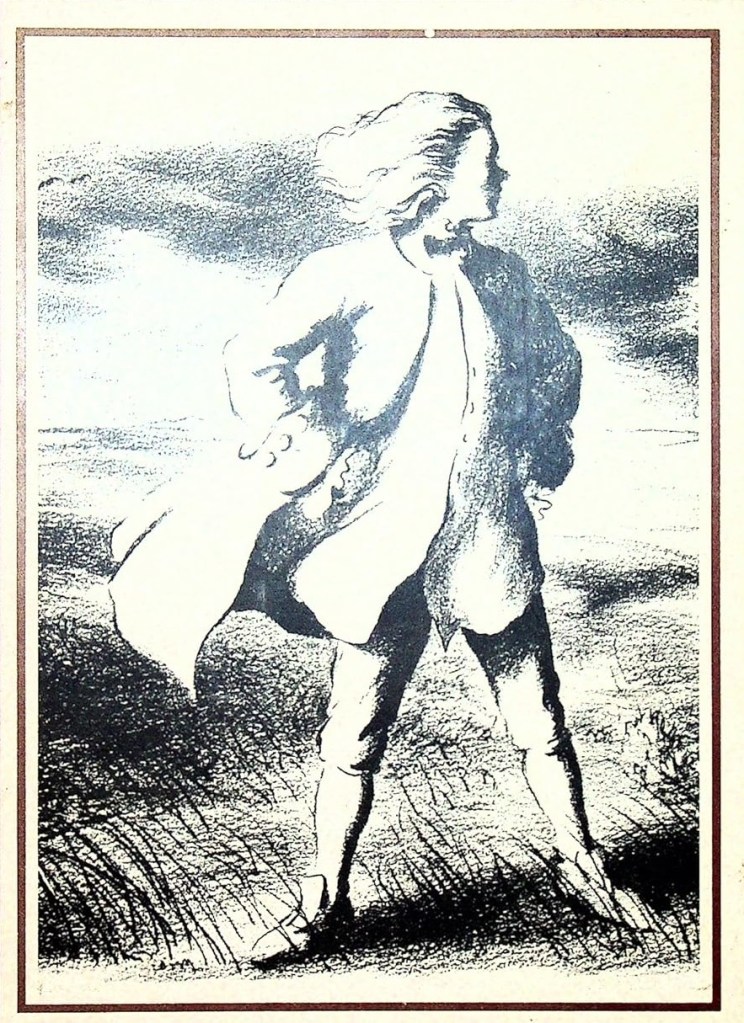
from the cover of the 1964 Collins edition with illustrations by Lawrence Beall-Smith
Tom, Dick, & Hooray !
Why are we still telling tales of Tom Jones ? A Georgian lad with a leg to get over – So honest and randy and easily led Beneath ev’ry petticoat, straight into bed. Wide-eyed and panting, they call him in moans, As he’s shagging through shires like a journeyman rover – But deep down he’s pining for saintly Sophia, And wouldn’t you know it, he’s really a squire !
Why are we still making love to Tom Jones ? A privileged lad who will caution for nothing. Where women are scheming, with wanton presumption, Except for his virgin, who’s lacking in gumption. But is he a victim to his very bones, Whom the wealthy corrupt when in need of a stuffing ? Yet he’s too busy romping to care for abuse, As the good-for-the gander has plucked him a goose.
I should point out that I always understood that in the 1700s (or indeed the 11700s), ‘Sophia’ did indeed rhyme with ‘squire’ (as long as your accent wasn’t rhotic, which was lucky, as the better sort were shunning such yokel diction, and thought all such Somersetters were talking arse, so to speak).
As for the novel, it is a fascinating record of the times – the tale of a boy from nowhere who is exiled from the green green grass of home, only to fall prey to many a delilah and sex bomb. Of course, as such tales go, it’s not unusual, and certainly not what’s new, pussycat.
(In reply to Moss Hart’s & George Kaufman’s You Can’t Take It With You)
A libertarian fantasy, Giving up the nine-to-five, To live for art, untaxed and free, In a sprawling, zany hive. These rocketeering gals and gents Devote themselves to fun By living off of unearned rents, And dating the boss’s son. Watch out ! Here comes the Government !, To pry through this and that, The chocolate boxes spread dissent – But they won’t get-back their hat. Sucking-up to the duchess, To the beat of the xylophone – A community of the self-obsessed, All far too rich to moan. A black maid serves up ev’ry perk, And cornflakes for their tea – But what if she chose to give-up work ? Why, then where would they be ? A fairytale of carpe diem, Laissez-faire unbound – They may not take it with them, But they won’t spread it around.
In a strange way, the play (from 1936) shows a future world of Universal Basic Income, only it’s set in a world of depression-era unemployment and poverty which it floats above, all while ignoring the very real suffering happening down the street. The extended Sycamore family are extremely privileged, and though they claim to be apolitical, they definitely want the Government to leave them alone with its tax and fireworks regulations and preventing the spread of violent revolt – all the while sneering at the working drones who hate their jobs while having absolutely no concept on how those people have to work to afford basic food and shelter (maybe even in one of Grandpa’s houses, breaking their backs to afford to pay him their rent so he can swan-around snake-hunting in Westchester).
From Juliet to Cio-Cio-San, By way of Emma Bovary – They each were halted by a man Who plots and spins their tragedy, By ending them with his fatal pen – All killed by their creator yet agen.
For Emmalene, no silver screen. For Hannah Baker, life is shorter. Ophelia is free to dream With Bess, the landlord’s black-eyed daughter. Giving up all they had to give, Thus they must die so that a man may live.
Come Brünnhilde of the Norse, Jocasta of the Greeks, come too, And Thelma and Louise, of course – Cecilia Lisbon’s joining you. So young and clichéd, full of romance – Farewell. Alas, you never had a chance.
For Anna Karenina and Hedda Gabler, It will never be a wonderful life – Each felt a fatalism grab her, With a well-placed gun or foreshadowed knife. Like all of the tragic women above In their man-made sacrifices all for love.
(in reply to Agatha Christie’s Murder on the Nile)
Agatha Christie cherished the Tories, Kept the masses out of her stories – Servants were faceless, background filler – Never the victim, never the killer. Whodunnits by nature are class-based, though, With chaos disrupting the status quo, That must be traced and rooted out Before it spreads its dangerous doubt. Now true, she distrusted businessmen, And makes them villains agen and agen, Not like a blue-blooded, honourable gent – But was this an anti-Semitic bent ? Of course, she hated the socialist – But wait, with her there’s always a twist ! Just witness her Nile when splashed on the stage, With Poirot banished back to the page – Instead, a Canon is quizzing them, While building his new Jerusalem – One wonders what he might behold ? A commune or sorts ? We’re not quite told. And then, at last, there’s Mr Smith – The snidy lefty they’re travelling with. Part hypocrite, but only a part, When a short-hand typist catches his heart. He makes some good points along the way, That it’s hard to imagine our Agatha say – Perhaps once the cuts had been applied, It left no room for a seedier side. All-in-all, a little less sour, Just as Attlee was coming to power. For this one trip, it must be said, It wasn’t only her herrings were red.