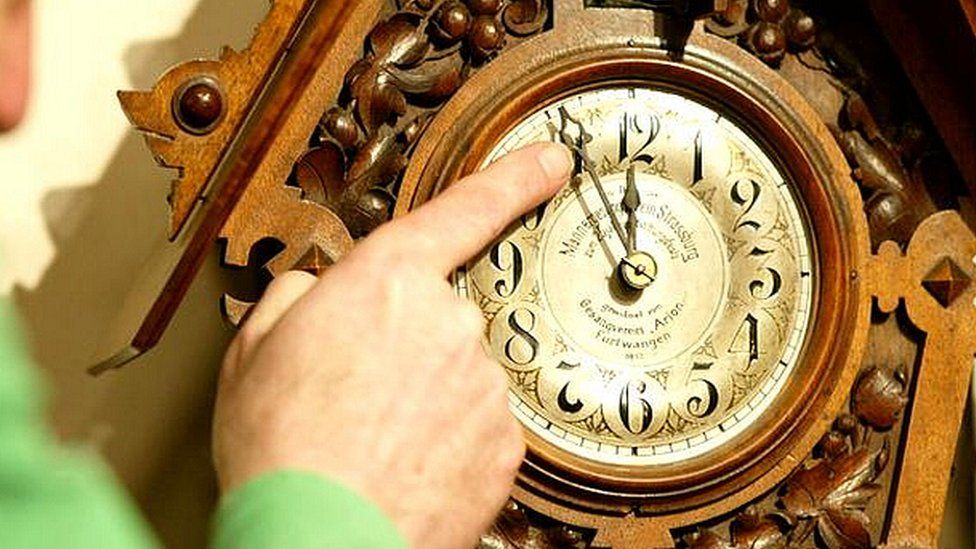
The clocks have changed, the dark has grown, The evenings have started early – Even as I leave the office, Day has gone and night is surly. Gloomy hordes of wrapped-up figures Cram onto my flood-lit train – It’s come at once, this blackening, As Winter leaps out once again. Trudging home from the lonely station, Beneath the unexpected stars That just last week were veiled in dusk – Orion’s back, and is that Mars ? It’ll only last a few days, this, Till early nights are nothing strange – It’s just the sudden shift, that’s all, When dark has grown and clocks have changed.
All the Summer, she shelters in her studio, Under the North-sent light, As she’s painting a curlew, a bird of the Winter, That, like her, flees when the Sun gets bright. She starts in April, starts from the tail-quills, Nothing but browns and creams – Slowly works forwards as evenings grow later, Until she can hear its call in her dreams.
At five-times life-size, her bird is a monster, A beautiful giant of the fens – With every barb of every feather, More real than in any photographer’s lens. So unlike the shy things they are, them and her, Avoiding the seaside crowds – They to their moorland, her to her studio, Waiting for the safety of the huddle’ing clouds.
By the late of May, she’s mottling the wing, By June, she’s glinting the eye By the height of July, she starts on the beak, As the burning Sun is stoking-up the sky. Inch-by-centimetre, longer and still longer, Polished to perfection as she goes, Longer than a godwit, longer than an avocet – This beak is magnificent, and still its black arc grows !
All through August, she’s stretching it out With the windows wide-open from dawn, Bringing-in the songs of the blackbird and the goldfinch – But the curlew cannot sing until its bill is fully-drawn. Till finally, finally, it tapers to infinity, Just as the September cools the air. She locks up her studio and heads out to the marshes, As the North-sent breezes blow the cobwebs from her hair.
This poem was inspired (but is not directly about) this painting by a friend, Anna Clare Lees-Buckley. She specialises in birds, but unlike the subject she doesn’t master in reclusivity.
A T-Rex guarded the first hole, As we played a round by the beach – Over the hump and round the bend With a club and a scorecard each. Fibreglass limestone hemmed the links With fossil ammonites – While bubbling streams built future cliffs As they laid down chalky whites. Triceratops was present, of course, And cute troodontids too – We admired their feathers as we let Another pair play-on through. The rough was an abandoned nest – The eggs gave a tricky lie. A pterosaur looked-on unimpressed, As my ball refused to fly. The sauropod was a juvenile, The size of a family car, And anchylosaurus raised her club As I came in over par. But the twelfth showed the first sign of trouble, With a draught through the plastic swamp To shake the early magnolias, As I teed-off with a whomp. The fifteenth had a river of lava Splitting the fairway in half – A pachycephy furrowed his dome, As I took a photograph. The seventeenth was watched by several shrews, To no concern. They looked-on patiently as we played, Content to wait their turn. And then, crowning the final hole, Was a crater upon the green – Only a metre across, but still, Here comes the Paleogene… As we finished our round at the end of the world, It felt like the nick of time – Then back to the seagulls along the Prom, And an ice-age ninety-nine.
Late-on in the Spring, We’ll see the house-martins come again – In stylish black-and-white, And darting back-and-forth about the lane. They’re patching up their daub-and-wattle nests, The ones they left behind – The Winter muck is jettisoned, The inside cleaned and freshly lined. Are these the very birds we saw last year, The self-same mums and dads ? Or are these now the chicks they hatched at home, Inheriting their pads ? Though ev’ry year, I swear, They build another house beneath the eaves, And often touching in a terrace, Neighbours watching out for thieves – And those would be the sparrows, Feckless squatters in these high-rise flats – A better prospect than the hedges, Safe from cuckoos, frost, and cats. Hoping to be laid-and-fledged By hanging-out in hanging-domes, Before the grockles fly in for the season To their second homes.
Who is the Martin whose house these swallowets build ? The OED postulates that it is a contraction of Martinet, but that that in turn is a diminutive of Martin. Or it may be from a Latin term for a kingfisher. Or a bit of both – never underestimate the power of conflation.
“Cuckoo eggs are able to mimic dozens of other songbird eggs, but each female can only lay one kind.” – The Titchfield Twitcher
The first cuckoo of Spring, And the war is about to begin agen For the dunnock and robin, the pipit and wren – But the blackbird nests at leisure Knowing her treasured eggs are secure – She’s fought and won this battle before. For cuckoo hens must lay their eggs, Their undercover powder kegs, to match The very nest from which they hatched. So daughters follow mothers and grans In their taste of prey that spans way back – A family tradition in attack.
But not the birds in black. They know an egg that’s out of whack, alright – Imposters tossed on sight. As for the parents, lurking still, They’re pecked and mobbed until they quit – A tougher host by far than finch or tit. Thus all the cuckoos with the genes To burglarise the forest queens have gone, Wiped out, were rumbled in their con. So when these gothic thrushes hear That goading call – no fear, no doubt – They just sing louder yet to drown it out.
1. May comes bounding down the year As eager as a springer spaniel. Ev’rybody knows she’s here, A bursting, blooming, early annual. May comes blowing from the south As teasing as a cuckoo’s call She’s closing up old Winter’s mouth By throwing off her woollen shawl.
2. A little rain in May Is sweeter than an April shower – Though the high Spring skies may glower, We know they will not last the day. The clouds are silvery, not grey, Less thunderheads than fairy towers, Washing lambs and spritzing flowers, Dropping by, then on their way.
3. May – the name says it all. The month when it might, When it should – Ah, but will it ? The month that may have a squall Or a heatwave, Or a dozen other weathers Come to fill it. Could be a late gasp of snow up on the hills While the valleys open windows, And the breezes spin the mills. Such is the fortune In the month of maybe May. When all of this could happen In a week, Or in a day.
She worked for the council, she mending their greens, And their roundabout gardens and motorway screens. She weeded their paths and she tended their sprays, And swept up their cherries’ displays.
Her hedges were sprinkled in sloe-blossom white As I asked if her lanes were a primrose delight. She plucked me a buttercup, proffered with thanks – As dog-violets guarded her banks.
We kissed to the hum of the first of the bees, As the belfries of bluebells all chimed in the breeze – And daffodils trumpeted Springtime unfurled, As fiddleheads flexed and uncurled.
The teeth of the lions were under our thighs, And they ev’rywhere shone from forget-me-not skies. We trampled their verges, enrapt and entwined – The daisies, though, seemed not to mind.
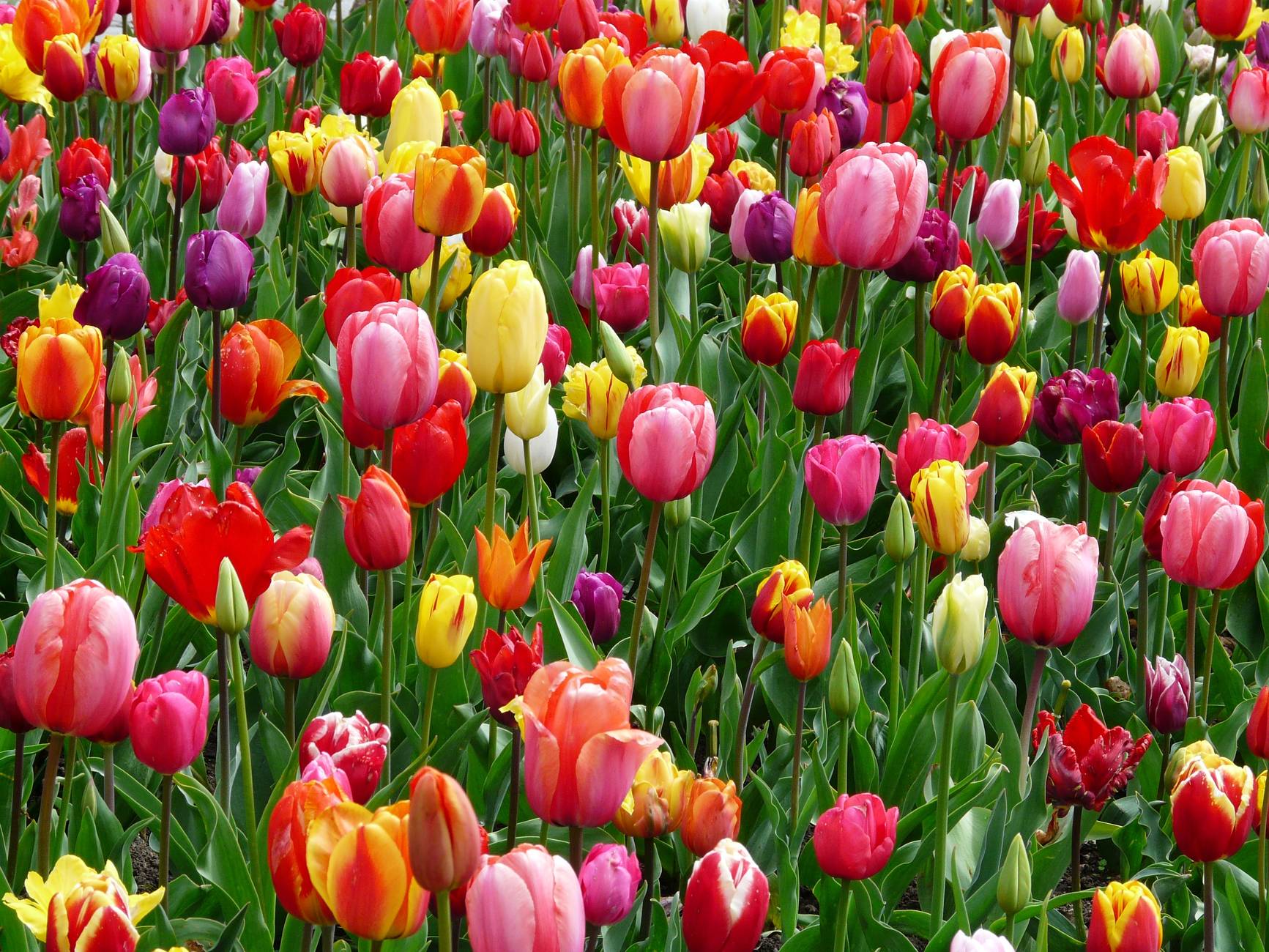
She showed me the places the tulips grew wild, Aloud and ablaze, then eleven months mild. Their flowering passion so vital, so brief – And ashwoods were not yet in leaf.
The lords and their ladies unwrapped their white cloaks, And the crockets were sprouting on beeches and oaks. Our lessons botanic were daily resumed – At least, till the mayflower bloomed.
First, stick with a calendar That clearly isn’t fit for purpose – Stick with it because, old son, That’s just the way we’ve always done. Tradition is a glut of yesterdays, With wayward dates in surplus – Till our times are forced to shift (Yet still two hundred years adrift). Then hack eleven days off all at once – A week-and-a-half, just done away – And then a twelfth is added, see, For the non-leaping century. (But next time round – it isn’t, Cos it isn’t, cos that’s what they say.) And that is why our pounds and pence Outweigh our bloody common sense !
Can you imagine having to line your tax year up with your calendar year ? Like much of the world does ? We’ll have no such convenience here !
Now that Winter’s easing, And the Sun is breaking cover, Then what could be more pleasing Than to wake from hibernating with my lover ? And as the sap is rushing And the Spring is turning bold, Then what could be more crushing Than to hear she wants to clean-out with the old ? We’d clung to one-another, While the Winter held us in its thrall, I thought she was my lover, But I guess that April makes fools of us all.
Now with lambs in clover And the daylight on the rise, So she wants to be a rover And she wants to try the Springtime on for size. She slips out after equinox With all the world at play, By the changing of the clocks, Then I know the cruellest month’s not far away. With the first song of the skylark And the golden tulips growing tall, She’s off to find another mark – I guess that April makes fools of us all.
“Why did St Valentine have to get martyred in February ?“
– Mark Hall
Strange, how this day of love Is a day of sneezes and fingers numb. Why does it fall with a deathly chill As the hothouse roses succumb ? Maybe it serves to underscore How love is often bittersweet – Whereas, in the height of Summer, This day would be lost in the endless heat.
Strange, how this day of red Is a day of snowdrops and Winter mould. Why does it fall when the days are short And the nights are bitterly cold ? Maybe it serves to warm the frost, And give our torpid hearts a shove – Whereas, in the height of Summer, Who needs a reminder to fall in love ?





 Rhyming Couplets