Rockflower

Coral by Elena Kraft

Rockflower

Coral, that was her name –
Not Carol or Cora, but Coral del Mar.
Dressed in yellowy-pink, she came,
As if from an attic trunk or bizarre.
Prickly brittle, broken free,
Yet often shrinking into her shell –
She loved to watch the shallow sea
As if in want of a diving bell.

Armour

Altar of Mars by Bruno Vepkhvadze

Armour

Beetles, tortoises, and nuts,
Pearls in shells and wasps in galls,
Hermit crabs in disused huts,
Rolled-up armadillo balls,
Frogs in mud and chicks in eggs,
Goods in crates and crates in hulls,
Drinks in bottles, bones in legs,
Feet in shoes and brains in skulls.

Cyclamens

mauve in brown
Old Friends by Milos Golubovic

Cyclamens

In the Summer’s heat I bought ’em,
And they barely raised a leaf –
But here in the depths of Autumn
As the roses come to grief,
And while the first of frost is looming,
With the pumpkins come and gone,
So now the cyclamens are blooming
Just as though the sun still shone.

Day of the Dead

sugar skull

Day of the Dead

Nowhere in the Northern world
Could let the dead roam in the Spring,
When new life bursts and blooms unfurl,
And nights are shortening.
No, the Fall’s where they belong,
In piles of leaves and frosty air,
With creeping dark and waning song,
And the world in need of a scare.

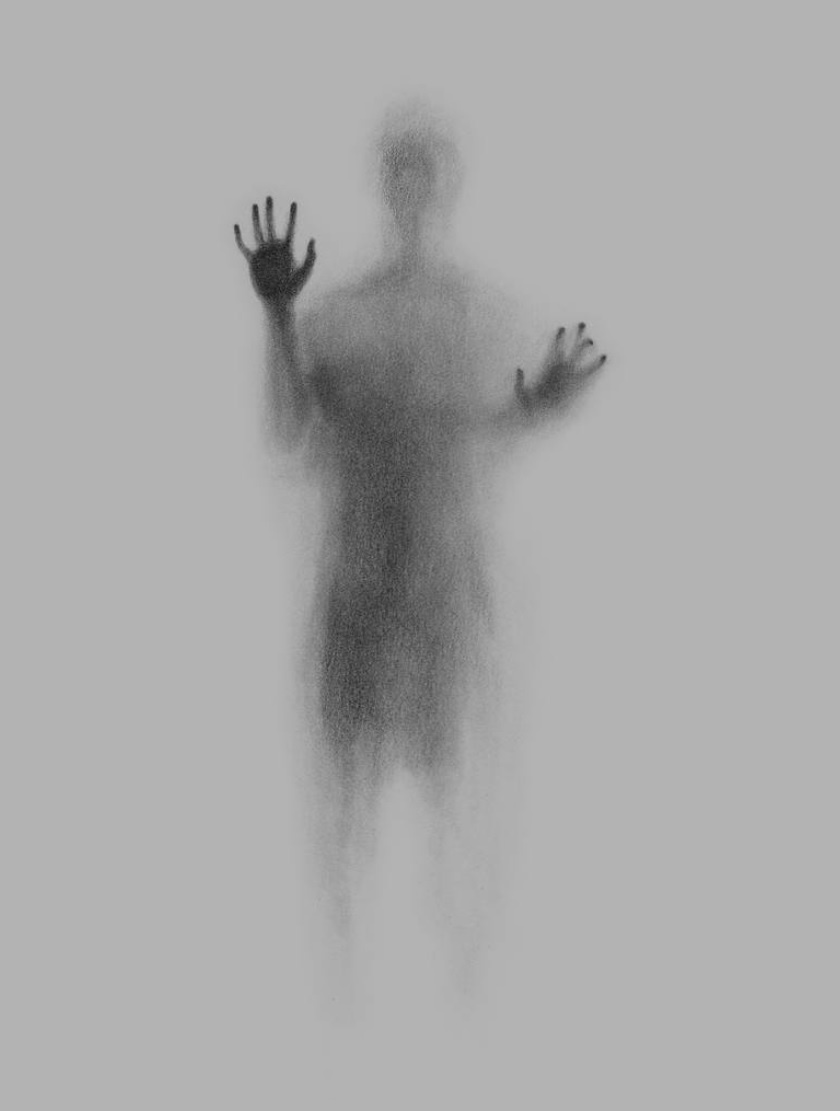
The Supernatural

ghost
Ghost Drawing by Herman Marin

The Supernatural

It may exist – it may at that – though we will never know,
Unless it can exert itself – but then we must ask when and how –
For if we ever see it come, or ever feel it go,
Then that – whatever that is – is as much a part of here and now –
For surely, supernature cannot ever be at war with nature,
Never interact with any thing with which it shares its space –
For even restless spirits must obey the laws of nature,
And even ghost neutrinos sometimes leave the faintest trace.

Vanity

Vanity

“Van Go”, he said, thus mangling it
Quite in the American style –
Yet in the accent of a Brit,
From maybe Preston or Carlisle.
So natur’ly I had to cough
And stem this slovenly display –
“I think you’ll find it’s said ‘Van Goff’,
Misspoken in the English way.”

Too Fast

Too Fast

Pop tunes reckon that they haven’t got long,
So they splash their chorus in the first few bars –
They’re terrified of the fingers that skip,
They’ve got no time to take a trip.
The ear-economy for any song
Must reach us in shops and lobbies and cars –
There’s no slow build-up any more,
Just one-two-three, then four-to-the-floor.

Scanning the Last Words of Lines

Nothing to do with the poem, I just thought it a curious name for a nail-polish.

Scanning the Last Words of Lines

Street, white, hand, song – No rhymes there, best move along.
Roots, come, page, near – Shan’t be lurking long ’round here.
Found, sharp, luck, role –  Nothing there to lurch my soul.
Pen, sighed, when, tide – Go on then, I’ll take a ride.

Ecce Humanitas

it's in rome, but it's not in the vatican

Ecce Humanitas

I would build a monument within Saint Peter’s, Rome –
A monument to martyrs who preached heresy.
Who stood by their convictions when tortured and alone
On principals of science and philosophy.
I would build a monument to passions unafraid
When Quisitors would dowse the light they shined.
Their sacrifice was equal to that which Jesus made –
They gave their lives to save all humankind.

Bringing Juvelilia Week Part 2 to a close (there will be no Part 3, thankfully) is a poem inspired by Giordano Bruno, a fore-runner to Galileo and proponent of Copernican theory – who was tried, tortured and burned by the Flat-Earthers in the Catholic Church.

Apologists claim that his crime was heresy, not sol-centrism, and as late as 2000 (According to Wikipedia) Cardinal Angelo Sodano said of his inquisitors that they “had the desire to serve freedom and promote the common good and did everything possible to save his life” – well, everything short of not actually burning him at the stake, anyway.  And Pope John-Paul the Second lamented “the use of violence that some have committed in the service of truth”, so that’s all right then, no harm no foul.

Incidentally, the statue above (on the very spot of his pyre) by Ettore Ferrari is from 1889 and paid for by the local Freemasons as a deliberate middle finger to the then-Pope, who I won’t bother to name. (Wow, who’d’a’thunk I’d ever have anything positive to say about Freemasons ?)  Its plaque contains the words Il Secolo Da Lui Divinato (From The Age That He Predicted), which is a line that any poet would be proud of, though I don’t know why it also labels our Giordano as ‘A Bruno’ – surely he was The Bruno…