A couple of proposed Russian flags in recent years by William Pokhlyobkin and Andrew Khlobystin
Vexillologically Vexed
Born in revolution was the Tricolour, And suitably to radical design – Oh sure, there were tripartite flags before, Yet nothing like this latest Paris line. And afterwards, we’ve trickies by the score, As flagginess itself is redefined – Back then, it showed a total break with lore, By genius or accident of mind. Felicity, simplicity, Tradition would no limit be ! Their senses jarred by disregard For all chromatic symmetry. And so, unlike the world before, You favoured grand to bear your brand – Your tricolour said France for evermore !
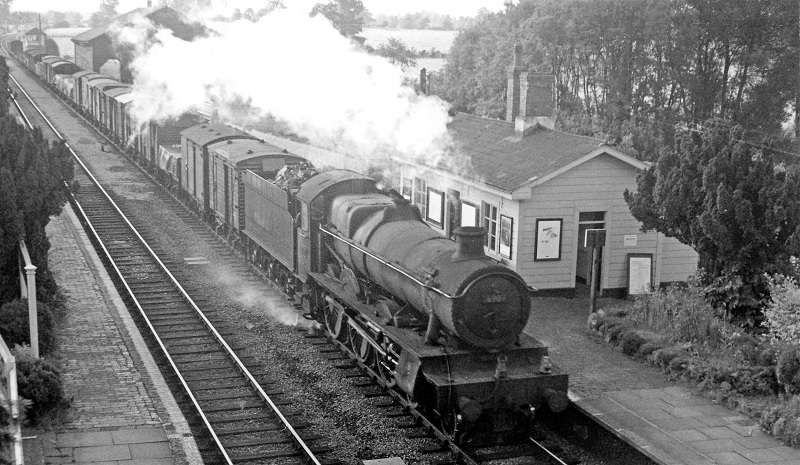
Look on, you Russians, look and see, The repercussions flying free – For even in your own domain, Napoleon has come again. You took his classic of its type And switched the order of each stripe – And not content, we now discern, You flipped his flag a quarter-turn. I know, your old one had to go, The flag that evry’body knew – It still may shine in pure design, But there was nothing pure on show. And so, like Germany before, You forewent grand for safe yet bland – And tricolours are great for that, for sure !
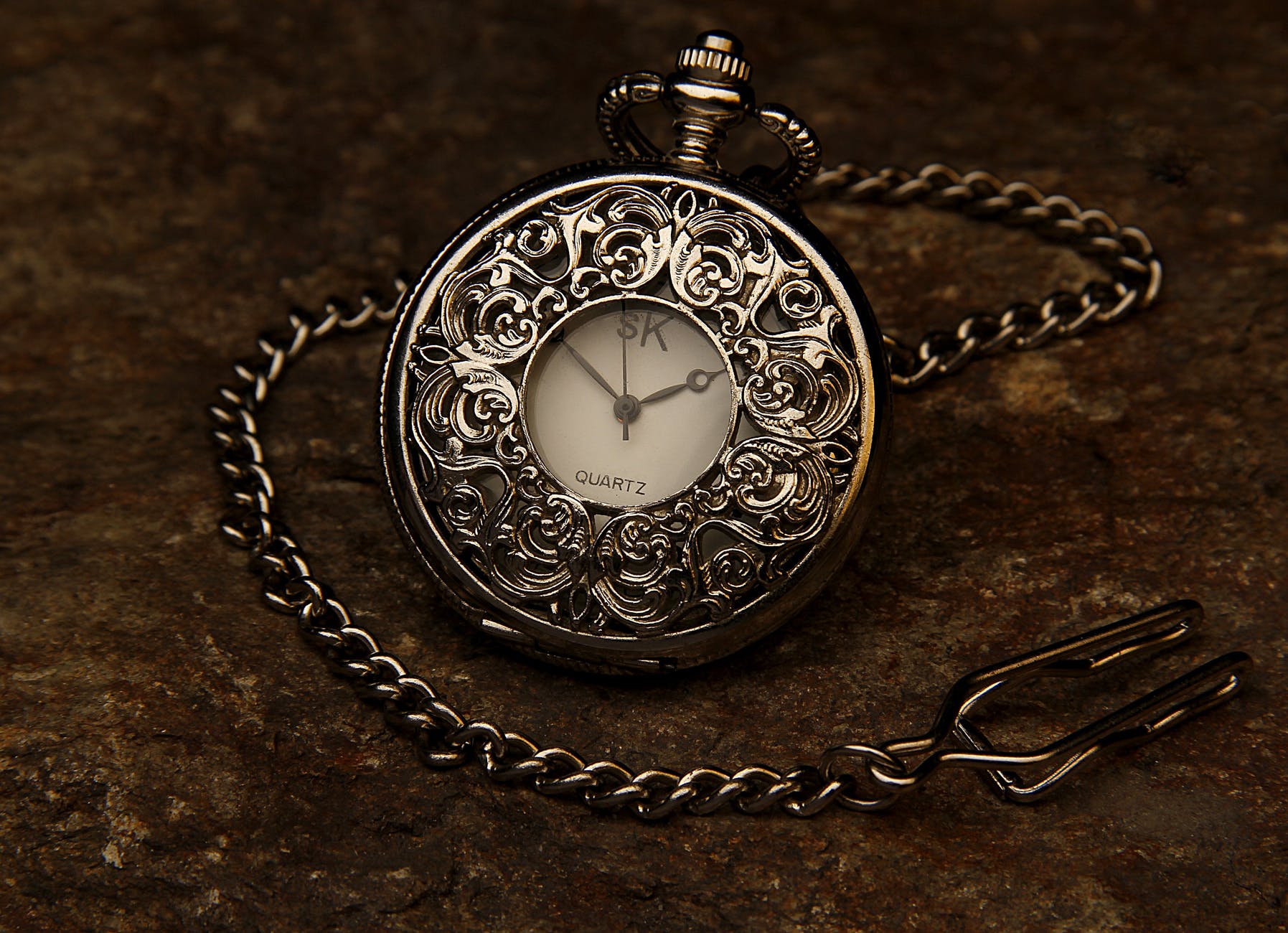
William Paley, (Still quoted daily) Chanced upon a timepiece while out walking on the dale. Pondering its presence, Mulling on its essence, He saw it was a Made Thing, and all that must entail: Here there were no surplus parts, no way to make it less dense – If this must have a Maker – why, then Man must likewise hail !
Grand Mr Paley, Postulating gaily, Never knew the fossils that were lurking in the shale. So too have the watches Seen their share of botches: Dodgy trains and axles who have never found a sale. Cruel is such selection as inflicts their cogs with notches, And calling time on any found irregular or frail.
Poor Mr Paley, Breaches in his bailey, Holes in his hypothesis, all bigger than a whale. Thermal compensation And grand complication Have grown in watches gradu’ly, and clearly leave their trail. So tick evolves to tock with ev’ry not-quite-iteration, In the coiling of the spring as in the spiral of the snail.
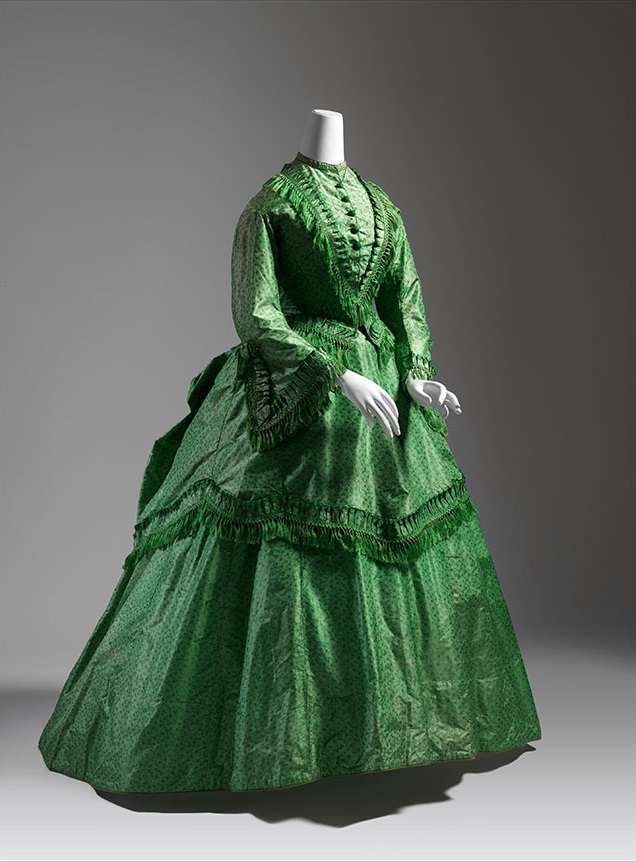
She skipped to the balls In her crinoline gown, With verdurous falls In the drapes of her crown. She rustled and twirled As she danced with their gaze, And pleatings unfurled In a deep-lustred prase. Hers was no ruby or aquamarine – The glorious girl in the emerald green.
All season she danced In her favourite hue – Her eyes were enhanced, And her blossoming grew. Her costume was styled To flicker the room – The beaux she beguiled, Her shamrock in bloom. Hers was no palette of altering scene – The glorious girl in the emerald green.
The following year As the bucks met to fool, They longed she’d appear – Their taffeta jewel. But salon and do Were all lacking her shade – They felt far too blue And in want of her jade. Hers was no presence, but absentee queen – The glorious girl in the emerald green.
Then shocking they heard Of her sudden demise – The poison transferred From the arsenite dyes. She wilted last winter, She couldn’t have known How deadly the tints were In which she was sewn. Hers was no longer, a tragic eighteen – The glorious girl in the emerald green.
A young woman dies In much retching and bile To set off her eyes And to brighten her smile. Her end was a blur With her lights in distress, But do not blame her For the tinge of her dress. Hers was no moral to vanity’s preen – The glorious girl in the emerald green.
She skips to the balls In her crinoline gown, And her glowing enthrals With a growing renown. Remember her this way From bodice to hem – A verdant display From a radiant gem. A shimmer and sparkle, a ripening sheen – The glorious girl in the emerald green.
More commonly referred to as Paris Green, but the rhythm of ’emerald’ suited me better.
“Big Ben is only the bell,” You smugly tell, But actu’lly, we already know. Except you’re wrong: It’s the bit that goes bong, And ev’rything else, above and below. Big Ben is the bell, And the clock as well, And even the whole bloody tower ! Ask any you meet On Parli’ment Street Whenever he’s chiming the hour.
A child is born in dead of winter, Child to bring the summer in – He teases rainbows from the sunshine, Lets enlightenment begin. He brings us universal laws – For as above, then so below. He shows the path that we must follow, Teaches how the heavens go.
Brightly shines his star above In both his eyepiece and his eyes – His clockwork earth perturbs the sun, His motion never dies. He shows us how all things must love – We all attract and all obey. So promises the savant one Who’s born on Christmas Day.
A child is born in dead of winter, Child to set the world alight – He mechanises all our fluids, Magnifies the heavens bright. He stands atop the giants’ shoulders, Calculates the cosmic story – From the leastest fractions upwards, His the powers and the glory.
He wants to save the human genus From the couterfeiter’s haul. Apples are the fruit of learning – Worlds shall rise to meet their fall. He shows us how the warmth between us Never really goes away – Hark the one who keeps us burning, Born on Christmas Day.
Many sources cite Isaac as being born on 25th December 1642, while many others claim it was on 4th January 1643. Both are correct. At the time of his birth, the Julian Calandar was still in use in Britain, but the 10-days-ahead Gregorian had been adopted in continental Europe (and more to the point, by the modern audience reading those dates).
Likewise, the day he died can be shown as variously 20th March 1726, 20th March 1727, or 31st March 1727. So, firstly, during his lifespan the Julian had drifted to 11 days out (which accounts for the 31st March reference). And secondly, the official New Year’s Day in England was 25th March, thus 1726 ran from 25th March to 24th March (four days after he died) – but again, this is often retrospectively adjusted (or sometimes half-adjusted, changing the New Year but not the Calandar)
All-in-all, a curious mix-up over a man obsessed with orbits.
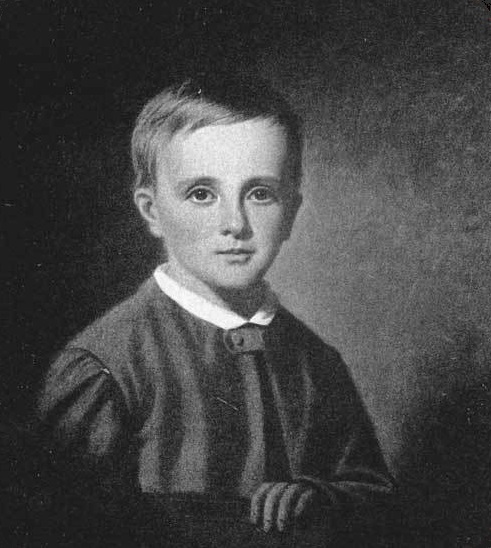
A Drummer Boy of the Royal Scots Dragoon by George Joy
Little Drummer Boy
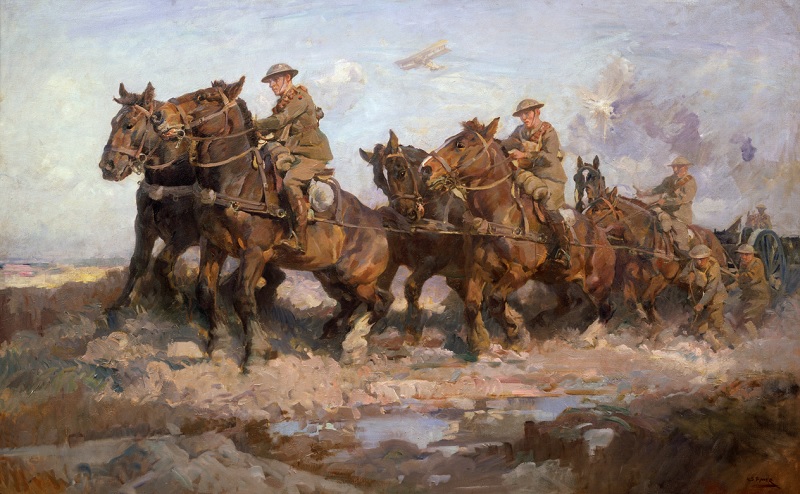
Rat-a-tat-tat, Came the boy with the drum, In red coat and drumsticks ’tween finger and thumb In his breeches of blue, With his skin taut and true, With a rat-a-tat-tat, And a roll and a thrum, He silenced the scrum With a snare tattoo – He may have been dumb, And his feet felt numb, But he pounded his drum In a one-one-two.
He played for the Lord, And the right of the sword, With his rat-a-tat-tat, And the planes and the bombs, On his tom-a-tom-toms, With a splat-a-tat-splat. And he drummed-in the troops With his patterns and loops, And he drilled the recruits In their berets and boots, And he stamped his feet For these proud mothers’ sons, In a perfect beat To their crack-a-crack guns.
On the holiest night, With a rat-a-tat-tat, He led the Lord’s might With a gat-a-gat-gat. And guided by drones, So he led the bombs home, Then marched all the dead out to Kingdom Come. With a rat-a-tat-tat, And a mournful hum, So the innocents died To the beat of his drum.
If God is not, and I believe, Then my mistake shall matter none to me – And when I come this life to leave, I matter none to void infinity.
If God there is, and I abstain, Then my mistake shall matter great and well – And when I quit this earthly plain, I matter none to He who saves from Hell.
If God is not, or God there is, Still our mistake, for taking up this bet. So ere our lives are done, know this – They matter much, they might be all we get.
Passing through Ypres, We paused for a moment to take in the Cloth Hall. By the cathedral we parked, And we wandered the Grote Markt, Charmed and yet chilled By the way they had carefully rebuilt it all.
The shops were all shut – (We’d come on a Sunday, just wanted a look) English words blared from their posters and flyers So locals or ex-pats ? We didn’t enquire. Their windows were filled With helmets and biscuits and rifles and books.
Then down to the Menin Gate – Far too triumphant and proud of its names: Look at how many I bear ! They all did their duty and lie who-knows-where. Just look at our killed ! And dare you resist us, and dare you lay blame ?
Rank upon rank of surnames, With first-names reduced to only initials. People I found myself wishing Had told their nations to carry on fishing – But instead, they had fought. And here were their names, to make it official.
The flags barely moved, And a few of us found ourselves holding our breath, And it all seemed so lonely and still And so thankfully long since the kill, And yet still overwrought – A faded and motionless orgy of death.
Ah, hindsight you rogue ! But let us not hate the hard lessons you tell. So maybe it’s time to finally suture, Time now for Ypres to find a new future. And here’s a thought: Maybe let’s spell it as Ieper from here on as well.