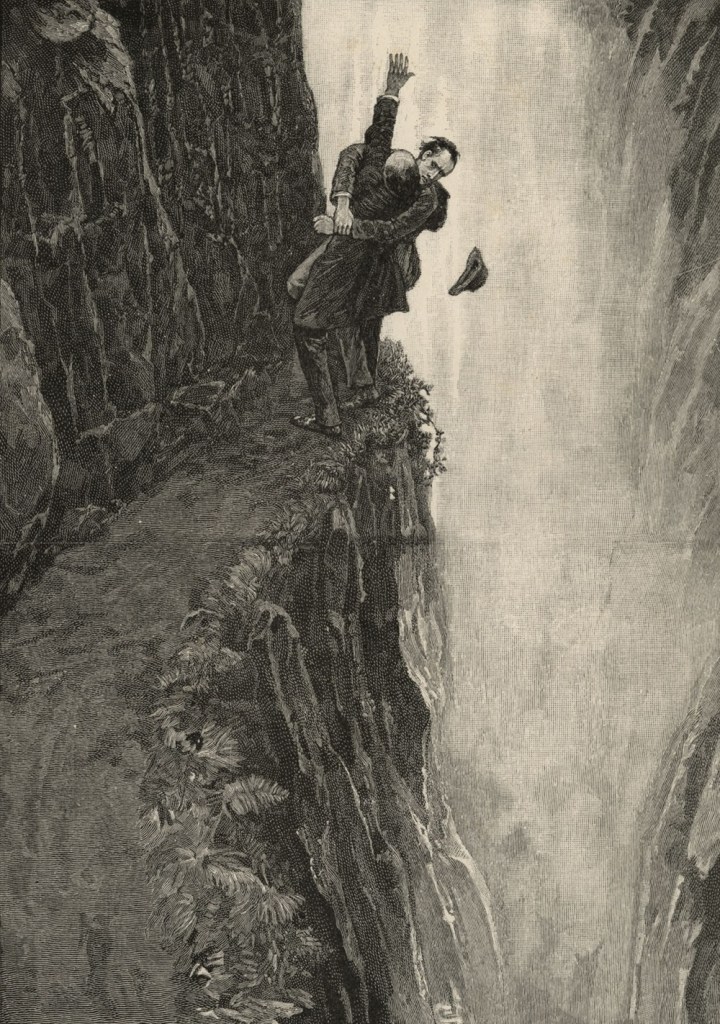
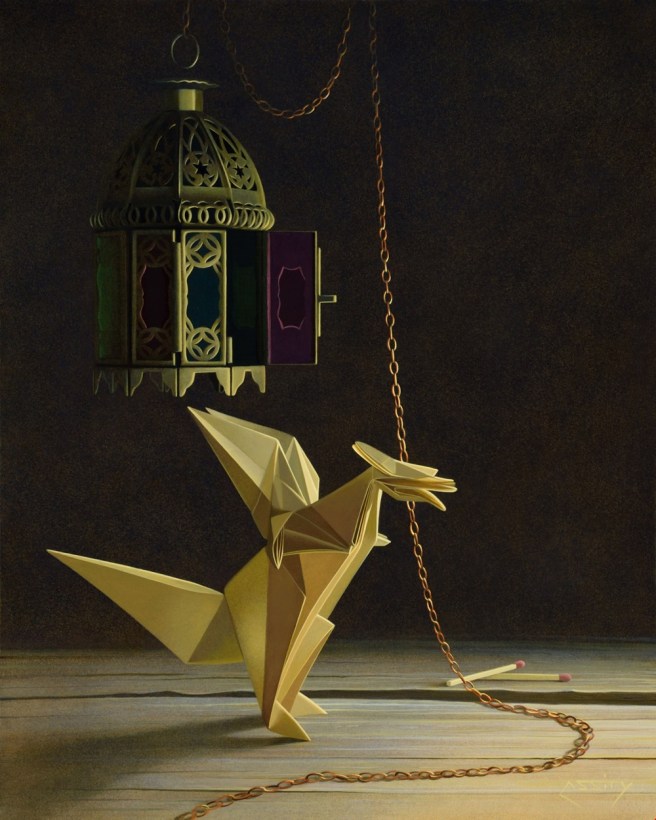
They come, from out of the pages, Lurching-on for centuries, Reanimated for the ages By the editors and mages Harvesting our cherished memories.
Too valuable to rest in peace, They’re resurrected, forced to dance – But the spark of life is cold within, And nothing but a rictus grin Reminds us of that once and lost romance.
The only way to dine on garlic Ev’ry day or two, Is to only visit friends who dine on garlic Just like you. So lace that bolognese another clove, And stir it in that fry, And then be sure to bring your friends around your stove To have a try. And don’t be so afraid to say très bon When sharing peppy dips – And don’t be shy to relish it when tasted on Another’s lips.
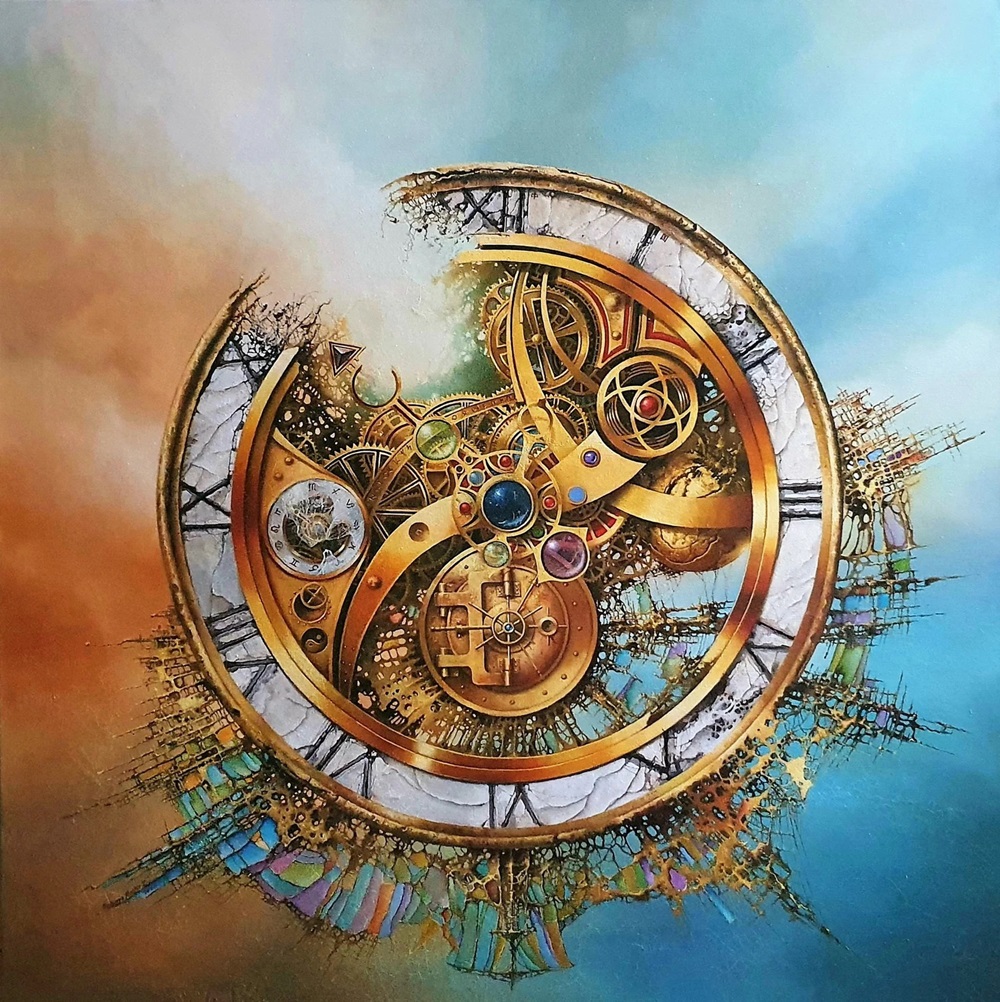
The clocks are haunting Daylight Savings, Goading us to stay in bed – In late October, ancient cravings Rear their bureaucratic head. We skirt with time, we loop the sands, Rewind once more the ancient rite – We must perform the dance of hands Upon the face of waning light.
The past is haunting Daylight Savings, Logic lost to undead rules. In late October, we’re the playthings Of the limbo hour of fools. We flirt with time, yet so habitual, Barely offer an excuse – We must perform the sacred ritual, Stop all Hell from breaking loose.
The trouble with a labyrinth, Is that it feels so foreign – Is that it has no logic To its endless winding paths. No hierarchy separating Avenues from warrens, As we trudge the many mazes On our lost and aching calves.
Our only means of finding out The route into the centre Is by choosing random tracks And by try-and-try-again – With a dozen unsigned junctions And a dozen doors to enter, To a dozen cul-de-sacs, And a single golden lane.
It makes sense in a dungeon, With its safety-at-all-cost, Or even on a garden, Where the mapless lovers sally – But why are city planners Quite so keen to get us lost ? Or to meet a Minotaur Down a twisty, unlit alley…?
Is anything more boring Than another psychopath ? He’s the laziest of monsters, That we’re somehow meant to fear. Just a clichéd bogeyman, Who’s killing for a laugh – Ho-hum, the same old slasher Whom they think we’ll dread or cheer.
Is this another true-live nutter, After fame at any price ? And we’re determined to reward them, Cos we’re really dumb. Or is it just a fantasy Of living through their vice ? Getting all our jollies Till our empathy is numb.
Best be wary Of Dante Alighieri, Whose hellish depiction Is turgid fan-fiction – Trekking round each Circle With Mary-Sue Virgil, While snarking in the sleaze Of revenge fantasies.
Strange how the Church Has bought-up all his merch, And turned this random blogger Into Pope-approved-of dogma. But worst of all, is any fool Who has to labour-through at school, Just hoping for a joke or three Within his so-called Comedy.
No wait, don’t hate, Don’t follow the gate That tells us “Nope, Abandon all hope !” My anger is alive In Circle number Five – But no, I must not dwell In this self-made Hell.
For Hell is more feeble – It’s simply other people With whom we disagree, Like Dante is for me. But to be more analytic, Then Hell is just a critic Complaining for eternity – Don’t let that carping voice be me…
The theatre is haunted, of course, Because, well, you know actors… An ingenue, I think, or else a restless dame – Or was the spectral source A longtime patron, or some benefactors Still attending shows just like they always came ? Expectation’s such a force And narratives are such attractors – No stage worth its boards can be without its ghostly claim. The theatre is haunted, of course – That must be the common factor, Why both the roof and the backstage gossip leak-out just the same.
I’m far too boring for parties like this – I’d rather be reading a book in the corner. I ought to mingle, but what should I say ? If I could hear their replies, anyway. But all around me are deep in bliss, So what right have I to be a scorner ? Force a smile, don’t bring them down, And cross the room before I drown. I came from a fear of loneliness, But now I feel more lonely than ever. Why does my silence feel like assault ? And why does it feel like it’s all my fault ? We’ve nothing in common but ev’ning dress – We’re separately alone together. Yet surely people like me exist ? But they won’t be found at parties like this.
This firefly is all a lie – He has no flame in him ! The light that’s seen Is cold and green – And most of all, so dim ! Flashing out his Morse, Of course, To bring the ladies in. At least he does emit a bit, And pimps his abdomin – Unlike the many lads in other species, Where the dads Leave all the glow-up to the dames. And some have given up entirely, Never even slightly fiery, In defiance of their names. I guess he’s earned the term, When he’s been sparking since a glowworm, Putting-on a show. But boy, he’s still a slacker, More a squib than fire-cracker – Just a pin-prick in the black, Who’s turned his wattage way down low. Or maybe it was all because his loneliness Was all a sign – A cry of fading prominence, A dwindling from the present tense, His species in decline ? They used to fly so thick, so dense – And even now, beside the fence, They sometimes congregate and look so fine ! Alone, he hardly glorifies – But when the fireflies fill the skies, That’s when they really shine !
How did ancients ever close their clothes, Do you suppose, Before the button was first threaded through the buttonhole ? Metal hooks or bows ? Who knows ? But what its lacking shows Is how quickly buttons sewed-up their control. But over time they frayed, As we fiddled, faffed, and flayed, And went awol as their stitches face abuse – They hold a fatal bug, Where a simple careless tug On a dangling string can let them on the loose. It leaves their hole a void Where they used to be employed – Forever lost, when all their bindings are unspun. But at least they’re silent grips, Unlike the noisy velcro strips, Or zips – But one day soon, they’ll surely come undone…