The 49th Parallel marks out the border That runs between Washington State and BC – And up on the 60, in similar order, There’s Yukon above and below it’s BC. British Columbia, British Columbia, More of a pigeon and less of a dove. As woody as Hampshire, as hilly as Cumbria – Very well named, is British Columbia.
Across the Atlantic, Britannia’s beached – There’s Jersey just north of the 49th line, And up on the 60, the Shetlands are reached – The latitude fifties, they’re yours and they’re mine. British Columbia, British Columbia, Just as far north – indeed, just as far south – From Caithness to Cornwall, from Rhyl to Northumbria, Ev’rything fits inside British Columbia.
I’ve mused on this topic elsewhere, focussing on the the other side of the ocean. Also, I feel it’s a shame that the map I used didn’t feature the rest of Ireland, though Kerry then would have been falling into the Pacific.
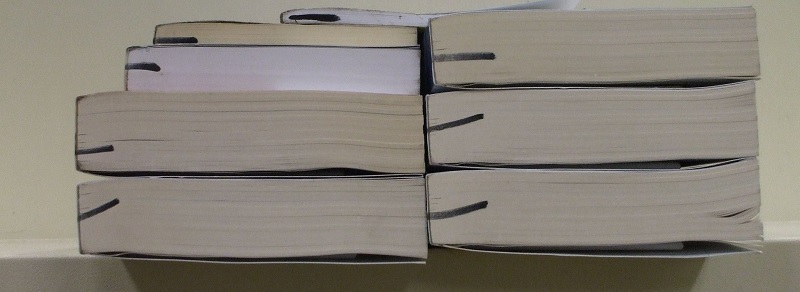
I read the most wonderous novel last year – So moving, so thoughtful, so witty and sheer. I think you’d enjoy it – it’s somewhere round here. So feel free to borrow, I’ll bring it tomorrow – It ain’t gloom and sorrow, but will raise a tear.
I don’t mean to hassle or bug or cajole, But these are the hands that have touched at my soul – Yet all of their beauty is wholly unknown – These pages get lonely to wander alone.
I heard the most marvellous album last year – So rich and inspired, so quirky and queer. I think you’d enjoy it – the vocals are clear. I’ll lend you the disk if you’re willing to risk – The tempo is brisk, but it long haunts the ear.
I don’t mean to pressure or preach or ensnare, But these are the songs that assuaged my despair – I long to belong, to be part of the show – And know there are others who know what I know.
I saw the most glorious movie last year So moody and epic, so lush and sincere I think you’d enjoy it – oh, please volunteer ! By all means I’ll lend what I sure recommend, For what kind of friend would not loan out their gear ?
I don’t mean to labour or pester or dwell, But these are the visions that saved me from hell. They may not be normal, they may not be rife – But maybe, just maybe, they may change your life.
I’m waiting to hear what you thought of my dears, Waiting for rapture or rancour or sneers, Waiting for days and for weeks and for years – Until they come sheepishly unopened back to me – And still you will miss how remiss this appears.
I don’t mean to censure or grumble or such, For you are my friends who have given so much – Yet still you don’t think or else still you don’t care When you once again leave me with nothing to share.
A publisher picked up my poems And gathered them into a book. I thought I was made, my future was paid, My fortune assured in Mercedes and jade – Alas, so I greatly mistook.
The public all favoured my poems, And earned me the best-selling book. But sad to behold, just two hundred sold – My train hadn’t gravy, my bank hadn’t rolled, My economics unshook.
My publisher lauded my poems, Promotions were planned for my book – His numbers were great, and he just couldn’t wait For the readings to start which would quickly inflate The revenue earnings I took.
“The public will listen to poems, But won’t read them out of a book. You wanna earn cash ? You gotta be flash – Verses on tour is a lib·rar·y smash, Using your voice as your hook.”
“But I am a writer of poems, No actor that agents can book. My thing isn’t talking, my vocals are squawking – You wouldn’t demand this of Professor Hawking. This stagefright I just cannot brook.”
A publisher picked up my poems, But had to remainder my book. I cannot recite with the passion I write, So here I am working at Tesco by night – My words still in search of a look.
Don’t you come around here I’m warning you, don’t you come around here, boy Cos I won’t be home, d’you hear ? Cos I won’t be here when you come around here, boy So don’t you come knocking I know that you’re in there Said don’t you come knocking You’re silent as sin there There’s nobody home, cos I won’t be unlocking There’s nobody home, so you don’t you come knocking Your TV is flickering somewhere within there You’re neighbours are bickering, winos are liquoring Street kids are snickering. What do I care ? And I can wait days And I will I can wait days, and I’m waiting until You open your door and you find me here still You open your door, cos I’m knocking Why you so stubborn ? I guess I just am So stupid and stubborn I’ve no sense for damn You’re shabby and sloven, a slacker and screw I bet you’re on acid, and reefer, and glue Your vision is flaccid – your timing is too I guess I’m a bit of a shambles, a clam I guess that I get it from you Now if you was plumbing to tap me for shaking You’d better just come in, there’s nothing worth taking It really ain’t that way, I’m hitting a wall I just need to talk yer, was all You just need to talk, eh ? And split a few beers You just need to talk, after how many years ? Thing is, there’s nobody else I could try Not Ma. Not the guys. Not Father MacKay My girl, see, my girl is – well, she’s gone and got… Well, me too, I guess, it was my fault alot But I never got no sense for damn You mean you done gone and got your girl with kid ? Jeez, of all the stupid skid you did ! This takes the slam I know, I know ! What could I do but scram ? Oh. Now I see You rabbit out and think of me And hope you find a life so bad It grits you up to be a dad But maybe what you find, my lad, is reasons worth to flee But then one day, some years away, when you ain’t clocking They may come knocking.
“A poem that never has thoughts within lines, but which carries each phrase and each sentence about between one line and next, as its structure is cut into sliver and strand that looks hard to read out”
– The Oxford Iambic Dictionary
No. You’ve done that wrong. This is a poem – notice the lines. They’re not just there to say “this is a poem”, Or to make for pretty layout designs. They are there to guide us along – This is crucial – notice the pause – The extra beats we don’t say, but we know ’em, That little silence that underscores. And the rhymes, the heart of the song, Don’t bury them all in the throng. So once again, and let ’em come strong –
“A poem that never has thoughts within lines but which carries each phrase and each sentence about between one line and next as its structure is cut into sliver and strand that looks hard to read out”
No, you’re still not that tight how you’re fitting it, No, it’s still not quite right how you’re hitting it, You’ve really gotta recite as they’ve written it, There’s no need to fight it to get it to knit – The breaks, the breaks, That break up each sentence In separate takes Of its clauses and thoughts. Look to the breaks as the structure and entrance, And look to the pauses that each line supports. Trust in the poet not to blow it, but to know, How to slow it, how to go it, and to show it all so. Follow their signs, let their lines set the flow –
“A poem that never has Lines within lines, but Which carries each phrase and Each sentence about Between one line and next as Its structure is cut Into sliver and strand That looks hard to read out”
The Audacious Free Will of the Predestined Chrononaut
Into the future we charge, We travellers in time, Past all of the past and into the future. Tachyon trekkers at large, In our own time, From marcher to moocher – But all of us heading in one direction, Through the temporal intersection: Into the future we barge our way, Each and every day.
There’s some say the future already exists And it does ! We’re in it today. This is the future, as this is the past, And the one hold the other in sway. We may like to think that we’re free how we choose, But however we choose it, a future arrives. So best to ignore it and get on with living, Before we have run out of lives.
We are the eyes of the future, Spying on history, Witnessing first-hand the long-dead past. We are the ones who are there, And writing it down, So the future can read it at last. They pay us with hope, from their endless supplies, Of the glories to come if we only choose wise. So the eyes of the long-ago future will see In time with the past yet-to-be.
There’s some say free will is just an illusion And lives are determined and fast. That’s true for the future – their choices are narrowed By what we do now in the past. We may like to think that we’re free how we choose, But however we choose it, we still live our lives. So best to ignore it and get on with living, Before all that future arrives.
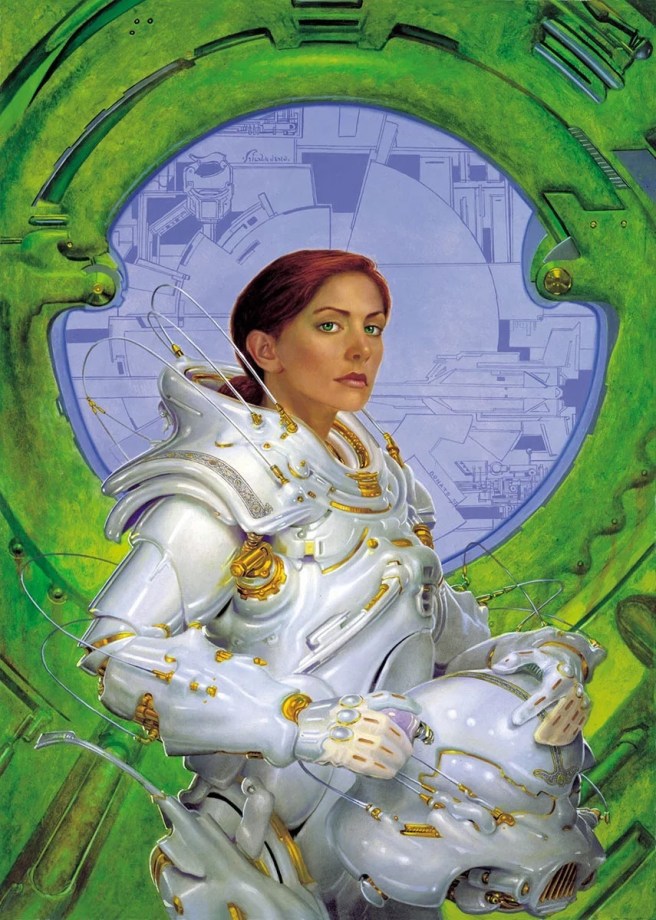
She did not wake this morning, nor this afternoon, nor eve, And all this week she’s spawning ev’ry dream she can conceive, And the daylight still she’s scorning for the visions she shall weave, Till her health begins its pawning for the means to stall her leave.
The poem is not about a statue, but I do like this sculpture.
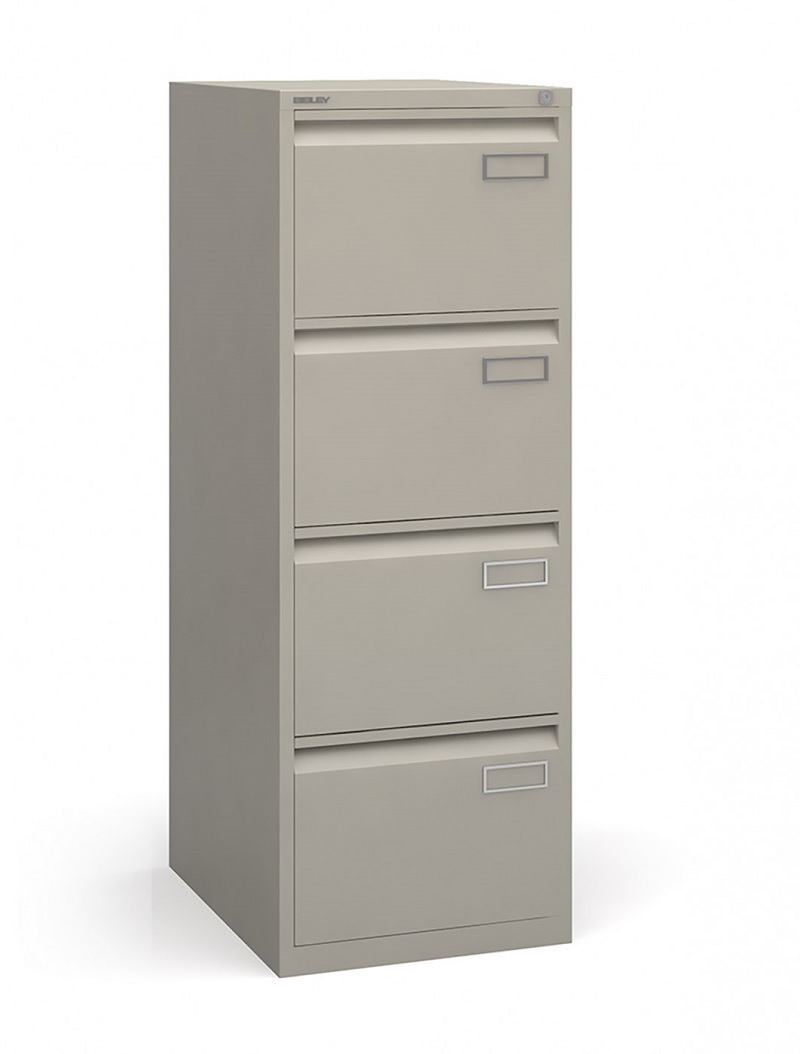
Filing, filing, They must be got in order, Thought who’d be such a hoarder To let them stack so deep ?
Filing, filing, A papery assortment Of doggery deportment, And thoroughly asleep.
Do they rustle out in vain, And yearn to be of use again ? Or do they long to end their plight With damp or flame or paper mite ? Either way, the data’s piling – Only remedy is
Filing, filing, So endlessly abundant, So battered and redundant, So crumpled and a-crease.
Filing, filing, They served so well their placement, So box them in the basement, And let them rest in peace.
Oh, shut up Wendy, carping still, Like a Guardian trendy, elite and crabby. I suppose you write your poems with a quill By candlelight, in a world chock-full of balladeers. But I warn yer, without the engineers There wouldn’t be a corner, for there wouldn’t be an abbey.





 Rhyming Couplets