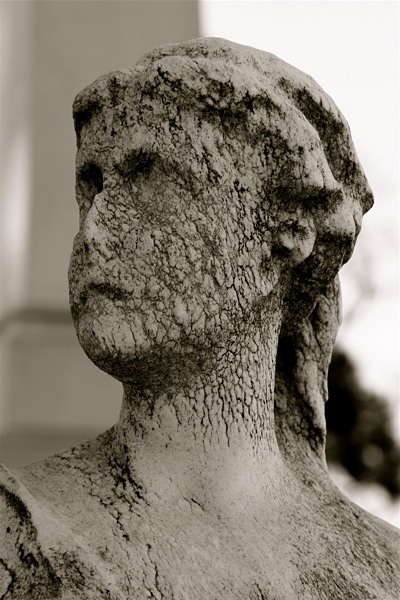
One god, two gods, Sitting on a cloud, But we killed them both for dead When their wrath was disallowed. Three gods, four gods, Lurking in the gaps, But we winkled all them out When we stole their thunderclaps. Five gods, six gods, List·en·ing to prayers, But we did them out of jobs When we always dodged the fares. Dead gods, fled gods, Nothing left to show – Five thousand down, And one more to go.
Ah love, the reddest of congealings Oozing out of ev’ry pore, And pouring in from ev’ry spout, And weeping from each sore – This slushy syrup’s seeping out, A haemorrhage of metaphor. But if this rising tide of treacle Is the honey without equal, If love must be sickly sweet, I guess I’ll have to grab my spoon and eat.
Ah love, the Romeo of feelings, Acted out for evermore, With nothing new worth saying, And the sayers such a bore – The role we’re always playing, Like the millions who came before. So how are we to find the heart When offered such a clichéd part ? But if we cannot be the first, I guess at least this script is well rehearsed.
Ah love, the feeblest of concealings, Giggling its guffaws galore – The grinniest of poker faces, Blurting out the score. It favours twos to lonely aces, Bids on hearts and bets the store. You know, a sharp or cynic could Defraud such love of all that’s good – But maybe I’ll relent today, And sigh, and shrug, and ante-up to play…
I might glimpse you in passing On the bus or in the park, Or on your way to mass, Or at the flicks, or after dark. You sometimes wear the cutest cap, And ankle socks and shorts – As I shift my coat upon my lap To hide my inner thoughts. I never did a thing to show, The thing that you can never know:
I don’t know why I’m made this way, you see, But so I am: I can’t deny these thoughts are part of me, Behind the dam. And like as not, will always be, But there they’ll stay, and never free – For even you can’t turn my key: My will is strong, my lamb.
Inside, I long to clutch you, But instead I’ll run a mile – And I’ll never even touch you, And I’ll never even smile. And I’ll hate myself a little, Or I’ll hate myself a lot, Cos I know you’re far too brittle For the loving that I’ve got. I never did a thing to coax – But run along, here come your folks.
So sharpen up the pitchforks, tie the noose, And watch me dance. I’d plead my innocence, but what’s the use ? You’re all a-trance. Why wouldn’t I commit abuse ? I broke no law, but what the deuce, You can’t abide me on the loose ! Why even take the chance ?
I know that feeling that you feel, That urge you feel you have to act upon. But take my word, it isn’t real It’s just an urge that we can heal – We can resist, for we are steel ! (Although, in truth, it’s never fully gone.)
Don’t vent your hate before your children, That won’t do. Don’t let them see and learn your hate – They’re only young – it’s not too late ! If you hate me for loving children – Leave me be – because you love them too.
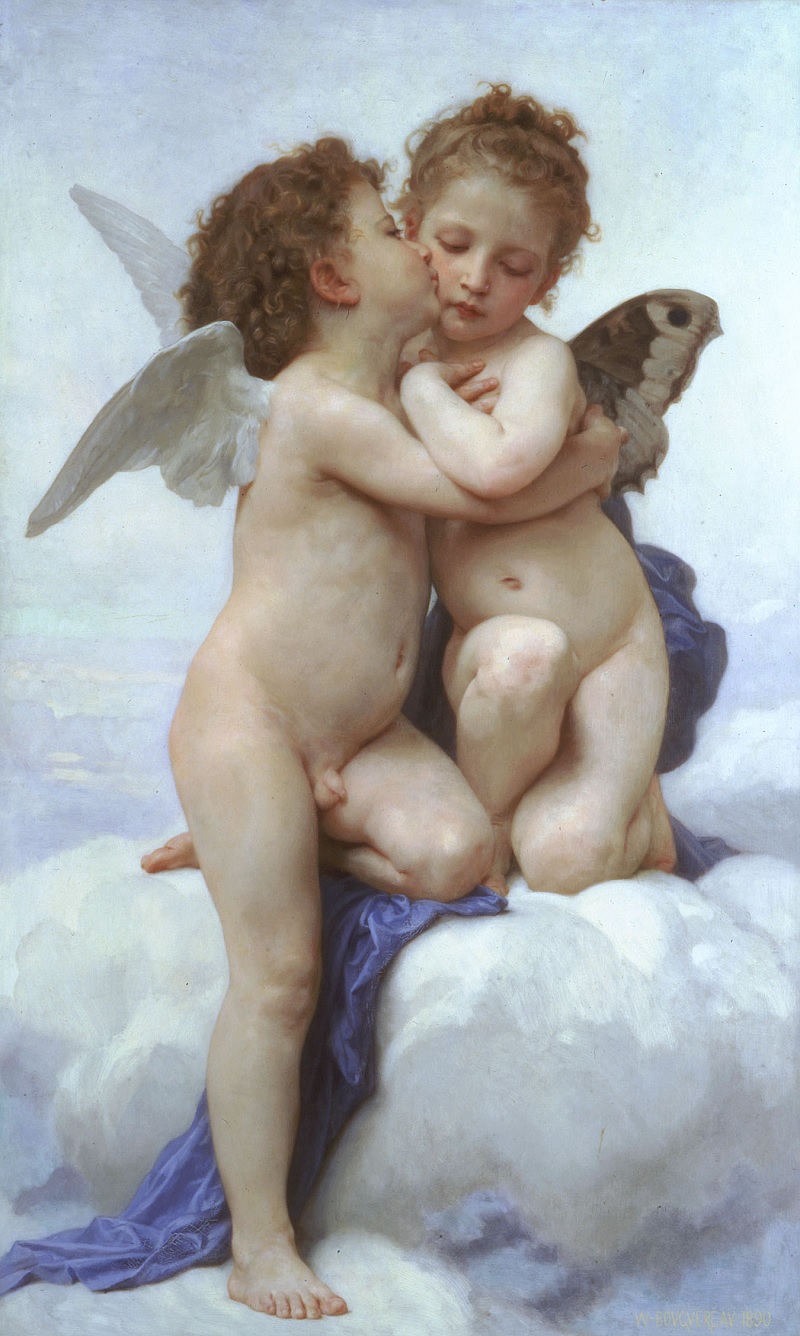
I don’t mean to imply anything about the artist – Victorians certainly fetishised children and childhood, but in a very idealised and utterly non-sexual way. It’s just strange to look on these types of portrait with our modern eyes.
“Ever since Robert Newton played Long John Silver in 1950, pirates have all spoken with the same accent.”
– The Dorchester Echo
Curse ye, Robbie Newton ! Curse yer lily-lubbered hide ! For thanks to ye, all pirates be The yokels o’ the crimson sea ! We used-a hail from Luton, Or Nidderdale, or Morningside – But now it’s said we’re born an’ bred In Lynmouth, Lyme an’ Lizard Head.
From the Needle to the Scilly, Round the Bill and up Goonhilly, Fowey to Zoyland, thar we blow From Durdle Door to Westward Ho !
Ye scurvy-livered, timber-shivered blaggard, Robbie Newton ! Ye turned us to a joke, to a’ the folk that we be lootin’ ! Ye’d have us be a parody o’ bushy-bearded mutiny, A pantomime upon the sea, jus’ pussycats freebootin’ – We should be briny soldiers, but who could fear our bands Wi’ these parrots on our shoulders and these hooks upon our hands ? Ye’ve decked us in a strange disguise, wi’ peggy-leg an’ lock-o’-dread, An’ always wi’ the patchy-eyes fore’er a-lookin’ ’skance. We used-a be the buccaneers o’ Buckin’ham an’ Birkenhead, But now we’re jus’ the poxy-pillaged pirates o’ Penzance.
From Portishead to Plymouth Hoe, We’ll drag yer name to ten below. From Brizzle Dock to Davey Jones, We curse your skull an’ cross your bones !
Haikus – poems of failure – Pintsize tweets of mental fluff. Exotic in regalia, Just self-congratulating puff. Strangely obsessed with the weather, And crushingly serene – Thinking they’re oh-so-clever For counting to seventeen.
Yes, that’s right, I said haikus with a pluralising S. If this upsets you, you need to stop speaking English altogether.
Scrolling through clouds, looking for stray wit, But all I find are random ramblings – Nothing to say and urgent to say it, Clickbatey rants and cancelley gamblings. They’re over before they’ve even started, Afraid they’ll overload our brains. So much hot air, mentally farted From airhead blowhards and weathervanes. Puffed-up vol-au-vents of text, Finger-food with little flavour, We swallow them whole and move on to the next With nothing to chew and nothing to savour. And yet, what is my bitesize verse But an unasked opinion, a shouted letter ? And surely these poems are even worse, Cos they always think they’re somehow better…
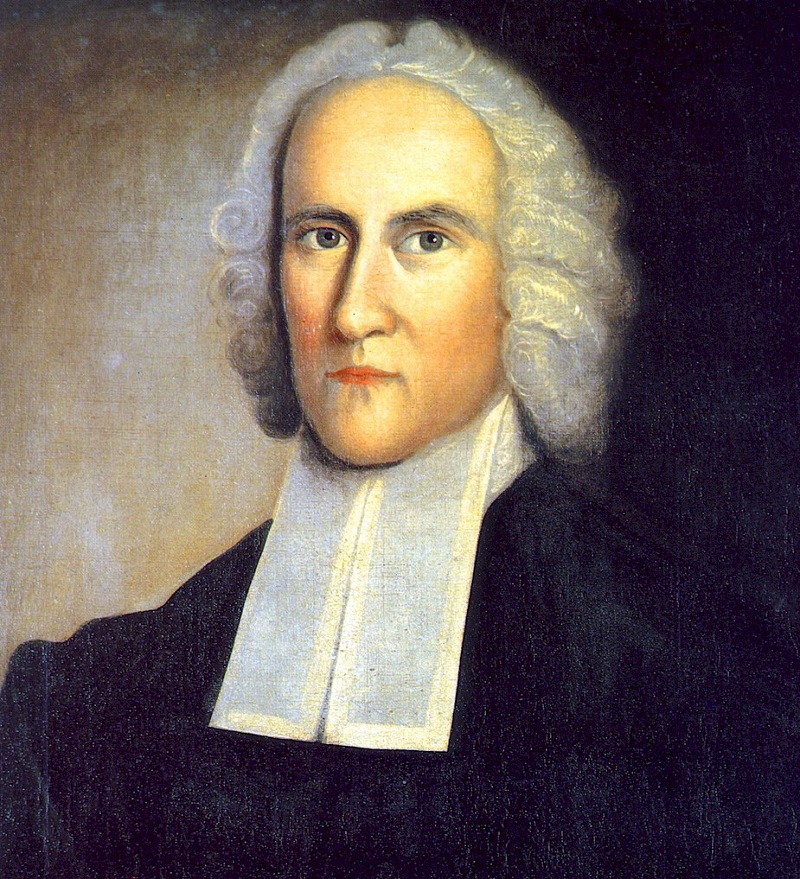
The painting has nothing to do with the poem, I just like it.
I know the temptation – any stick to diss them, Any ally welcome, any grudge a friend – Any note of caution is abject criticism, Any mediation is weakness to the trend. But surely we are judged by the company we keep, Regardless why we keep such clientele – The rival of my enemy might sometimes be a creep Who should really be my enemy as well. Real politic with an opportune autocracy Is just another way to say hypocrisy.
Hear me now, for this is wisdom, Handed down the generations: This is where the rule is from That founds all laws and inspirations. Thrice they spake a noble precept, Thus salvation’s road is three-stepped.
Firsly: be a better neighbour Loving all the world as brothers. Second: we must welcome labour – Work is virtue like no others. Thirdly comes a code most shapely (Though just what, I own, escapes me.)
Therefore, speak unto all fellows Honest words – no slanders mutter. Never shirk to work the bellows, Turn the earth, or churn the butter. And that other thing: pursue it – (What it says to do . . . well, do it.)
So behold: three schemes for living – Three the ways to languor foil. First there’s love, respect, forgiving – Next there’s graft, provision, toil. Third comes…what ? Oh, saints preserve me ! (But I’m sure it’s mighty worthy.)
One man drifts upon a door – Too far from home, too far from shore, Without supplies, without an oar. Or so I’ve heard it told. Both he and raft, three days ago, Were languishing upon the deck – Now all the rest are ten below, Yet he by chance has fled the wreck. Instead, he gets to starve and stare At water, water ev’rywhere ! Beneath the fierce, unflinching skies, He waits his death and hungry flies – When shadows cross his salt-caked eyes… A figurehead in gold !
So weigh the anchor, hitch the stay, We’ll blow you back to yesterday – We’re all adrift and outwards bound, An island’s waiting to be found. So dance with the carambola, By the fair isola of the giorno prima, Ev’ry newborn gleamer.
One man drifts below a prow Too far from home – but safer now, If he can only climb somehow… And so our yarn sets sail. Up top, he finds no sign of life, Yet down below are cages crammed With birds, and beasts, and flowers rife: As live as he, and just as damned. A hold here to behold ! All brought From out the land he sees to port. But where are they who stocked this store ? If only he could swim ashore, To the island of the day before… Ah, therein hangs a tale…
So drop the anchor, be becalmed, We’re porpoised, parroted and palmed In paradise, in distant climes A long long way from Greenwich times. So dance with the mola mola, By the lost isola of the giorno prima, Ev’ry shipworn dreamer.
This is based on the opening of Umberto Eco’s novel.
Locksmithing looks like a lonely profession – You get out to meet with the public, for sure, But only the once, on your knees at their door. You wrestle my barrel with little progression – I’d naively pictured a surgeon-like skill: Lockpicks and skeletons – rather than chisel and drill.
You work with me watching you over your shoulder, Incase your tools gives my lockplate a nick – What else can I do as we wait for the click ? The drizzle picks up and your fingers grow colder, Still trying to jiggle and jostle and jolt – My whole life is trapped by a quarter-inch tamper-proof bolt.
And as for my neighbours – despite all your racket While drilling-out, hammering, jemmying, screwing, There’s none of them come by to check what you’re doing. I s’pose I’ll take solace in how you must whack it ! I guess my old lock kept me truly secure – A pity you must rip this hero from off of my door.
Finally ! You swing the door open to grant re-admittance, My castle is taken – besieged, though benign – And all my possessions are once again mine ! Though looking around, it feels like a housebreaker’s pittance – My lack of ’lectronics and marble and chrome Was probably all this time keeping me safe in my home.
You offer me three diff’rent grades of replacement, With some anti-bump, anti-snap – and you grin: “With this one, not even a locksmith could win !” Though all this is pointless if I haven’t locks on each casement – No-one will sweat on the strongest-held link If the toplight’s ajar once again by the sink.
At last, I’m shaking your hand and writing your cheque. Despite the assault on my fraught liquidity, I have been saved from my own stupidity. I show you at last to the door, which you brought back to spec. “We shan’t meet again, I pray !” Your expression Makes me think locksmithing looks like a lonely profession.