Spiders have eight, and box-jellies twenty-four, Scallops have hundreds, and dragonflies thousands, And digital cameras even more ! But vertebrates make do with two, Plus the odd ocelli peeping-through – But only a couple of retinas – A pair of light-bucket dishes – Well, except for a few strange fishes ! And I don’t mean the four-eyed anableps, Who see through both the water and air, And focus the light through diff’rent steps But onto the same old patch of cells, That parallels the ones we chordates share. No, I mean the brownsnout spookfish – They may not look as swish as barreleyes, Until we realise that here may be The ancestor of a whole new tree Of multi-looking vertebrates to arise – That one day may just populate The future Earth with their future eyes.
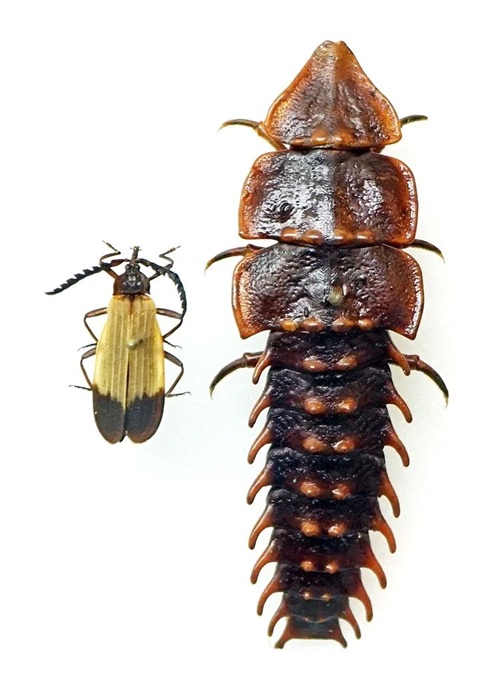
Trilobite beetles, showing the adult male (l) and adult female (r)
Larviform Females
Larviforms are ladies who remain forever young – As they climb-up through the instars but won’t reach the highest rung. So they stay as grubs or maggots or as caterpillar bags, Where these slow and wingless-women are such lazy lallygags. Most will still pupate, but then emerge as they went in – Or at least upon the outside, though their innards had a spin. So they still have genes for adult-forms they’ll never get to wear, But they do tend to be larger than the chaps, so plusses there. I guess it works for them, as long as blokes can come and find them, And they get on with the job that evolution has assigned them. So they’ll never get to fly, but still their shells are looking smart – Maybe larviforms are ladies who are just big kids at heart.
Larviforms are a kind of neoteny, which I’ve discussed before.
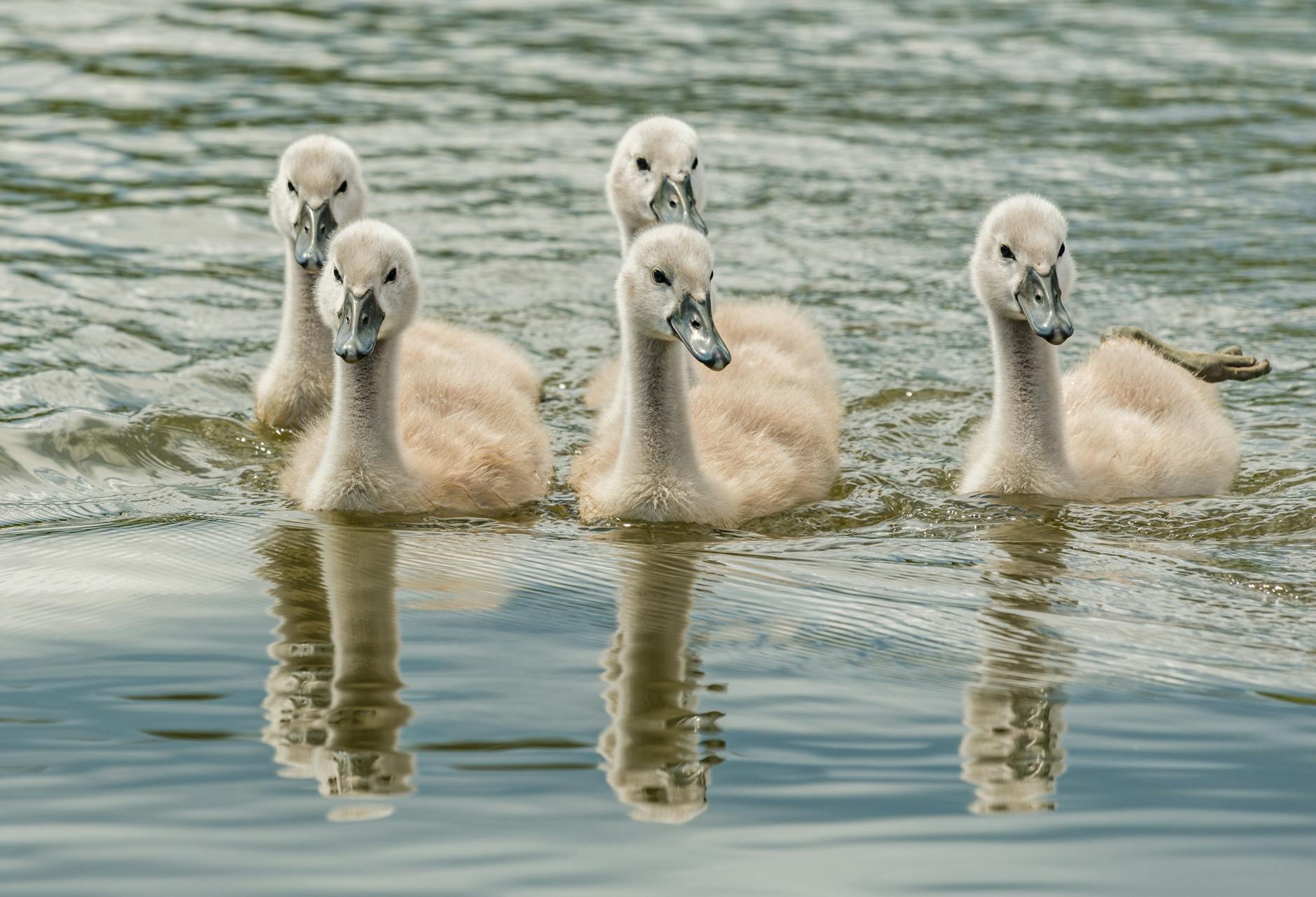
The pair of swans along this stretch this year Haul ten in tow. Ten grey balls of hatchlings in a row. Yet in a month or two, I fear That only five remain – As pikes and gulls and foxes thin the strain.
In the past, my ancestors would breed The same way too – Investing in the odds to see them through. Famine and TB could not succeed, For I am here today – Yet dread how many died along the way.
For months the swans will teach their young, But still their numbers drop – They surely notice what they cannot stop. Of all the ten that they’ve begun, Just one or two will fly – It’s no life for a parent, but they try.
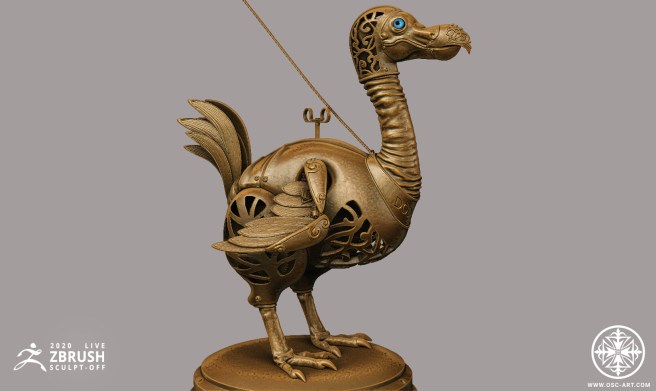
Dodos are dead, but are they as dead as a dodo ? They ain’t no doornail, sure – How can they be dead in toto ?, We’ve all seen the photo From some exhibition or tour. Cos even extinct, we’ve still got a load of them stuffed, Displaying their strange allure. So though their species is cuffed, They’d be pretty chuffed If they knew how they still endure. See, dodos have fostered a posthumous fame, They’ve entered our public lore – The Quasimodo of hubris and shame, They’ve stepped up their game To embody the perfect metaphor. So dodos are dead, but their digital DNA code Lives on in a lab, still pure. Maybe some day, we’ll get it to load And be bestowed By dodos who finally found the cure.
for completeness, here’s the original image in full.
The Teacher of my prim’ry school, Had a class terrarium – I used to think it far more cool Than an dull aquarium. What was in it ? It wasn’t ants, Or butterflies, or bees, Nor stick-insects on potted plants, Or circus-ready fleas. Woodlice would be far too small, But these were large as brooches – And the Head had ruled out, I recall, Tarantulas or roaches. I do remember chirping, But I don’t think they were crickets – Rather, they were something lurking, In their tank of wood-chip thickets. Very shiny black, they were, And safe for us to handle – The kind of pet the schools prefer, That wouldn’t cause a scandal. Ah yes, they were bess beetles ! And the best beetles around. They were so pretty, yet discreet, When burrowed in the ground. They lived their lives on rotting wood, With their not-so-many grubs, Which they cared for like a parent should – By giving belly rubs. And they’d recycle wood, as well And clean the forest floor – Whenever they were low, it fell to me To give them more. The Vicar, when he came to school, Just loved to point them out – He found they were a useful tool To help us be devout. Even the fathers got involved, As their kids reached adulthood – It seemed these insects somehow solved The trick to being good. These were godly creatures, he would say, Almost Confucian – He never mentioned how they came that way Through evolution. Or how they’d eat their excrement, their frass, To redigest. That wasn’t the sort of thing for class !, And wouldn’t be on the test… Me, I loved to handle them, They never bit or scampered. Even their young I couldn’t condemn – Those maggots plump and pampered. And they even sang to them, soft squeaks, And lived a year or two. In insect terms, these guys were freaks, Yet ev’ry bit as true. Bess beetles, betsy bugs, These patent-leather passalids – All wrapping up their larvas snug, To help pupate their kids. Industrious, yet safe and pure, In their tight-knit family – There’s a metaphor in there, I’m sure, But it was lost on me.
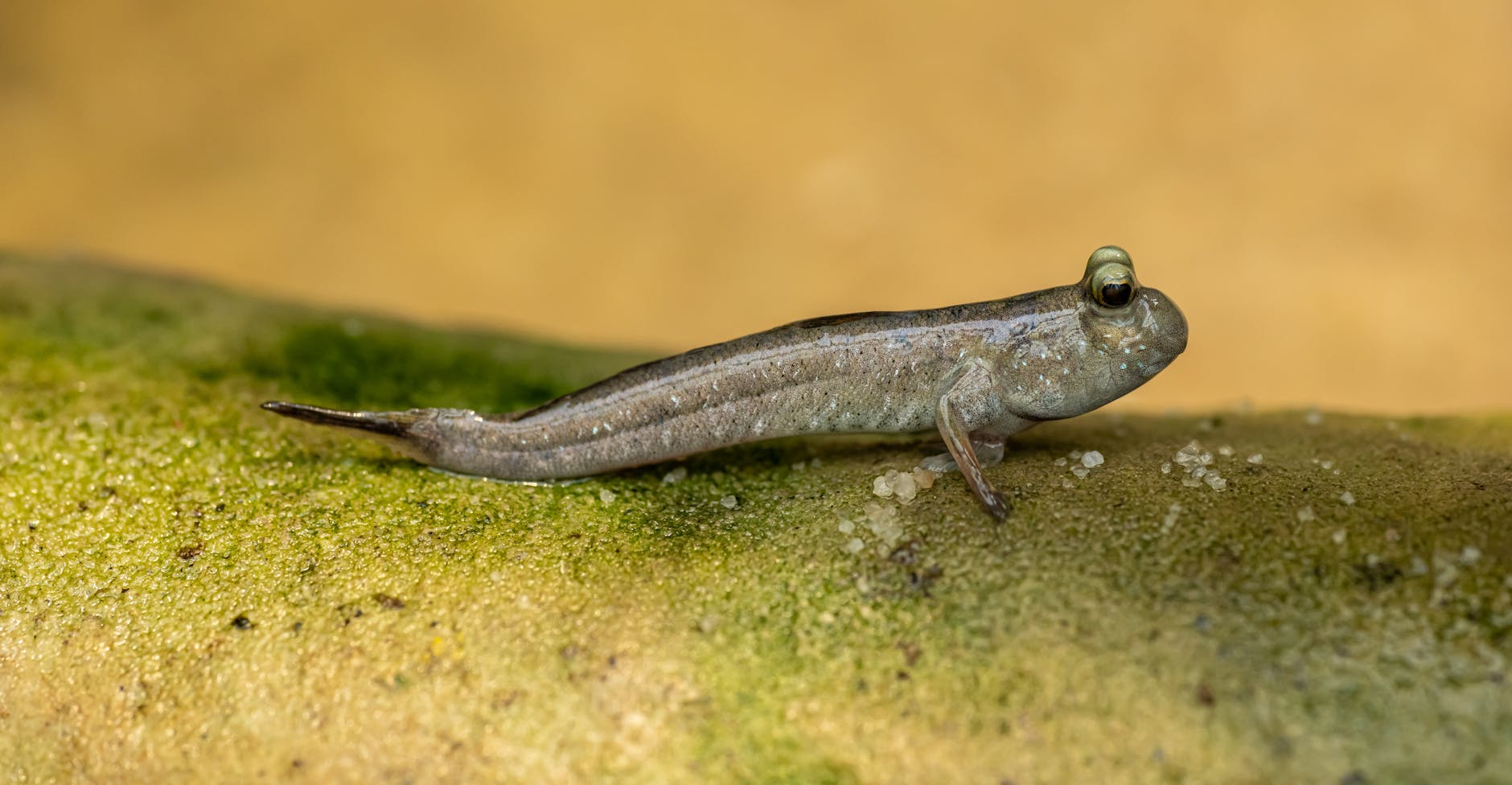
Bichirs, eels, and climbing perches, Sometimes swim and sometimes crawl – See their wriggles, flops, and lurches, Up up out of the water all. Like lobe-fins did so long ago, They make a hopeful bid to leap and grow. Distant species such as these, Who gulp the breezing air with ease – Distant species, all who please To give the land a go.
But why do gobies only skip the mud of late, And not before ? Just what has changed to make it worth the risk to skate Upon the shore, And dip their ray-finned toes upon the sands of fate Once more ? For surely, this cannot be new – This must be something that they do Since days of dinosaur.
I guess that they were out-competed, Couldn’t play the odds – I guess they found the land replete With hungry tetrapods. So why did they think they ought to ? Small fish from a big pond, Who sought beyond for everlasting worms, And spurned the nice-yet-dull – These fishes-out-of-water, Inventing bicycles.
Mudskippers diverged from the other gobies around 140 million years ago, or at around the time of the American Civil War according to this method. Of course, that doesn’t mean that their particular lineage of goby started venturing out of the water until much later, though I cannot find any details as to when this first happened.
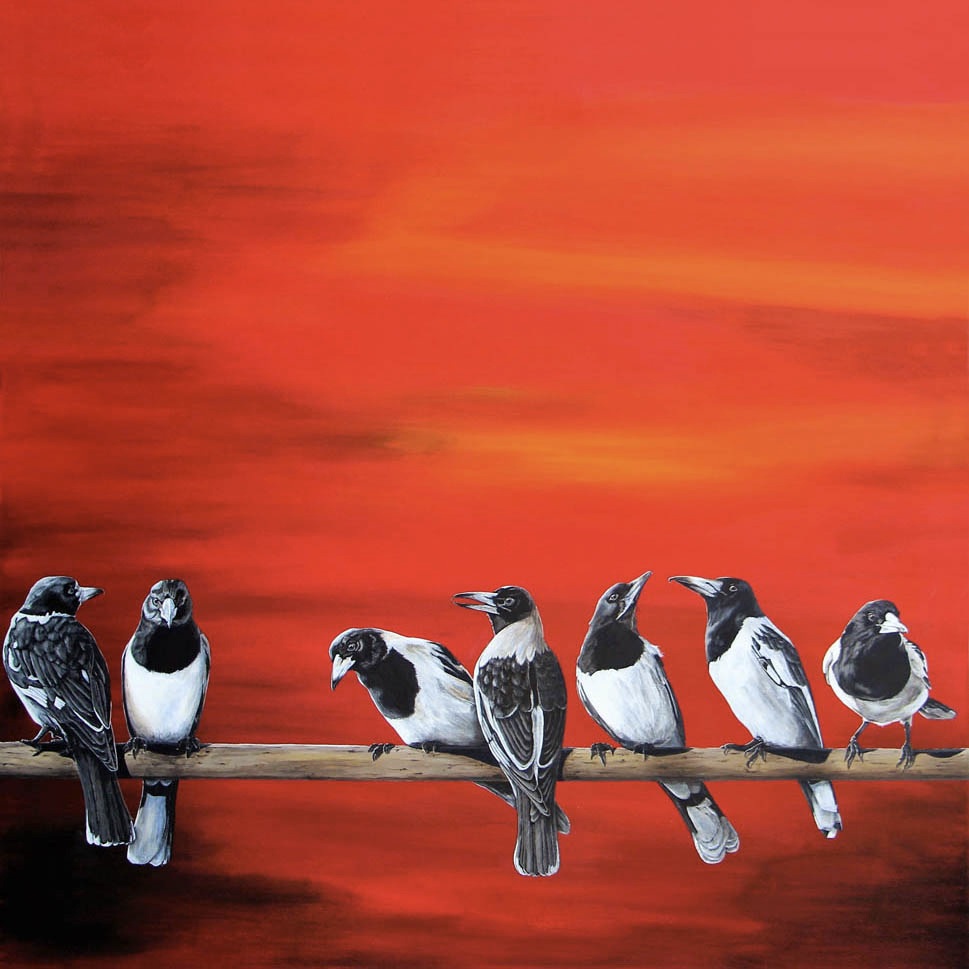
Magpie-mimics, pseudo-shrikes, In apron-fronts and axeman-hoods – They hang their excess kills on spikes Around their Aussie urban woods. Lizzies, hoppers, chicks and mice, On thorns and barbs and obscure ledges – Bringing their suburban vice To tuckeroos and privet hedges. Where creeps the white trifolium, So fly these cheerful songsters – Where lays the fresh linoleum, So roost these hipster monsters. But most of all at nesting time, When elder siblings lend a wing – They form a gang, a clan of crime, Whose name they proudly sing.
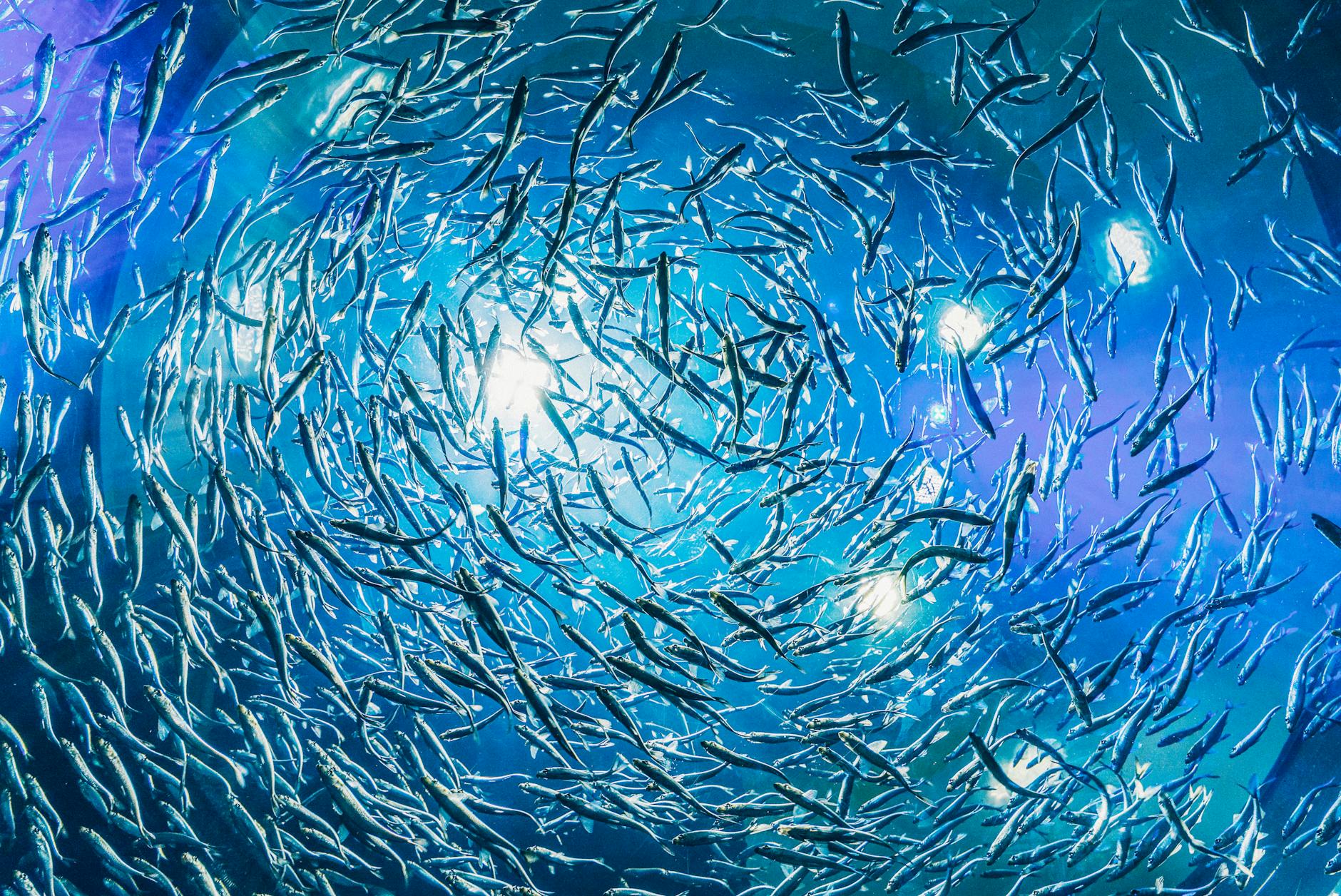
Do fishes school in shoals Or shoal in schools ? Who cares ? Who sets these rules ? And are they herrings or are mack’rels ? Sharks just see them all as sprat-kills, Be they hammerheads or bulls. And dolphins call them balls of bait When wolfing fins onto their plate With click-and-bubble tools. We ought to ask the swarming bunch, Except, it seems they’ve gone for lunch… The fools !
The names of dogs shall change and flex, With the rise and fall of Gus and Rex, As their names are called around the lido – Though these days, no-one calls Fido. Folks in the park are a diverse lot, And so are their dogs – but none is Spot. Some names, it seems, are truly over – Hello Lola, goodbye Rover.
The jumbos joined the battlefield, To put the steeds to fright. For what use were mere horses In the face of so much might ? But the other side were not done yet, This wouldn’t be a rout – They launched their secret weapon As they rode their mammoths out.
So the jumbos and the mammoths Clashed upon the battlefield – They flared their ears and trumpeted, And neither side would yield. They reared-up on their hind legs high, They broadsided and barged, And they shook the ground beneath them As their ten-ton leaders charged.
But what with all their bellowing To war and kingdom-come, It soon become apparent That these hunks were not so dumb – They targetted the riders, Pulled them off with probing trunks, And skewered them upon their tusks, And flayed them into chunks.
They stamped upon the humans, And they kicked them from their path, Till they were the last ones standing In the bloody aftermath. And they touched their heads together in a truce, And sallied forth – With the jumbos on to Africa, And mammoths heading North.






 Rhyming Couplets