I went on down to the Tate today To see the pompous, macho art – Art that’s oh so very clever, Art that’s far more smug than smart. It hates so much to be attractive, Loves to interrupt the brain – Wants to make the world more ugly, Wants to dare us to complain.
But most of all, this art is terrified, It’s scared of beauty and of ornament – Frightened of a crafter’s gentle pride, And what to do once all its shock is spent. But most of all, it’s frightened we might think it gay, And desp’rat’ly it butches up its empty walls. But I really loved my trip down to the Tate today – By far the best of spots to view St Paul’s.
On the Inability of many Victorians to adequately append to their Dissertations such short and succinct titular Benamings as would better serve their weighty Publications without exposure to crucial Details of sundry Devices and Plots thus delineated by which the presumed Reader is disprivileged and their subsequent Enpleasurement undersated.
The rich live in houses, the poor in cells, This is how classes are classed – From Kensington Gore to Tunbridge Wells The best were designed in the past. The poor get newer and concreted hells That are decomposing fast. Of course, the new could be just like the old, But then they would all get far too bold – So keep them ugly, keep them cold, And build them not to last.
The trouble with writers, back in that day, They never had chances to finish the job – Just splash on the whitewash, any old way, And promise and short-change and rob. Too many loose-ends and threpenny warts, Too many set-ups with no second coat – Till Misery’s suddenly out of his sorts, And the author is slashing our throats.
I came for satire, complexity, and human drama – but left with cyphers and a lecture…
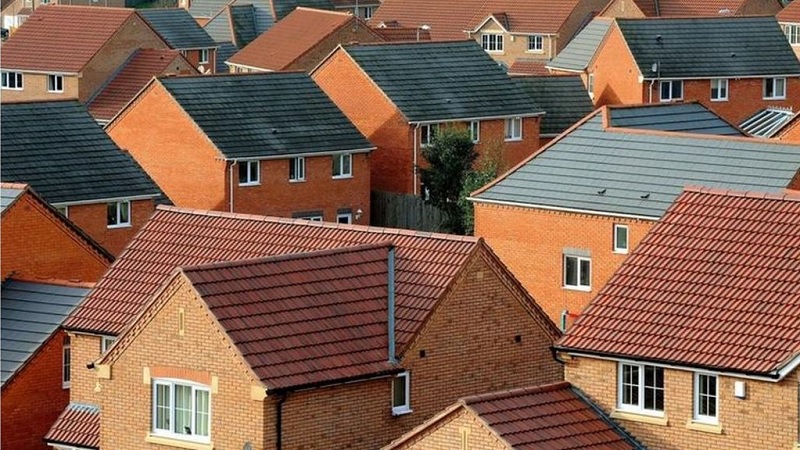
When I rail against the bland sterility of Modern style, Then this is not the antidote I seek ! These cut-and-pasted noddy-boxes miss the measure by a mile, With all the mumbled sorries of the meek. Sure, their bricks are red, their roofs are pitched, their gables high and wide, But why the chimney-pots, for goodness sake ? Windows (though they’re never sashed) may these days keep the warmth inside, But why must all their glazing bars be fake ? All wrapped around such tiny rooms of hollow studs and plasterboard Which any neighbour’s sound can penetrate – And basements don’t exist, nor anywhere luggage can’t be stored, And the ceilings are so low, they suffocate. Of course, compared with houses of the past, they have a lot to offer – Plumbing, carpets, wires and insulation – But still they’re easy prey for ev’ry Brutalist and Bauhaus scoffer, As these clones have spawned across the nation. But worst of all, these mega-builders have the blueprints on their books Of many variations on the theme – And yet, in any field, they seem so terrified to mix the looks Incase there’s fewer profits left to cream. And oversighting councillors, with targets jacked and budgets slashed, Are powerless or spineless to allay. And so this new Jerusalem is jerry-built and pebble-dashed – And yet, still beats a high-rise any day !
Never mind the drama queen Who’s posing by the railing, As camp as a jellybean, Just wibbly-wobbly wailing. Never mind the sky of red Or bay of blue-macabre – Like Jupiter is overhead, As streaky as the harbour. Never mind if we can’t find What makes the screamer crazed – The couple coming up behind Seem perfectly unfazed.
We all of us have sneaked a look Beneath the fly-sheet of a book, And fingered off her jacket, bared her boards – Within, she’s nothing but a prude, Her marbled end-sheets firmly glued, Her bindings taut and frayless in their cords. Her underwear is stiff and plain – Her paper blouse must block the stain Of endless greasy paws and sweaty hordes. But she is flimsy in her gown, It tears and creases, lets her down, As grasping, eager hands make careless wards – The better writ, the more she’s read Until her spine is cracked for dead – So dogs shall ear all good books, save the Lord’s. And worse, the paperbacks ! Those dames Who proudly bare their racy names Across their breasts, like penny-dreadful broads – Yet she too welcomes ev’ry leer, Her first of many lovers here Who gorge all words she joyously affords – Though she’s still crisp and virgin-white, Her pages quite uncut and tight, That readers must tease open with their swords.
Like me cos you like me, Not because they told you what to, Not because they told you not to, Not because you think you’ve got to, Like me just because you do.
Love me shrug me spike me, However much they say you must, Your own desire, I’m sure you’ve sussed, Is all the taste that you can trust – The others haven’t got a clue !
The world is laid before you – There’s plenty who will tell what’s great, And who to love and who to hate, But never can themselves create – But hey, we needn’t mind them.
So snub me if I bore you, Don’t waste your time or waste your thoughts On fluff and fads and p’raps-I-oughts, But seek out diamonds from the quartz, Wherever you may find them.
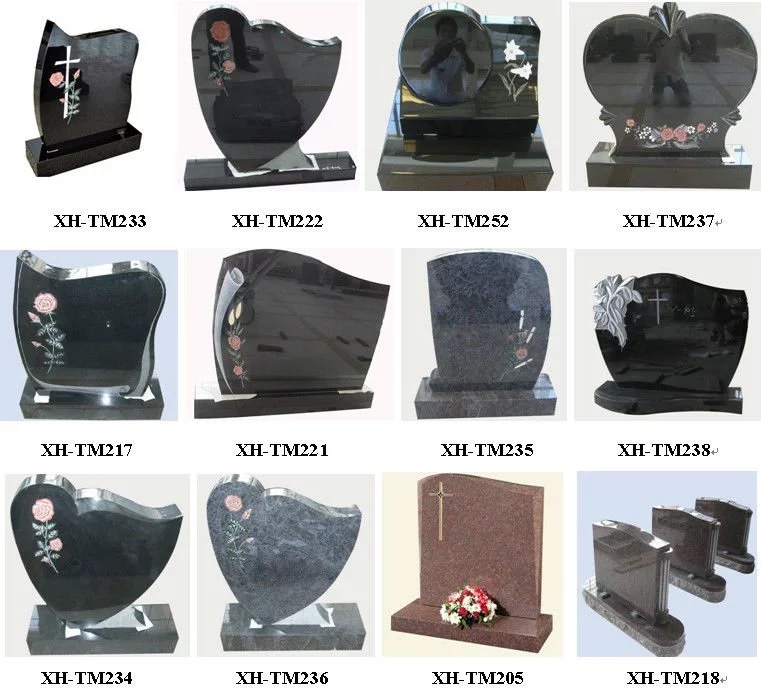
This walk of the cemet’ry was opened just a decade back, With headstones still as sharp as on the day they left the chisel, Looking like they need to soften with a century of drizzle – Alabaster white and granite red and marble black, With hearts, and stars, and open books, and roses marking losses – Many doves and cherubs, fewer angels, hardly any crosses. A dozen diff’rent fonts are used, a hundred quoted lines – And honestly, the sculptor’s task is difficult enough – To craft them sombre, yes, yet touching, dignified, yet full of love. So even here, there’s fashion – we’re so human in our shrines, To leave behind a memory and not forgotten bones. It’s strange to think that this may be a golden age of grieving stones.
Once-a-time, when castles wore a crown of battlements, Their merlons hid the archers in the toothy parapet – And when the peasantry came by to pay their serf-and-chattel-rents, It wasn’t solid walls that awed them, but the holes that made a net. If only they had known how they were more for show and ostentation, Arrow slits too small to use, and windows big and weak – A single siege would give the lie to strength in crenellation But who would dare declare their home as battle-less and meek ? So castle-style continued long past castles were of any use, As if a Henry Tudor were no diff’rent from a Robert Bruce.
To be clear, battlements are very effective when their big enough, but by the time of Bodiam (1385) and Herstmonceux (1441) things were on the slide.







 Rhyming Couplets