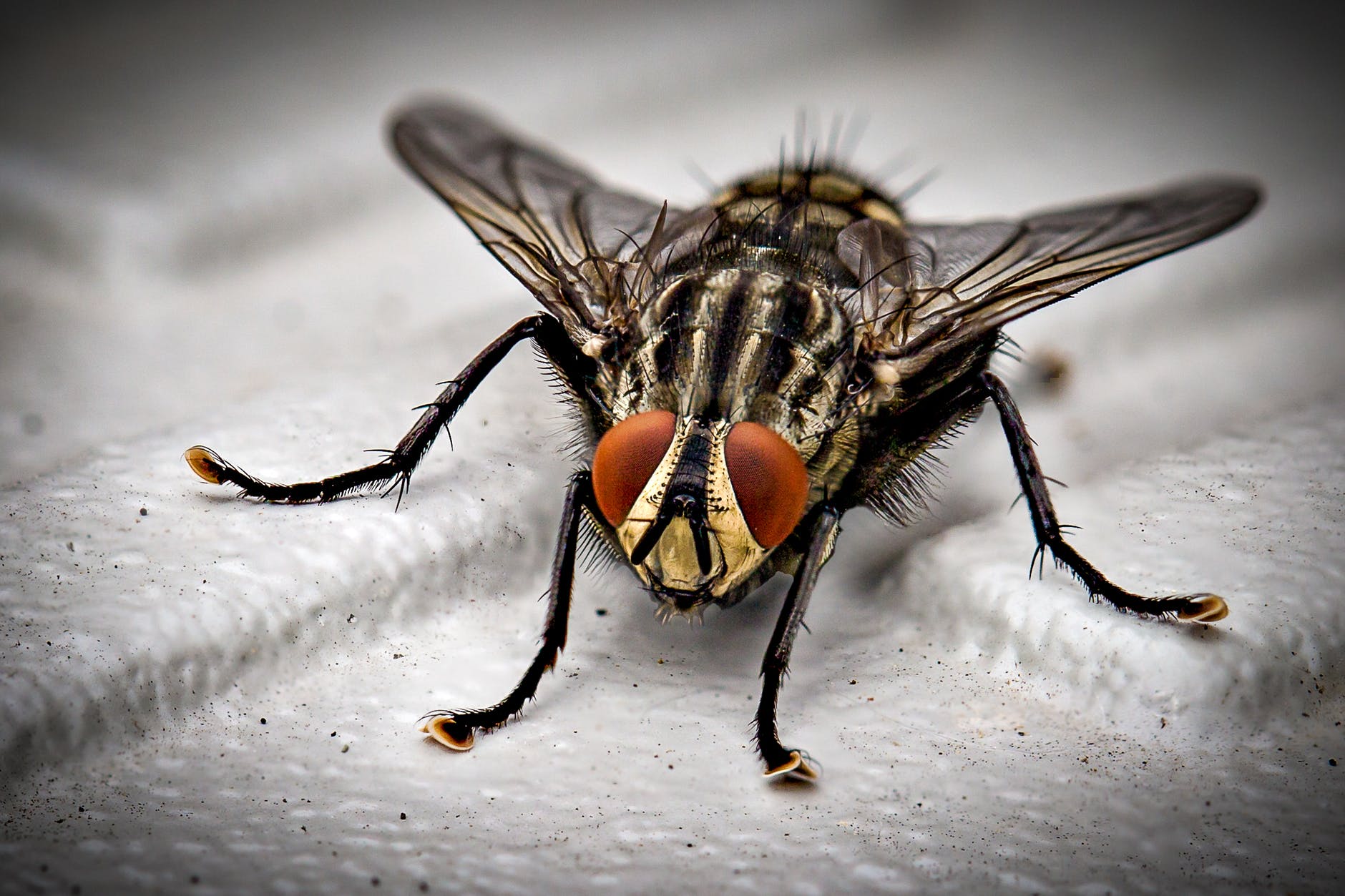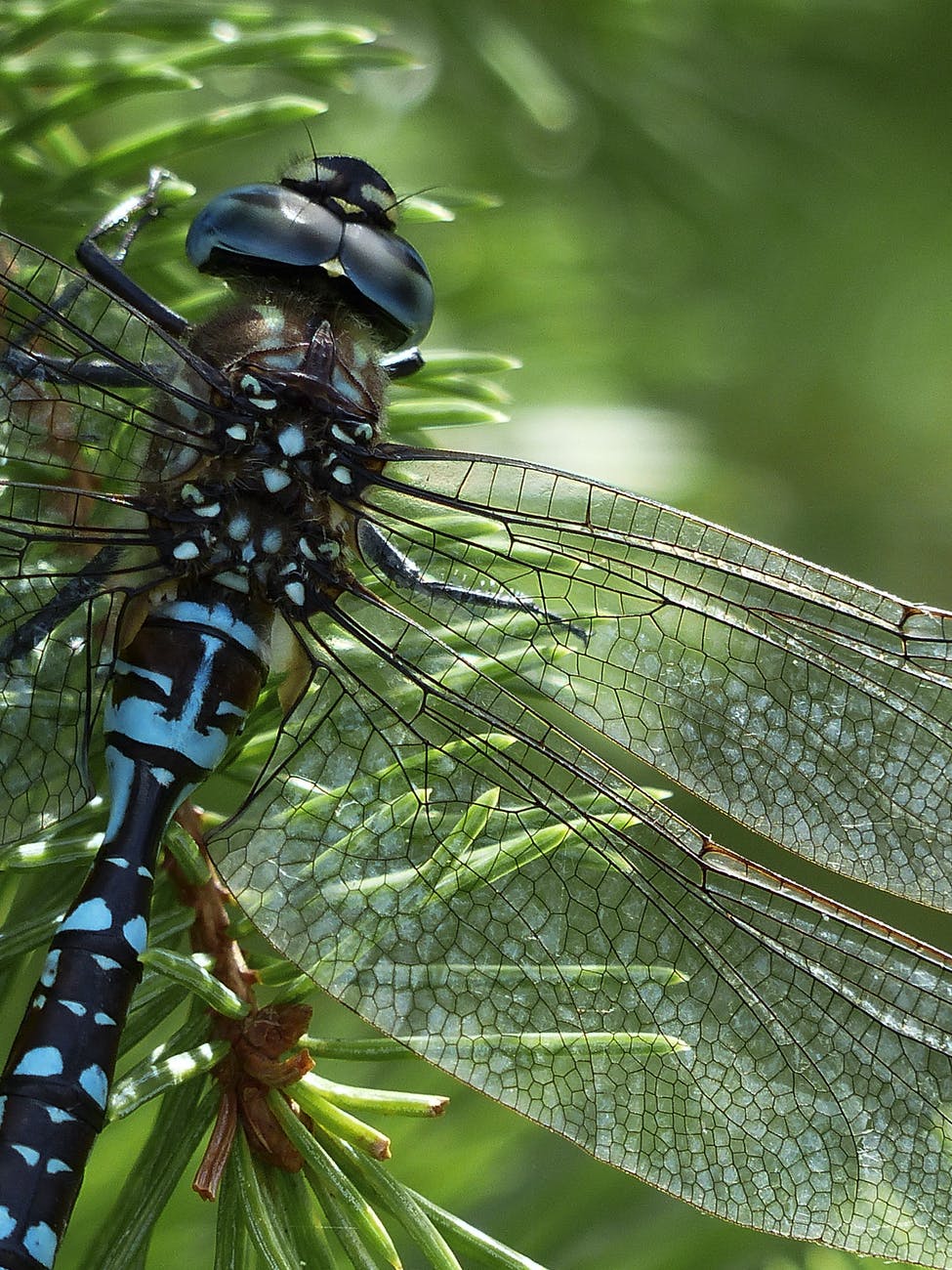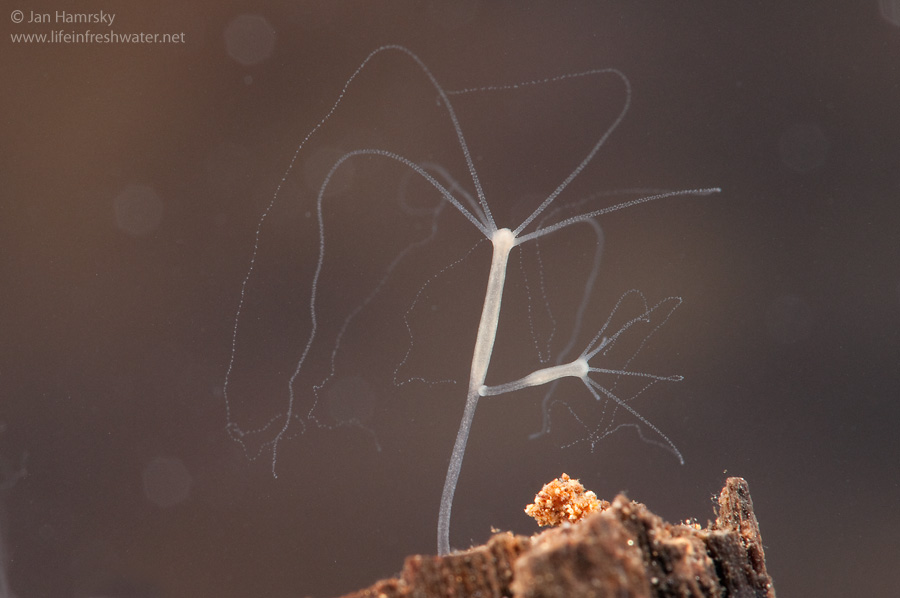
I think it must have been a day When ants were flying In July. A long and hot and wingèd day When ants were flying By and by. And that was when we chanced to meet, With grounded ants about our feet.
Those virgin queens and horny males, On scorching days In late July. The queens fly fast to test the males On scorching days When ants must fly. The lads were swarming when we met – But then, one shot is all they get.
The lucky males take turns to mate With picky queens In late July. Upon the wing, the ants shall mate – As jacks and queens Shall fill the sky. And I met you beneath their flights, With royal weddings in our sights.
The girls bite off their wings to reign As wingless queens In late July These girls will never fly again – But hey, the queens At least don’t die ! And you and I were changing lives, As queens got down to digging hives.
Woodlouse, “from Lankester’s Treatise on Zoology, after Sars”
Isopod Nod
Don’t blame the woodlice, It’s not they who rot our skirting – Better they than flies or mice, Whose numbers double in a twice, Or roaches finding paradise To go about their fruitful flirting.
If woodlice are abound, Then yes, there’s something rotting – But the woodlice are not plotting How to spread the rot around.
So don’t blame the pillbugs It’s not they who spread infection – Better they than fleas or slugs, Whose numbers lurk in cracks and rugs. Or else mosquitos’ biting hugs With who-knows-what in each injection.
If woodlice fill their jaws Then yes, there’s something rotting But the woodlice are just squatting – They’re the symptom, not the cause.
Fine scallops and oysters For townlands and cloisters, And cockles and mussels – alive, sirs, alive ! Come find one and pluck it From out of my bucket – It’s yours for a penny – or fourpence for five.
Fresh from the beaches of fair Dublin Bay, Fresh from the sands where they thrive, oh ! Fresh from the beaches, and fresh ev’ry day – Cockles and mussels alive, alive-oh !
There’s no need to scrimp it With whelk or with limpet – I’ll sell you no snails, sir – I’m clams through and through. Don’t ask me for sprinkles Of peries or winkles – Why settle for one shell, when you can have two !
Fresh from the wash of the fair Irish Sea, Plucked-out as soon they arrive, oh ! Fresh from the sand to the boat to the quay – Cockles and mussels alive, alive-oh !
There’s some who dig beaches For lugworms and leeches, But they make a slimy and wrigglesome catch. And scampi and crab, sir, Will scamper and jab, sir – But mine are like eggs that are waiting to hatch !
Fresh from where seagulls love combing the sand, Fresh from where cormorants dive, oh ! Fresh from Portmarnock and Dollymount Strand – Cockles and mussels alive, alive-oh !
So what do you say, sir, To venus or razor ? Just tease-out my beauties with jack-knife or steam. They may hold a pearl, sir, A feast for your girl, sir, You’ll soon warm her cockles with cockles in cream !
Fresh from the beaches of fair Dublin Bay, Fresh for your ladies and wives, oh ! Fresh-in from Skerries and Claremont and Bray – Cockles and mussels alive, alive-oh !
This isn’t about Molly Malone, but one of her fellow-hawkers. Though I do like to imagine Molly and Leo Bloom passing each other and stopping to share the craic.
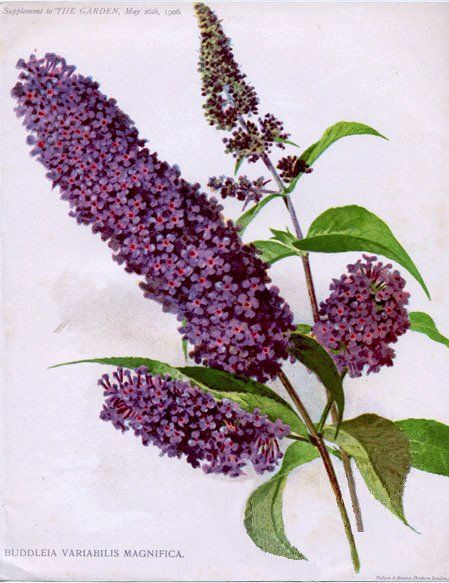
Buddleia ! Buddleia ! Ev’rywhere, buddleia ! Growing in gardens too small to contain it. Growing in wasteland and making it muddier – Railways and quarries won’t even restrain it. And then in July, see it all turn to violet As thousands of flowers bring stamen and style. Soon, we think, soon comes each painted-up pilot To flitter and dazzle and make it worthwhile. But here in the suburbs, with bushes amassing, There’s plenty of purple, but no Blues in sight. Just when did we last see a butterfly passing, Aside from the clothes-moths and odd Cabbage White ? Here in the suburbs, these shrubs ramble well, Yet we won’t see a Camberwell Beauty near Peckham, Nor ravenous inchworms descending to wreck ’em ! So no Painted Lady, no Marbled and Tortoiseshell, Won’t see an Argus, a Skipper or Admiral. Monarchs and Emperors too have set sail, So where the Fritillary ? Wherefore the Swallowtale ? Coppers and Brimstones have melted away, Hairstreaks and Ringlets receded to grey, The Gatekeeper’s keyless, The Speckled Wood’s treeless – A banquet of nectar, yet still not a single gourmet. So where strut the Peacocks we avidly spy ? Comma and Map and Wall, Where do their larvae crawl ? Where do their mothers all gravidly fly ? Small Heath and Meadow Brown, Not to be seen in town – Naught but irruptions of davidii ! And soon it’s September, and blooming is ending, And then they’re just weeds that need far too much tending. Buddleia ! Buddleia ! Ev’rywhere, buddleia ! I tell you, the purple invasion is pending…
This abbey is the work of nuns, Who sing her offices each day Without a tenor in their range, And in-between, they farm her grange – They tend her pens and rabbit runs, They milk her goats and rick her hay, They gather greens and fatten veal, With herbs to spice and herbs to heal.
They fish her trout and brew her ale, They harvest cochineal from scale, And tucked away in back-court sheds Are pigeon-cotes and mushroom beds, Her mulb’ry trees, that once were tried, Still bloom – though all the silkworms died. The snailery’s a better omen, Raising broods of Brown and Roman.
They see her fields are sown and scythed, Her sheep are shorn, her orchards plucked, They see her queens are safely hived, Her cocks are henned and drakes are ducked. They churn her cheese and bake her buns Until their tender hands grow blisters – What this abbey lacks in sons, She made up for in sisters.
Welcome, brother, to my shed – Brewing up the liquid words for countless books and scrolls, Here is where we make the very thing that feeds our souls
First, we need the oak trees – The abbey’s woods are growing us a thousand-fold or greater – Pollarding is fine, and they can serve for timber later.
Next we need the gall wasps – They lay their eggs within the buds, or else beneath the leaves – Diff’rent wasps lay diff’rent eggs, but each invades and reaves.
Wait – but not too long – The oak responds by swelling apples where the larvae hide – The better galls are small and dark, with maggots still inside.
But leave the largest one-in-ten – We need those wasps to hatch, and grow, and drill, and crawl away – And only then, they’re homes are gathered, when they’re lighter grey.
Next there comes the vitriol – Seeping out of iron mines, collected and evaporated, Iron scraps are added-in until its sharp is sated.
Then there comes gum arabic – The bled-out gold acacia-sap is dried, and sold for quite a cost – The abbey cannot grow them, though – they do not like our frost.
Pestle each ingredient – Steep the galls in brandywine until it’s brown and dark, Then slowly stir in vitriol to blacken-up the bark.
Now our secret: powdered eggshell ! This is what the other monks of other abbeys never gauge, And this is why their manuscripts have eaten through the page –
Filter out the sediment – First with cheesecloth, then with sponge – and drain into a drum, Then add a little charcoal dust, and thicken with the gum.
Pour to airtight bottles – And there you have it: ink aplenty, flowing over vellum – Anything they need to know, our ink can surely tell ’em !
This should last the year, As the inkwells drain so slowly, dip-by-dip, in tiny rills – But even this will only feed so many thirsty quills.
The blood of our society – With which our brothers circulate the words from eye-to-eye, And we must keep their ink-horns full, or else the words will dry.
“Mayflies are unique among insects in having a penultimate ‘subimago’ stage which like the adult has wings and can fly, but unlike the adult it has incomplete genitals.”
– Arthropod Quarterly Digest
All throughout each teenage year, I spend my evenings by the brook – In Spring I love to dawdle here To watch the ducks or read a book. I sometimes bring some fishing gear, Though rarely bother with a hook. My friends pair-off in woods or laybys, I, though, spend my time with mayflies.
We are a lot alike, Ephemeroptera. We spent our childhoods trapped within backwater gloom, Just waiting for that feeling that it’s time to bloom – But when we shed our skins and gain our wings, What did we find, Ephemeroptera ? Our flight is drunken and unsteady, Bodies new are strange and heady, Maybe we are not so ready yet, To put away our childhood things. But on it comes: from nymph to fly – To moult, to mate, to lay our eggs, and die.
We’re subimago adolescents, Buzzing with a shared frustration, Trapped within the boring present Waiting for our next gestation – Damn, the urge is so incessant, Yet we cannot reach elation ! Metamorphosis, you cheat, We’re naiads still and incomplete !
I know a lot about Ephemeroptera, These One-Day Wings that flit and dart about the creek. I spend my teenage evenings watching, week by week, While all the while, my classmates grow up too. I ought to leave, Ephemeroptera, I ought to leave, but I’m afraid – I still do not feel fully made. And so I watch you rise and fade, And wonder when my final moult is due. Will I change soon, oh Flies of May ?, To start the years that form my final day.
To expand on the quotation in the epigraph, mayflies are primitive insects that have changed far less than those restless ants and beetles. They show little difference between nymph and adult (well, except that the former lives in water and has no wings), and most bizarrely they have two consecutive flying stages. If you see any other insect with wings, then it is an adult and will never shed its exoskeleton or pupate again. Perhaps those giant early griffinflies of the Permian also had two (or more) instars on the wing – they were after all contemporaries of the first mayflies. Or perhaps it’s a later mutation that avoids having to build both wings and genitls in one hit without the benefit of a lengthy pupation. But given that many species have a subimago stage that lasts a matter of minutes, then clearly the adult cuticle must develop at the same time as the teenage one, so perhaps this explanation is unlikely.
Anyway, when it is time, the nymph pulls itself out of the water either onto the water tension of the surface, or up some vegetation stalks. There it rests, moults, and dries its cloudy new wings – these already contain the adult wings within them which are revealed when that cloudy outer-covering is shed. In a few species, the females stop here and never make the final moult, while in others the females can survive for a couple of weeks – long enough for their already-gestated eggs to hatch the moment she lays them on the water surface. So in terms of the poem, calling them ‘one-day wings’ might be a little disingenuous – but hell, it’s too good a line to drop ! And although I used to get irked when people spoke about mayflies living such short lives (when some species can be underwater for two or three years before emerging), if we consider a ‘mayfly’ to simply be the adult stage, then it’s definitely true for most of them.
A friend, though, did suggested that I had my metaphor the wrong way about – teenagers aren’t subimagos because they do have the hormones, they just don’t have the transport.