The countryside is sometimes all a chorus of its own, With the songbird sky-sopranos saying grace – And the yapping dogs’ falsetto, and the tomcats’ mezzo tone, And the hens and pigeons make an alto brace. The sheep are then the tenor, the pigs are baritone, While the cows are mooing low down in the bass, And underlying ev’rything, the bees provide the drone, While the clip-clop hooves of horses beat the pace. And finally, the donkey starts, a soloist alone – She’s the braying primadonna of the place !
Country folk are godly folk, They sing to holy Jesus, Sing how he’s the one they set their heart upon. Yet over Nashville way, no joke, They worship olive trees, yes, Sing to Grecians in their mighty Parthenon. They built a statue of Athena Dressed in gold and ivory, With ancient eyes of blue that never blink. They built a temple to the Virgin, Yet in rivalry – Cos she ain’t the usual Virgin that they think –
Hallelujah, hail Athena ! Sing it loud and sing it free ! You beat Poseidon with his trident, And now Jesus with his trinity. We need a goddess, not a patriarch To stir these sisters free – In the Athens of the South, your spark Lights up your mystery.
Country folk are gawdy folk, They love their rhinestone rings – Yet their churches are just warehouses of prayers. Is Jesus stoney broke That he can’t afford some decent bling In which his shouty preachers flog his wares ? But over at Athena’s place, There’s statues in the pediments Of epic battles fought in ancient times – She may be stoic in her face, But not so harsh and regiment To frown upon our splashing-out the dimes.
Hallelujah, hail Athena ! Sing it free and sing it loud ! Lady Wisdom, Lady with the Owl, Intelligent and proud – We need a goddess to the arts For fans to worship when we hum – A diva moving-up the charts, Who’s number one till kingdom come.
The original statue was sculpted by Phedias in 9563HE. This replica was designed by Alan LeQuire in 11990, using gypsum cement, fibreglass-infused plaster, and gold leaf (not ivory, like the original, but close enough – and surely Phedias would have loved to have access to these…) It is, I believe, based on ancient descriptions and other statues, but I’m sure some original interpretation has been included, and quite right too !
Beavers are thievers, By stealing the gravity Out of the water – Such utter depravity ! Beavers are stemming our streams With their half-inched beams, And leaving them pooling around. And now I hear beavers Are back in this manor, Those peevers and planners Are channelling London Town. I see their toothmarks Graffiti the tree barks Up to their old larks, Of gumming the plumbing – Their home is a slum Full of mildew and scum, And whenever they come They leave the bath running.
Beavers are weavers, When heaving their timbers, When lugging their tinder for cleaving together. You just won’t believe All the leaves they retrieve For their bodge for a lodge And their damnable dam. These immigrant skeevers Are tree-rustling reavers – Who knocked-up a hodgepodge Wherever they swam. We end up with either The swamp in a fever, Or banks in a stodge And the brook in a jam. But now that they’re Cockneys, And vegan beefeaters – These beavers won’t shock me a smidge. So change-up the meter, and take to the bridge –
They’re teeming in the borough, good and thorough, Down the Central Line, Grinning with their teeth on Hampstead Heath, And in the Serpentine. It won’t be very long And they’ll be seven thousand strong, With their ev’ry one a carrier Of oak and London plain. They’ll get their sapling shredding done From Wapping up to Teddington, By blocking Woolwich Barrier And flooding Pudding Lane.
Beavers are thievers, And duckers and divers, And cunning deceivers, And wetback survivors – They’re just like the rest of us, London domesticus, Hard-working strivers, And over-achievers. And soon they’ll fit right in, I’m sure, In the melting pot of the pond next door.
The real question, of course, is how do beavers colonise new rivers well away from the old ones? Some say they can travel over land for many miles, but we all know the truth – they’re carried there by red kites !
English counties show a frozen glimpse Of population, Of where we lived, a long time since, At the dawn of our English nation. Cathedrals too, and the larger abbeys, Hint at a bustling past – Wells and Ripon weren’t so drab, But boom-times couldn’t last.
Huntingdon, you once were free, With Somerton and Appleby – But people change, and trade moves on, To Milton Keynes or Basildon.
Political constituencies Can’t stand still too long, Without some boarder-fluencies To keep their numbers strong. Postcode districts are a modern score To count the blur – If they survive a thousand more, They’ll show where once we were.
Stevenage, you’re earned your key, With Swindon and Southend-on-Sea. But people change, and drift away To who-knows-where and come-what-may.
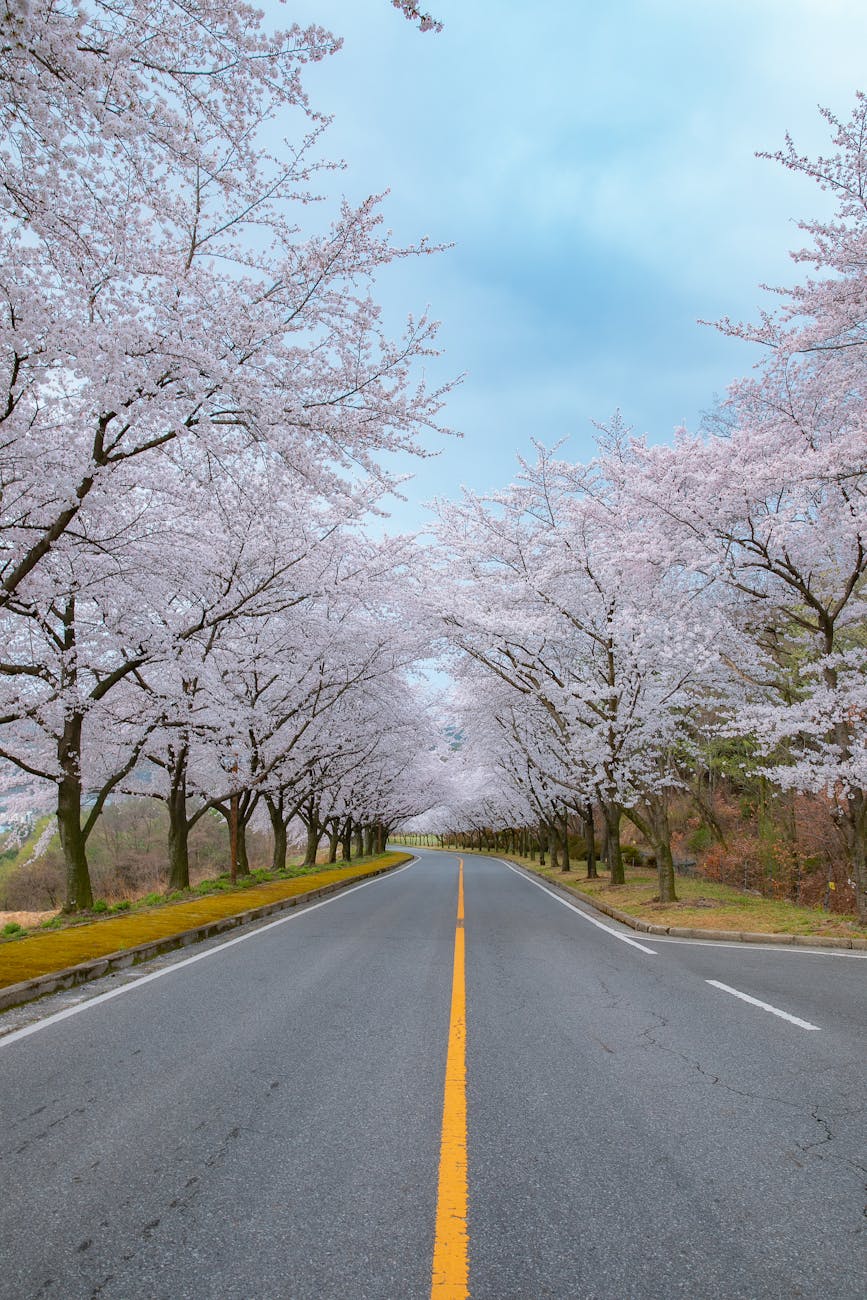
Sweet cherry, bird cherry, British since the glacier – White of flower, red of berry, Showing Spring is on the merry With their blossoms looking very Much the lacier.
And yet our folklore shrugs and mocks Our modern-day delight. Did Stonehenge mark the equinox As cherry petals blew in flocks ? Did Boudicca manoeuvre and out-fox From woods of white ?
Did Patrick banish Irish snakes From out of trees so halcyon ? Did Alfred burn the cherry cakes, Or Chaucer tell of ruddy aches, As Easter breezes stir the flakes Throughout old Albion ?
The Japanese have celebrated long The bloom before the leaf, But Europe only saw a throng Of messy trees not worth a song. Were rebirth metaphors too strong, Or blossoming too brief ?
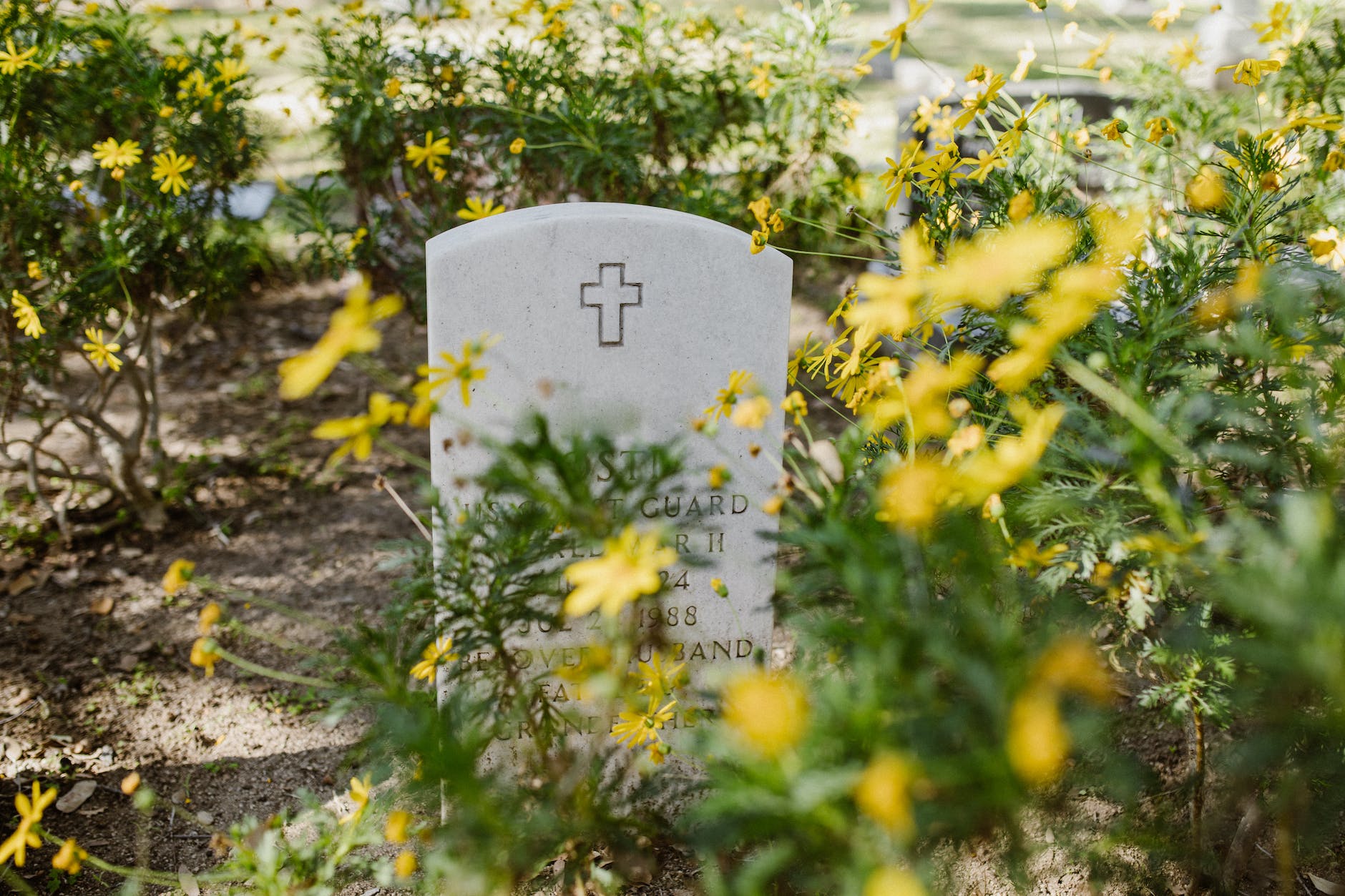
Besides from the bunches laid with care, There’s plenty of blooms around – Peacefully scenting reverent air And rising out of the ground. And looking as though they have always grown there, Spreading from grave to grave, unbound.
Lilies creep around the edges, Speedwell bids the souls farewell, And lichen colours urns and ledges, Where the lady’s bedstraws dwell Wrought-iron railings form the hedges, Butterflies enchant their spell.
Yews, of course, have long been prized, With folklore running deep, And cypresses are well-advised For the greenery they keep, And Trees of Heaven, naturalised, Like some who lie asleep.
Wych-hazel makes herself at home, But cherries are out of place – Confetti is such a frivolous foam That doesn’t leave a trace. Forget-me-nots, meantime, will roam, Wherever they find a space.
The dead, of course, don’t care what’s living up there, They’ve other concerns, But graveyards are gardens we all must share, Be we friends or weeds or worms. And ev’ry flower we all can spare Will help us to come to terms.
I deliberately tried to shake up the rhythm a bit between verses, to see if it could still flow. As for the location, I have visited before here and here (and, more pertinent to the season at hand, over here).
When does a walk become a hike ? When does a saunter start to stride ? Upon how many trails must I strike Before I get to the other side ? When does a trek become a wander ? When does a road not lead to Rome ? Upon how many paths must I ponder Before I get to go back home ?
Nothing excites like a fragment of coastline, A ribbon of mountains, an island arc, A river’s meander, an outpost upon it, A highway to cross it, and leave its mark.
Fantasy maps have gotten much better these days, With histories drawn in tectonics – With rain-shadowed deserts and cyclonic trade-winds, And conlangic place-names correct in their phonics.
Readers demand that their continents drift, On a globe that is spinning through space – Our increase in knowledge has moved-on our world, And our make-believe realms must keep pace.
Adventurers trek across accurate kingdoms, The blanks are uncovered, the borders expand, And fossils are dug-up of earlier monsters – The dragons evolve now, and so does the land.
Is it just my ears, Or are all these Slavic women baritones ? Does the need to wrap their tongues Round angular Cyrillics Thus somehow feed into their very bones ? Is it from the years Of calling for Ivanovic, not Jones, That ups capacity in lungs Into those sexy and idyllic moans They use to answer telephones ? They always speak their English with a purr, In a lower register.
Perhaps it’s their careers As nurses or baristas, or tennis pros, Or spies in paperbacks, That slows their speech and drops it down a semitone or two ? Or maybe it’s my ears, And not some deep and cunning pose To sigh like honeytraps ? Of course, it’s just my vodka fantasy, And even if it’s true – The way they talk, their chosen key, Is not in any way for me – But nonetheless, I love the way they sound the way they do.
I have always thought that printed Cyrillic looks like it is written in all-caps even when lower case letters are used – perhaps it is the reduced use of risers and descenders, giving them less-indented coastlines.
I had originally called this poem as Deep Throat. It almost worked, but ultimately the leaker in All The President’s Men was very male and very American.
What do you mean, there’s another film which uses that title…
Musical AI version generated by Suno.com – find more of them over here.
From Derek Niven’s Hollywood 11, To New York ghetto parks, Or taking over baseball diamonds For some old-school larks – Cricket can be found under the covers, Hanging out in nets, With scuffed-up balls and tied-up bats Amid ex-pats and vets. And even hosting amateur T20s, Though you’d barely know – The sixes fly into a void, The runs clock up so slow. As Argentina take on Norway By the overpass, With both teams full of Singhs and Khans Upon synthetic grass.