
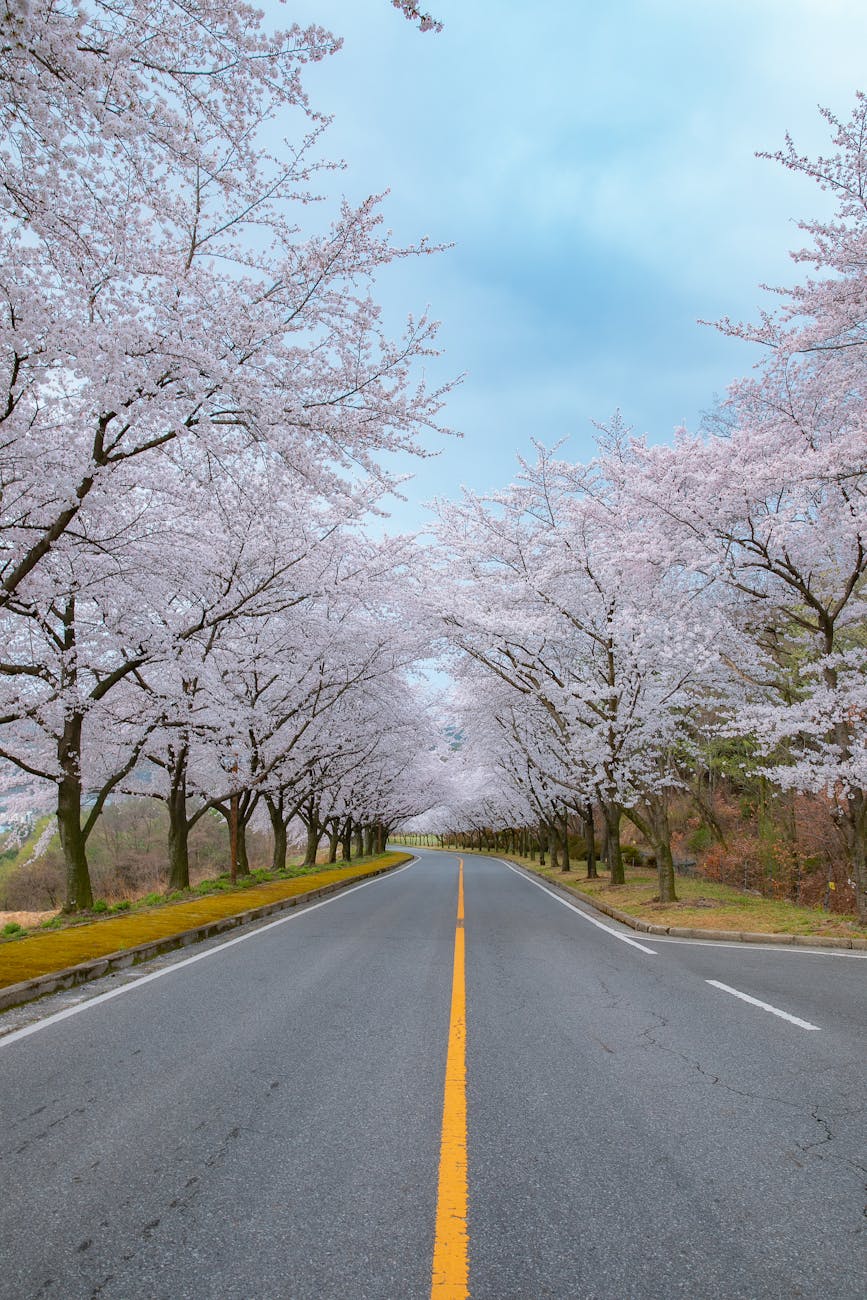
The Cherry, Then
Sweet cherry, bird cherry,
British since the glacier –
White of flower, red of berry,
Showing Spring is on the merry
With their blossoms looking very
Much the lacier.
And yet our folklore shrugs and mocks
Our modern-day delight.
Did Stonehenge mark the equinox
As cherry petals blew in flocks ?
Did Boudicca manoeuvre and out-fox
From woods of white ?
Did Patrick banish Irish snakes
From out of trees so halcyon ?
Did Alfred burn the cherry cakes,
Or Sherwood sport such dancing flakes,
Or Shakespeare pine on ruddy aches,
Throughout old Albion ?
The Japanese have celebrated long
The bloom before the leaf,
But Europe only saw a throng
Of messy trees not worth a song.
Was Easter’s shadow just too strong,
Or blossoming too brief ?
There is some talk of a local tradition in the Chilterns of using cherry blossom braches to decorate churches at Easter, though I can’t find any Pre-Victorian sources to indicate how old this is.
So the only legitimate references I can find to cherry blossom (as opposed to the fruit) in British culture is in Geoffrey Chaucer’s The Miller’s Tale: “As whit as is the blosme vpon the rys.” ‘Rys’ is a Middle-English word for ‘branch’, so no individual tree is specified – and neither is a particular season in the Tale, not that it would really matter for the metaphor anyway. But the very first line of the General Prologue mentions April, so the Miller and his audience would have been on their pilgrimage at the perfect time to appreciate any roadside displays. And what other native British tree has flowers worth a poet’s attention beside the cherry and it’s close relatives like blackthorn or apple ?


