See all of your princes who grasp at our lives With their handshakes and greased palms and fists wrapped in cotton – They claw for a kingdom where sleight-of-hand thrives, But their fingers are crossed and their nails are all rotten. You keep all your holdings tight under your thumb As your signet-wrapped digits are stroking your beard – But grips can be prised as the years render numb, And the light-fingered upstarts are squeezing you plum, And there’s no-one to catch you when ’last you succumb – Your talons are chipped and too weak, in the end, to be feared.
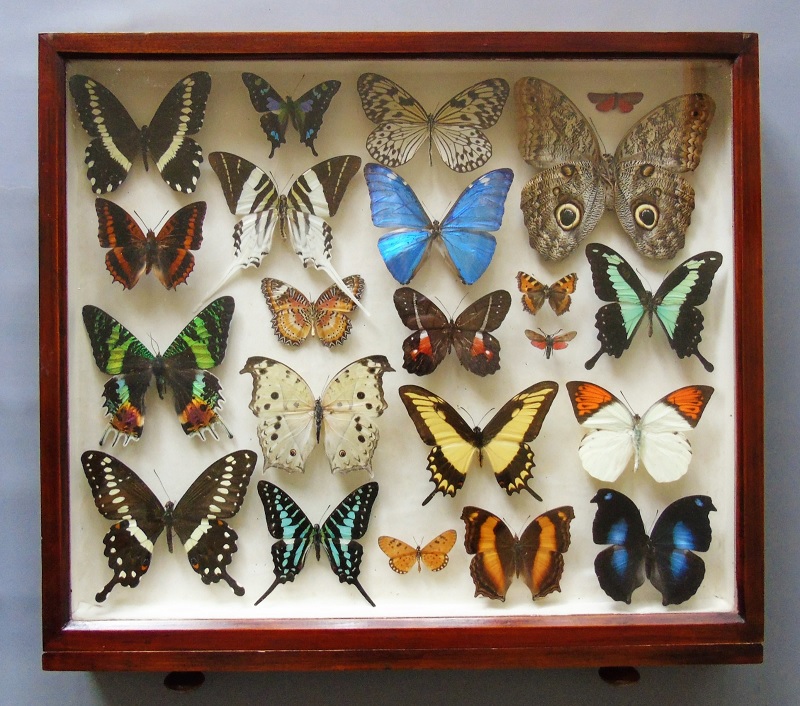
I saw a lepidopter’s case, A peon to the butterfly. With filigree of carapace From abdomen to compound eye. The duffer who possessed these critters Spoke at loving length of flitters.
I wondered how this gent possessed Their tiny feet and stain-glass wings, For clearly one who so obsessed Could never harm so precious things – Therefore, it must surely follow, Ev’ry bodyshell was hollow.
These weren’t spent, discarded parts – For butterflies can never shed – They never get a dozen starts, And only gain their wings to spread Upon their change to adulthood – They change for once and change for good.
Maybe then they’re not rejected, Rather they are shiny new – Here displayed to be selected By the crawling grubs who queue – So they choose their new quintessence As they quit their adolescence.
Some are brighter, some are duller, Some are nippy, some enlarged – Pick a model, pick a colour, Carbon-framed and sugar-charged. Are you a grounded caterpillar ? You should check these stats – they’re killer !
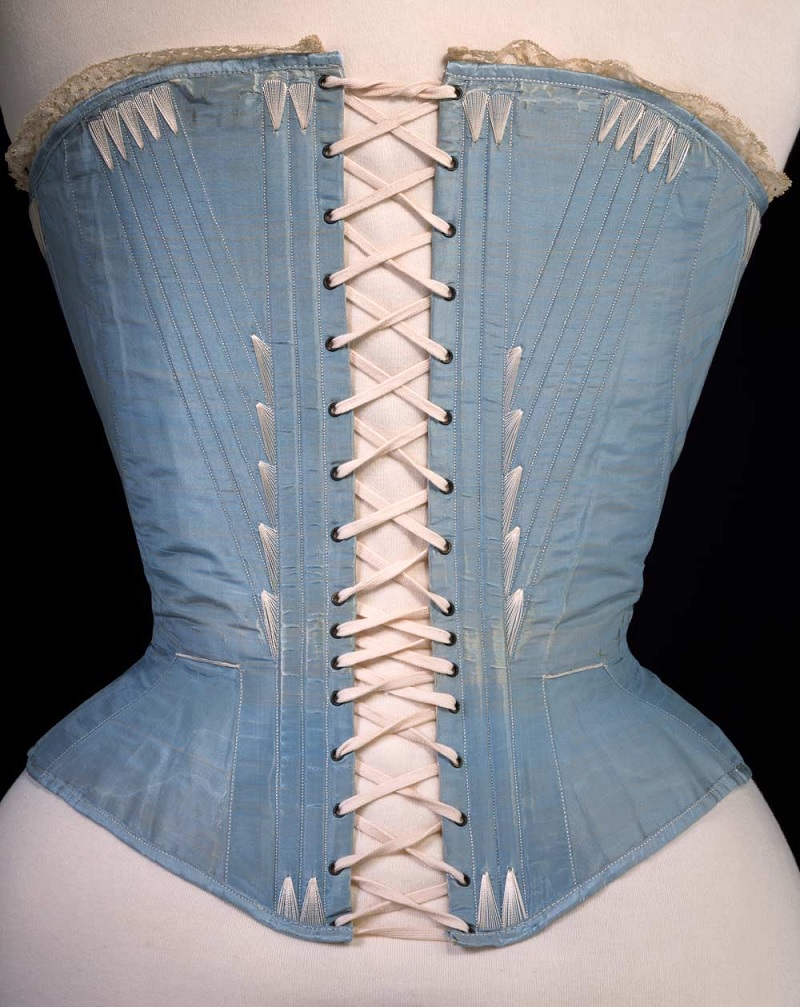
We rack them out between bridges and nuts, And crank till they must reply. And those low, low throbs that we feel in our guts – Well, the sheep feel them too, by-and-by. But it’s never their bleats or their baas that are scored, It’s never their voices that sing from each chord, And it’s never their own requiem we applaud. In life and in death, so their tension will always be high.
How many hundreds of thousands of sheep Have our symphonies dispatched ? Every cello has reason to weep, And scream as its sinews are scratched. How many flocks must we cull to the muse ? How many sacrificed lambkins and ewes ? On the altar of Bach shall their entrails ooze. They live for this music, but always do strings come attached.
When your nights are all too dark, And your dawns are all too bright, And your days are all too stark, And your thoughts have lost their fight – When there’s nothing’s worth the heft, When there’s less-than-little left That still wants to sparkle in the rust, And you’re turning-up, but only just –
I find I don’t know what to tell you now That isn’t patronising – Urging you to cheer-up, somehow, This is just a brief downsizing. But when your nights are all too long, And when your days don’t feel too strong, I guess I can’t pretend to know, Except – I’d hate to see you go.
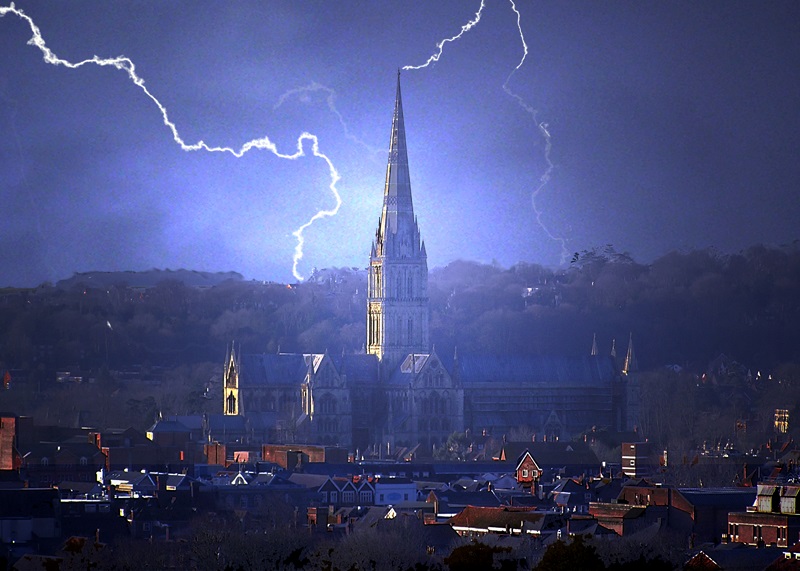
Just as a church is crowned by a spire, And just as a spire is crowned by a cross, So a cross is crowned by a stiffened wire That points heavenwards and reaches higher, Showing God that science is boss. From king to serf to country squire, Nobody’s prayers and nobody’s choir, To God or Thor or Helios, Can stop the bolt of electric fire – Not any pope or priest or friar Can tame the spark and spare the loss Like copper can. And that is why There’s a spike that jabs the eye of the sky, With a finger raised to the holy man on high.
Pick a team, son, Any team you like, But choose them well – They’re yours now, tyke, Your burden, your dream, Through joy and hell, Through triumph and strife – For you must support your team For the rest of your life.
Don’t ever think That you can change, Don’t show disloyalty. Their ways are strange, But do not blink – You must persist, To treat your lads like royalty. And even though They barely know you exist, You still must follow them Through goalless draws and penalties missed – Taste the myths and swallow them.
For they are your brand now, Your Lord, your quest, So bare their sponsor On your chest. And swear a vow to never don The colours of a rival squad, Don’t play away to Babylon, But trust in the blessed boots of your God. And don’t be lured to other cults, By better results or midfield flare – Do not betray, come Saturday, For thirty pieces of silverware.
Sing in the stands, you never know, You just might spur them on, Or yell at the screen from your sofa, Till all the communion pies have gone. Send your hopes and glory beaming Over the ether, Praying for goals, Trust in a messianic coach to pull the levers, switch the roles. Never stop dreaming, be a believer, And wish upon a nimble weaver, A star right-back, a sainted attack, A keeper who saves our souls.
Pick a team, son, Any team you like – But just the one. For now you’re theirs, And all your cares, Your misery and fun Are bound up in their fortunes, Highs and lows, As the seasons run, From half-time mid-life woes, Until the final whistle blows And your game is done.
I love the way you speak, I’d never seek to mock its cocky tone. Your fully-glottled cant Ain’t mine to grant, it’s yours and all your own. Ignore the RP snob Who wants to rob your patois of its melody, And claim it’s just the vogue, Your burnished brogue, and not your self-identity. So know that I in no-way disrespect Your tongue as somehow incorrect When I request that you select Your speech with special care. It’s not your vowels, for they’re your glory, Nor your consonants abhor me – Yet the needs of oratory Cause us to beware. There is, I say, a world apart Between the rhythms we employ In casual chat and speaking smart, And knowing when the wrong will cloy. And when it comes to rhetoric, There comes a need for clarity – Don’t change you accent, let it stick, Just punch-in those plosives, and ring-out that final G.
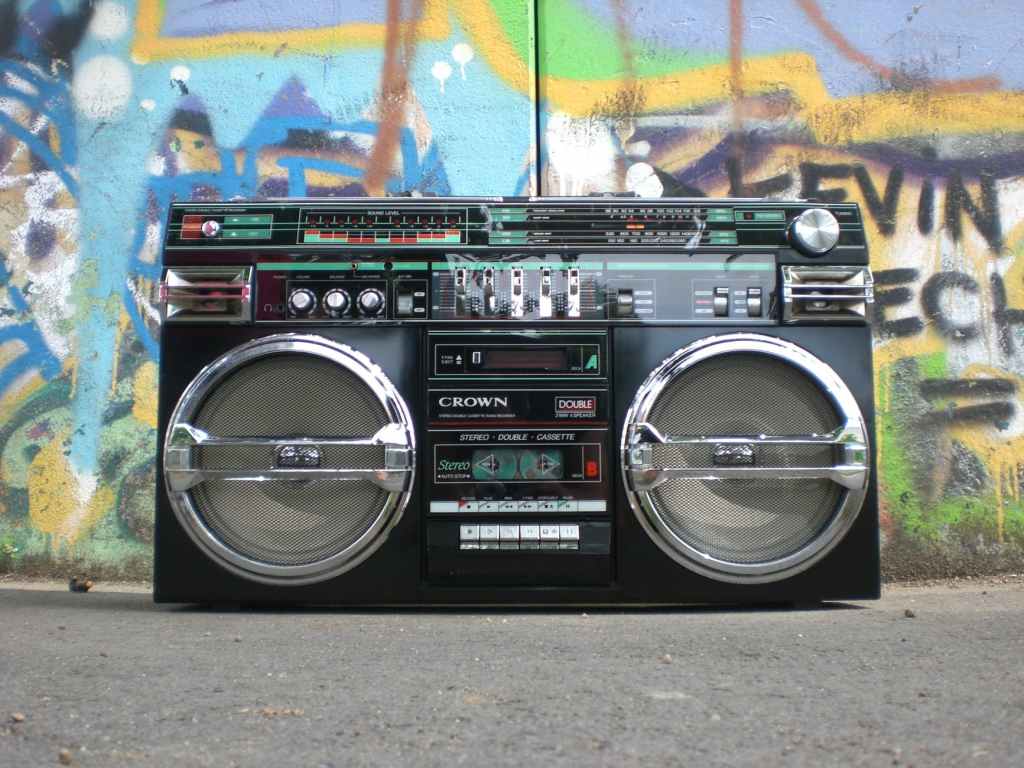
“Turn it down, for Christ’s sake !” The anthem to my teenage years – “Is something faulty with your ears ? Just how much of this racket must we take ? How can you even call that noise a tune ? And maybe you should see the doc, Because the way you play that rock, You must be either halfway deaf, or will be soon !” But now it’s me who’s one of the squares, For now it’s me the parent – And I have to grin and bear it As a blast of not-like-the-old-days comes rolling down the stairs. Yet one of mine is a gentle pup Who keeps his modern trash down low – I sometimes want to yell, you know, “For Christ’s sake, turn it up !”
It always has to be that way, because it’s always been that way – And if there were another way, already it would be that way. You really think you can disclaim a thousand years of just-the-same ? The lesson you will learn at last: your future lies all in the past.