Evolution Chant

march of progress
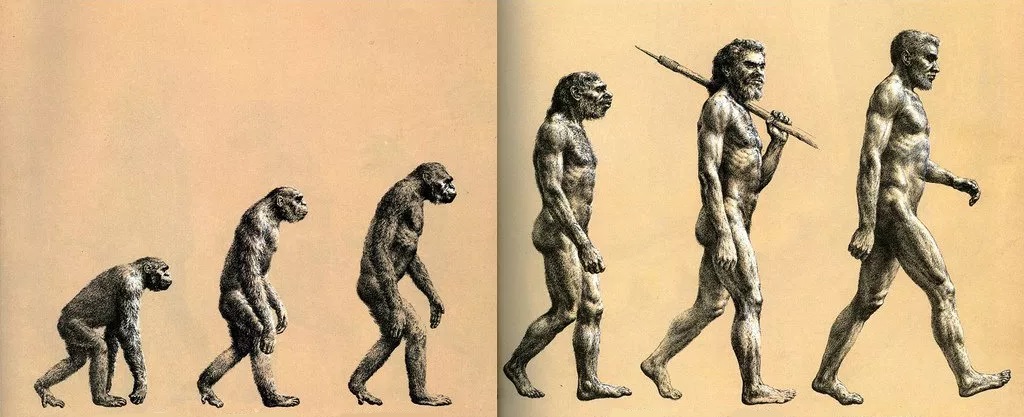
The Road to Homo Sapiens, better known as The March of Progress by Rudolph Zallinger (here shown in its folded form which only includes six of the fifteen-strong sequence).

Evolution Chant

I am an ape-man,
You are an ape-man,
Just like my great-great-granddaddy ape-man.

I am a monkey,
You are a monkey,
And so is the queen, her ministers and flunkies.

We lost our tails, we lost our fur,
We grew up bigger than we were,
We kept our hands and eyes and hips,
So we’re still monkeys to our pips.

One mill’yon, two mill’yon, three mill’yon, four –
Back in time, back in time, back to before.

I am a mammal,
You are a mammal,
We’re just like my great-great-grand-uncle Samuel.

I’m a reptilian,
You’re a reptilian,
Just like my great-great-third-cousin William.

We lost our scales, we lost our eggs,
We grew up with less-bandy legs,
We warmed our blood and changed our ears,
But we’re still reptiles to our gears.

One era, two eras, three ears, four –
Mill’yons and mill’yons of years by the score.

I’m an amphibian,
You’re an amphibian,
Just like a German, a Chinese, or a Libyan.

I am a swim-fish,
You are a swim-fish,
Just like our sisters, the curvy and the slim-ish.

We lost our gills, we lost our fins,
We grew up with our necks and chins,
We gained our lungs and lost some cones,
But we’re still fishes to our bones.

One hundred, two hundred, three hundred, four –
Hundreds of mill’yons of years to explore.

I am a wiggle-worm,
You are a wiggle-worm,
Just like our brothers, who squiggle when they squirm.

I am a wet-sponge,
You are a wet-sponge,
Just like our neighbours, the blond and brunette ones.

We lost our universal cells,
We grew up bony, without shells,
We gained our teeth and gained our butts,
But we’re still sponges to our guts.

One eon, two eons, three eons, four –
Ages and cycles and epochs galore.

I am a germ bug,
You are a germ bug,
Just like the scorpion, the skylark and sea-slug.

I am a virus,
You are a virus,
Far enough back, and ev’rything’s a virus.

We lost our tiny little size,
We grew up big and strong and wise,
We may not think so anymore,
But we’re still microbes to our core.

One bill’yon, two bill’yon, three bill’yon, four –
Back in the days of the yoriest yore.

Feel free to change the opening lines to ‘ape-girl’ if you wish.
A Little Lady of Letters

Photo by Suzy Hazelwood on Pexels.com

A Little Lady of Letters

Milly Miller’s Mother
Asked her darling daughter dear
Not to speak such sing-song sentences
That echo ev’ry ear.
“With constant core concordance
And repeated repartee,
You really risk resentment,
Missy Miller Mystery.

Please, my pretty precious,
You must vary vocal voice –
Not focusing for phonics
So to chime your chosen choice.
Then lesser-learnèd listeners
Can make-out more you meant –
A little less allit’rative,
My mystic Millicent.”

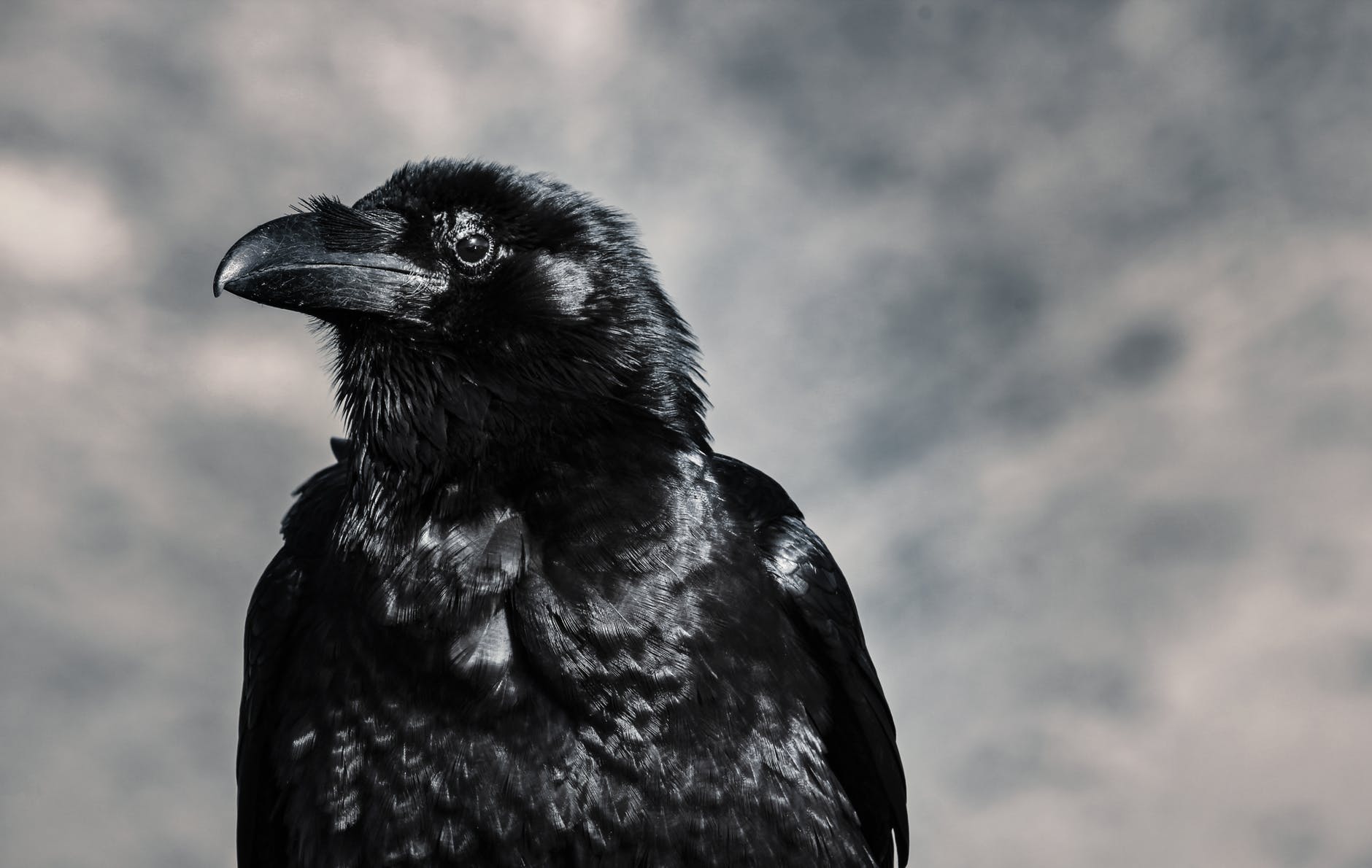
Corvus niger

selective focus photograph of black crow
Photo by Tom Swinnen on Pexels.com

Corvus niger

Why do ravens always wear black ?
Do they want to blend in with the pack ?
Are they just too shy to be pizzazz ?
Are they just too moody, cool and jazz ?
Why are they dressed in Sunday Best, not tweeds ?
Are they decked in mourning, veiled in widow’s weeds ?
Or are they maybe prison warders ?
Are they priests in holy orders ?
Are they fed’ral agents on the wing ?
Or do they merely want to go with ev’rything ?
Are they goths and metalheads – or maybe simply posh ?
Or are their other feathers in the wash ?
So why is it ravens always wear the black ?
(But if they dressed in mufty, I guess they’d get the sack.)

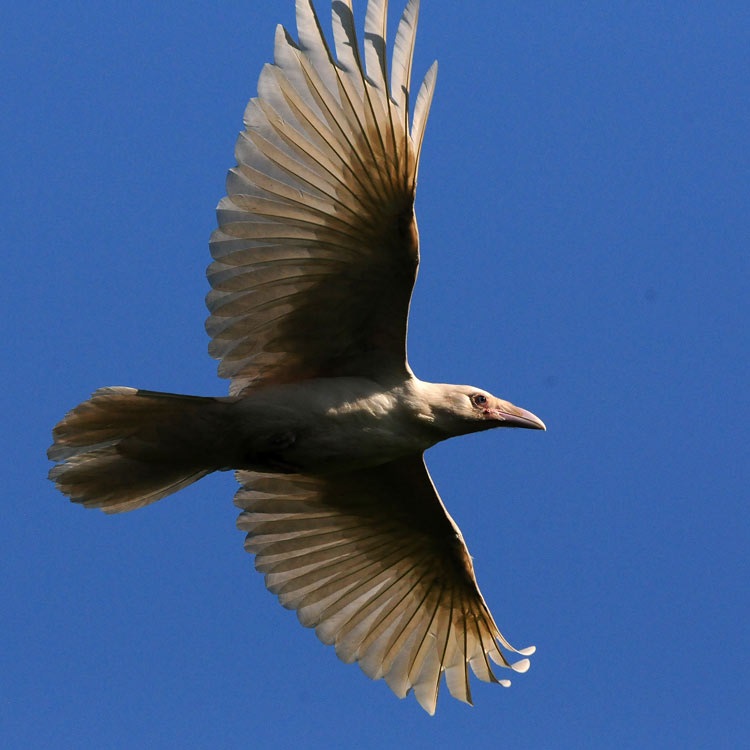
As a matter of fact, albino ravens do occassionally turn up, especially around Vancouver Island, as these gorgeous photos by Mike Yip show:

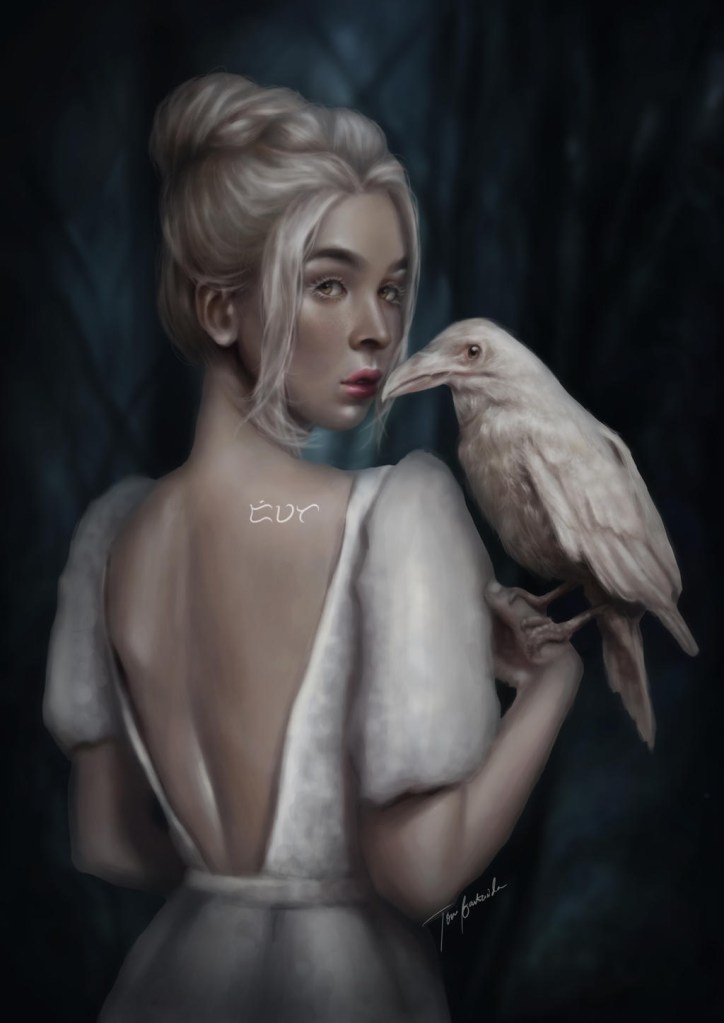
And while I’m at it, here’s a painting of one entitled Diwata by onrie07:

Jurassic Lark

velociraptor
Velociraptor mongoliensis by Fred Wierum

Jurassic Lark

My nephew is into his dinosaurs,
And he’s digging up mem’ries lain buried since school,
(But still neatly sorted in synaptic drawers),
With all of those crazy-long names by their scores,
Though actu’ly some of them sounded so cool !
How should we say it ?  The textbooks display it
Phonetic’ly – tie-ran-oh-sore-us – of course !
So easy to get it, there’s no need to sweat it !
But sometime’s a wrong ’un would lodge in all twisty –
And once it gets in there, it’s part of our hist’ry.

For instance, how much we all loved Diplodocus,
And gave that third syllable all of our focus.
So never Diplodocus, that sounded odd-i-cus,
Plodding along with no hocus to poke us.
And don’t get me started on cow-pat-a-saurus –
Your patsy falls flat, see – just hear how we chorus
This heavyweight’s name is – by god – Brontosaurus !
As known in the bones of all schoolyards before us.
So pronto, restore us our sauropod’s nommus –
Don’t think you can plunder our thunderbeast from us !

Which brings us around to the Puh-terodactyls –
To eight-year old boys they were neater than fractals !
We’d doubt they could flap much, but bet they soared high –
Though not dinosauruses…saur-iss-eez…saur-eye..?
Brackies and Plessies and Tritops abounded –
Though from diff’rent eras, so not all together –
They’re non-chronologicus, just to be clever.
We’d all love to fight for faves our faves for discussion
Like Dimetrodon, cos he sounded so Russian,
Or Archaeopt’ryx, with the bestest name ever.

And then there were the Trillobytes !
That’s how we called ’em in our local playground.
That’s how we called ’em, so that’s how they were –
And given a choice, then I’ll always prefer
Our primary version to t’other way round –
Brill-o-bites, thrill-o-bites, silly old Trillobytes,
Nobbly or spiky, or all armadillo-like !
Cambrian glamour to Permian quitters,
Those three-lobal, pan-global, crystal-eyed critters –
Heroic, and stoic, and Palaeozoic !

My nephew is into his dinosaurs,
But the toys have come on some since I was a lad
With the latest researching reflected, of course,
But the loss of those classic mistakes makes me sad –
Take Stegosaurus, in Lego or plastic,
It now looks fantastic, with tail held-up high –
But I’m far too au fait to its droopy behind,
With a second bum-brain (that we no longer find).
But I guess I can’t really complain that we’re wiser –
And hey, it’s still sporting a prize thagomizer !

But what of the T-rex, the king of the chompers ?
I see that he still bears him his stubby front arms,
But they’re no longer pronate – fergeddaboutit !
Cos my nephew informs me their bones will not fit,
So they turn-in their palms, like they’re waiting to clap.
And there’s vegan Iguanodon, slowest of stompers –
A ponderous chap with a Godzilla-stance ?
Forever a thumbs-up, the herbest of vores !
And yet now at a glance, he’s a boring old square,
When reduced to all-fours with his arse in the air !

If only we’d known of Velociraptor !
If only we’d known of the feathers and fuzz !
Ah well, I guess that we’ve moved on a chapter,
And I must adapt or I’ll end up extinct –
But I feel that old buzz, and I swear it’s because
Of the grin on my inner-twin child as he winked.
And I see Brontosaurus is back with a bang –
So that oughta well-learn ’em, don’t mess with this gang !
It’s time to return, but I’d best not get preachy –
I’ve much to catch-up, but my nephew can teach me.

A Ticket to Timbuktoo

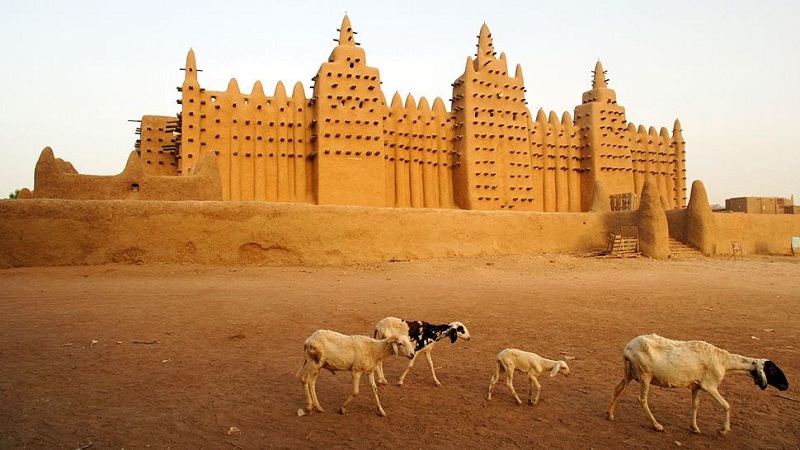
timbuktoo

A Ticket to Timbuktoo

To Timbuk-where ?
You know, down there.
I’m sorry, sir,
That does not stir
A memory –
It’s Greek to me.
You want a cot
For Timbuk-shot ?


No no, my man,
It’s on your plan.
That could be true.
I thought you knew ?
I’ve not a clue.
Well, check it, do !
I’m sure you crew
To Timbuktoo.

I’m sorry, sir
I shall concur
With your request
For Bucharest.
That’s wrong, I say !
Then fine, your way:
I’ll book you in
For Timbuk-skin.


No no, my man,
Not Kazakhstan.
I do not yearn
For Bannockburn.
It’s not Bordeaux
I wish to go,
But passage through
To Timbuktoo !

I’m sorry, sir,
Though some prefer
To take a tour
To Singapore.
But if you wish
For something swish,
I’ll book your booth
For Timbuk-tooth.


No no, my man,
It’s not Japan.
I never planned
For Samarkand.
It’s not Bombay,
Or Mandalay:
I’m telling you,
It’s Timbuktoo !

I’m sorry, sir,
I’ll just transfer
Your ticket out
Aboard the
Sprout
With cabin suite
To sunny Crete,
For steerage class
To Timbuk-pass.


No no, my man,
I do not tan:
I shall not brown
In Kingston Town,
Nor burn my flesh
In Marrakesh,
But drink the dew
In Timbuktoo.

I’m sorry, sir
Now, as we were:
We’re looking for
Some distant shore –
A pleasure cruise
To stem the blues,
And catch some sun
In Timbuk-one


No no, my man,
I know you can
Quite recommend
I try Ostend.
But truth to tell
I’d rather Hell
Than see Peru,
Not Timbuktoo.

I’m sorry, sir
It’s all a blur
You want a berth
To catch some surf
And land a-port
For g’day sport
And Bonza-brew
In Timbuk-roo ?


No no, my man,
It’s not Milan.
I do not care
For Delaware.
I shall not sail
For Ebbw Vale.
I long to view
Old Timbuktoo.

I’m sorry, sir,
I must demur:
We have no ship
To make that trip.
That city stands
On desert sands,
With no deep blue
At Timbuktoo.

Actually, The River Niger flows quite close to Timbuktu, though it’s unlikely you’ll get an ocean liner up there – but maybe you could paddle a canoe to Timbuktu.  But then, that has nothing to do with Timbuktoo, which is a mythical city of the imagination, twinned with El Dorado.

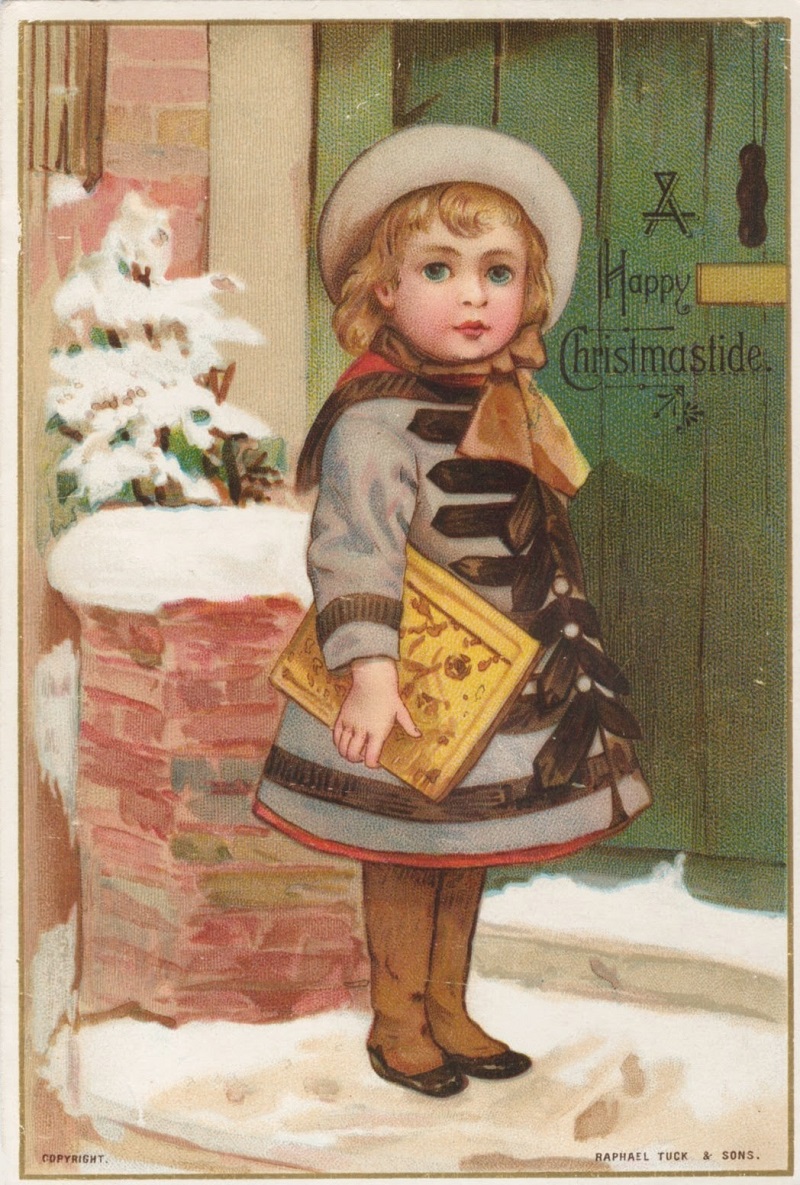
The True Meaning of Christmas

card

The True Meaning of Christmas

That moment children weigh the facts,
And work them through with careful thought,
To ponder if he really acts
The way their parents always taught.
To question all authority
And realise we told them lies,
Then suss their top priority
Is not to let us know they’re wise.

Never try to hold them back,
But let them grow –
For when the story starts to crack
Don’t heap on shams to stem the flow,
But cheer them on to think it through –
For this shall be, by all that’s true,
In all the days we each shall live,
The greatest gift we’ll ever give.

That moment when they favour fact
Above a charming fairytale
That they still wish could be intact,
But know must come to no avail.
To question all authority
And not be swayed, is when they take
Their first step to maturity
That tells the honest from the fake.

Never try to hold them down,
But let them rise.
For buried in frustration’s frown
Are cogs and sparks and watching eyes.
So spur them on to think it straight,
To reason out and cogitate.
In all their days, this stands alone –
The greatest gift they’ll ever own.

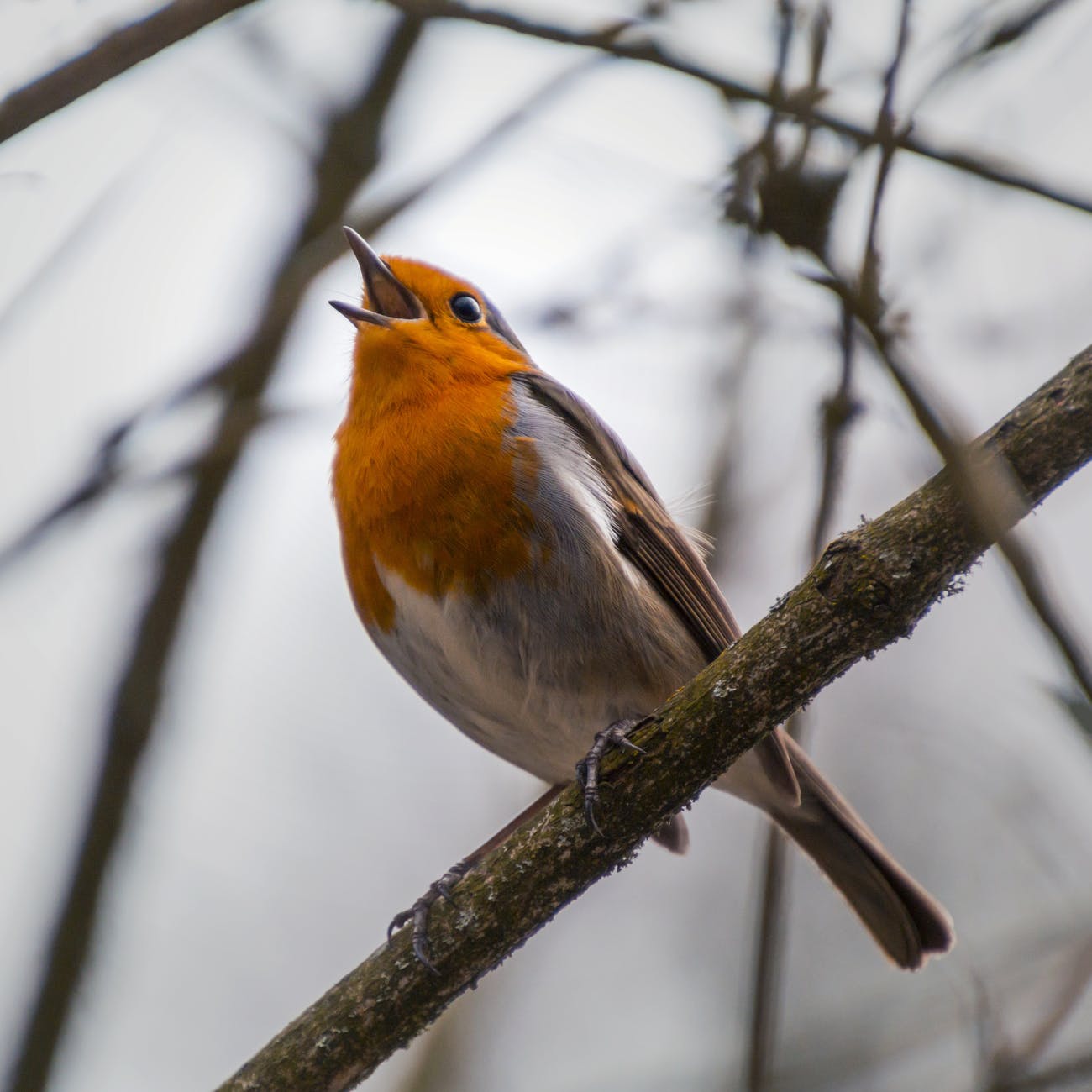
Red in Breast & Claw

animal avian beak bird
Photo by Pixabay on Pexels.com

Red in Breast & Claw

Who killed the redbreast ?
“I,”  said Cock Robin
“And I shall not be sobbing
For some robin.”


Why kill the redbreast ?
“He was in my garden
And that I cannot pardon.”

Said Cock Robin.

When died the redbreast ?
“When challenging what’s mine,
As I snapped his brittle spine.”

Said Cock Robin.

How died the redbreast ?
“Painfully, you’ll note
As I gourged his ruddy throat.”

Said Cock Robin.

Who mourns the redbreast ?
“I’ll sing out for his ghost,
Though I only sing to boast.”

Said Cock Robin.

Look !  A pretty redbreast
Is perching in our yard –
Just like a Christmas card,
Good Cock Robin.

Second-Hand Words

Photo by Pixabay on Pexels.com

Second-Hand Words

English has many a-loanword –
Absurd a-name, as if to suggest
(Despite how much they’ve grown so blurred
And settled-in, so you’d never have guessed)
The day may come when they must pack
And once-and-for-all be all given back.

French, please take the biscuit,
And Persian, fetch your cash,
Norse, collect your brisket
And Arabic, your sash.
Chinese, we have to unravel your silk,
And German, it’s time please to drink-up your milk.

Greek, fly out your planet,
And Spanish, kill your roach,
Italian, shift granite,
And Hungarian, take coach.
Tongan, please, release taboo,
(Though we’ll never shift Tahitian tattoo).

So Hebrew, take Israeli, then,
And Dutch, stop pushing foist.
And Latin – now an alien
With all your words unvoiced.
We hand them back all bent-up and slurred,
And full of…thingy…you know…oh, what’s the word ?

The Advent Carol

advent

The Advent Carol

Who’s behind the first door ?
The solstice is behind the first,
The time the winter Sun is at his least.

Who’s behind the second door ?
The Sun again – the Sun reborn,
Who ushers in the great Midwinter feast.

Who’s behind the third door ?
The Holly and the Ivy are,
The evergreens who never drop their cloaks.

Who’s behind the fourth door ?
The Mistletoe ! The Mistletoe !
The green and living soul of sleeping oaks.

Day-by-day, let us remember –
These are the days of December.

Who’s behind the fifth door ?
Osiris, Mithra, Herakles,
And Zarathustra – age-old gods and myths.

Who’s behind the sixth door ?
The same Gods and their Virgin Births –
And each is born upon the 25th

Who’s behind the seventh door ?
The ancient and be-sandal’d Greeks,
Engaged in boozy Bacchanalia.

Who’s behind the eighth door ?
The ancient Roman copycats,
Engaged in likewise Saturnalia.

Day-by-day, let us remember –
These are the days of December.

Who’s behind the ninth door ?
It’s Nicholas, the bishop-saint
Who secretly leaves presents for the poor.

Who’s behind the tenth door ?
White of beard and furred of robe –
It’s Odin ! God of gifts and God of war.

Who’s behind the eleventh door ?
It’s Yuletide, when the Wild Hunt charges,
Through the sky and through the feasting halls.

Who’s behind the twelfth door ?
That’s Sleipnir, Odin’s flying steed,
Who lets him drop down chimneys when he calls.

Day-by-day, let us remember –
These are the days of December.

Who’s behind the thirteenth door ?
It’s Father Christmas, dressed in green,
While feasting heartily and draining beer.

Who’s behind the fourteenth door ?
Dasher, Dancer, Thomas Nast,
To bring about the reigning of the reindeer.

Who’s behind the fifteenth door?
The Ghosts of Dickens’ Christmas show
That even bustling London has its pause.

Who’s behind the sixteenth door ?
It’s Haddon Sundblom, illustrator,
Painting Coca-Cola’s Santa Claus.

Day-by-day, let us remember –
These are the days of December.

Who’s behind the seventeenth door ?
It’s Prince Albert’s Tannenbaum –
He’s bringing back the good old Christmas Tree.

Who’s behind the eighteenth door ?
It’s lots and lots of Christmas Cards,
Showing scenes of seasonality.

Who’s behind the nineteenth door ?
It’s Oxford Street illuminations,
Well-dressed window-shopping costs us nothing.

Who’s behind the twentieth door ?
A Turkey ! Waiting for the chop
With roasties, Yorkshires, bread sauce, sprouts, and stuffing !

Day-by-day, let us remember –
These are the days of December.

Who’s behind the twenty-first door ?
It’s robin redbreasts in the snow –
Though never three together, as a rule.

Who’s behind the twenty-second door ?
A Crib from a Nativity,
As seen on stage in ev’ry prim’ry school.

Who’s behind the twenty-third door ?
Her Majesty, with speech in hand,
Addressing all the little folks to carry on.

Who’s behind the twenty-fourth door ?
It’s Christmas Number One ! Our song !
We know the words, so once more sing along:

Day-by-day, let us remember –
These are the days of December.

And finally, the twenty-fifth,
So open up and see –
Why look, it’s Mum and Dad, and Gran,
And You, and You, and Me.

The Haunted Schoolyard

black wooden door frame
Photo by ramy Kabalan on Pexels.com

The Haunted Schoolyard

We’ve all heard the stories in the school lunch-queue,
Every village has its ghost or two –
Headless horsemen, women in white…
’Course, we don’t believe you, and you’re just kidding, right ?

Witches had a presence – there was always one around,
But werewolves and vampires, were rarely ever found.
We knew them from the telly, sure – a terrifying throng,
Yet somehow in the villages they didn’t quite belong.

And then there was that weird guy who hardly ever spoke,
Since ever since he’d lived alone, and never smiled at folk,
And his house was full of boxes full of empty snail shells,
And it made these funny noises, and sometimes funny smells.

The heroes of the playground were the locals who won’t rot –
The strangled and the drowned and the poisoned and the shot.
Spirits of our neighbours – though they’re long since dead and gone –
Except, of course, they’re not.  They’re out there.  Pass it on.